
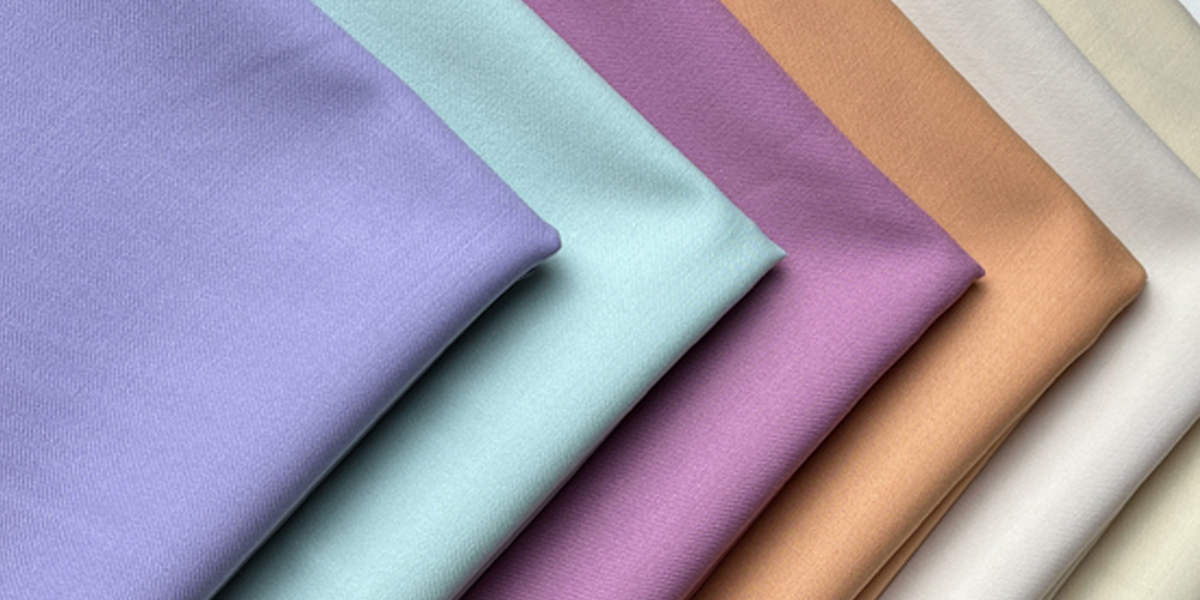
Understanding weaving patterns transforms how we approach suits fabric design. Twill weaves suits fabric, known for durability and diagonal texture, outperforms plain weaves in CDL mean values (48.28 vs. 15.04). Herringbone suits fabric adds elegance with its zigzag structure, making patterned suits fabric visually appealing. Birdseye weave, subtle yet sophisticated, enriches plaid suits fabric with intricate details.
Key Takeaways
- Twill weave is the base for patterned suit fabrics. It is strong, smooth, and resists wrinkles. It also hangs nicely, great for fitted clothes.
- Herringbone weave has a zigzag design that looks fancy. It is strong and stylish, perfect for dressy events.
- Birdseye weave has tiny dots for a classy look. It is soft, airy, and useful for work clothes or accessories.
Twill Weaves: The Foundation of Patterned Suits Fabric
Defining Twill Weave
Twill weave is one of the most recognizable and versatile weaving techniques in the textile industry. It is defined by its diagonal rib pattern, which is created by passing the weft thread over one or more warp threads and then under two or more warp threads in a repeating sequence. This structure gives twill its signature diagonal lines, which can vary in angle and prominence depending on the weave’s tightness and thread count.
Unlike plain weaves, twill weaves are less prone to wrinkling and offer a smoother texture. This makes them a preferred choice for creating durable and visually appealing fabrics. In patterned suits fabric, twill serves as the foundation for many intricate designs, providing both strength and style.
Tip: If you’ve ever admired the subtle diagonal lines on a pair of jeans or a tailored suit, you’ve already encountered the beauty of twill weave.
Characteristics of Twill Weave
Twill weave stands out for its unique combination of durability, flexibility, and aesthetic appeal. Here are some of its key characteristics:
- Durability: The interlaced structure of twill makes it stronger than plain weaves. This is why it’s often used in high-stress applications.
- Flexibility: Twill fabrics drape well, making them ideal for garments that require a tailored fit.
- Texture and Appearance: The diagonal lines add a dynamic visual element, enhancing the fabric’s overall appeal.
- Resistance to Wrinkles: Twill fabrics are less likely to crease, maintaining a polished look throughout the day.
The Woven Wire Cloth Market report highlights that twill weave offers superior strength and flexibility compared to plain weave. This quality makes it indispensable in industries like automotive and aerospace, where materials must withstand significant stress.
Applications in Patterned Suits Fabric
Twill weave plays a pivotal role in the world of patterned suits fabric. Its durability and aesthetic versatility make it a go-to choice for designers and manufacturers. Here’s how it’s used:
- Foundation for Patterns: Twill serves as the base for creating intricate patterns like herringbone and birdseye. Its diagonal structure adds depth and dimension to these designs.
- Enhanced Durability: Suits made with twill weave fabrics are built to last, making them ideal for both formal and everyday wear.
- Market Demand: The Global Cotton Warp-faced Twill Denim Market report projects significant growth, with revenue expected to reach USD 15.2 billion by 2033. This reflects the enduring popularity and quality of twill weaves in textiles.
In patterned suits fabric, twill’s ability to combine strength with style ensures it remains a staple. Whether you’re looking for a classic business suit or a more casual ensemble, twill weave fabrics offer unmatched versatility.
Herringbone: The Iconic Zigzag in Patterned Suits Fabric
Defining Herringbone Weave
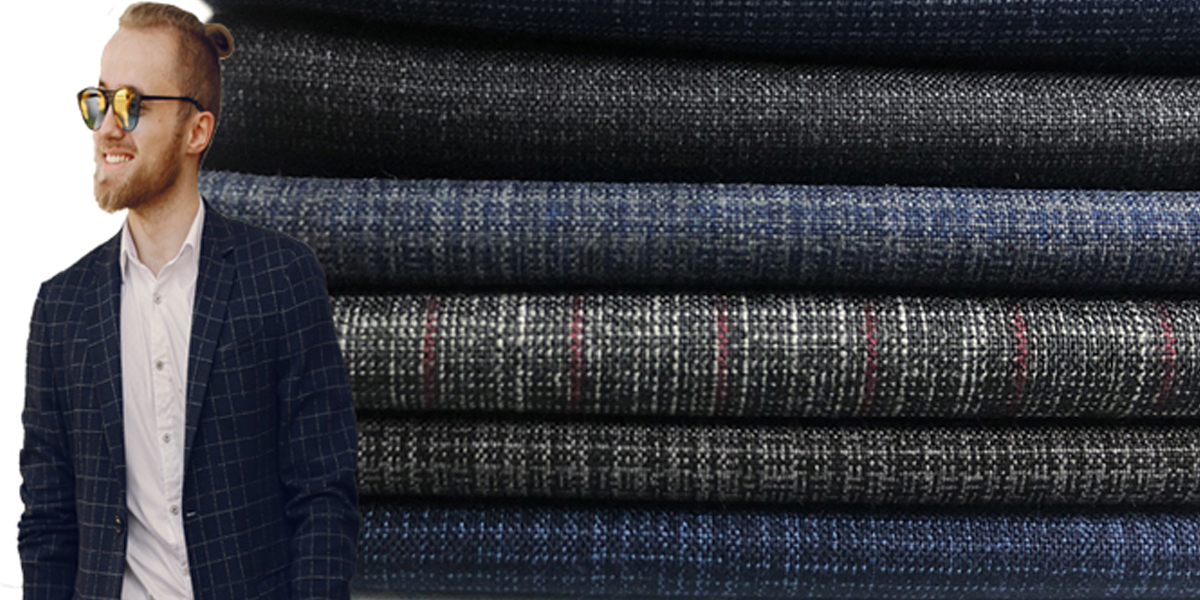
Herringbone weave stands out for its distinctive zigzag pattern, resembling the skeleton of a herring fish. This weave alternates diagonal rows, creating a visually striking design that combines symmetry with movement. Unlike plain or twill weaves, herringbone achieves its unique look by reversing the direction of the diagonal lines at regular intervals. This reversal gives the fabric its characteristic “broken twill” appearance.
The origins of herringbone weave trace back to early medieval textiles. Researchers have noted that early examples of 2/2 herringbone twill fabrics predominantly used z/z yarn twists. By the eleventh and twelfth centuries, advancements in textile production introduced z/s twists, showcasing the evolution of weaving techniques over time.
Characteristics of Herringbone Weave
Herringbone weave offers a blend of aesthetic appeal and functional benefits. Its key characteristics include:
- Visual Texture: The zigzag pattern adds depth and sophistication to fabrics, making it ideal for formal wear.
- Durability: The alternating diagonal structure enhances the fabric’s strength, ensuring longevity.
- Versatility: Herringbone adapts well to various materials, from wool to cotton, allowing for diverse applications.
This weave also resists wear and tear, making it a reliable choice for patterned suits fabric.
Practical Applications in Textiles
Herringbone weave plays a pivotal role in fashion and interior design. In patterned suits fabric, it adds a touch of elegance to jackets and trousers, making them suitable for business and formal occasions. Designers also use herringbone in upholstery and accessories, where its durability and visual appeal shine.
Whether crafting tailored suits or home décor, herringbone weave remains a timeless choice for combining style with substance.
Birdseye: The Subtle Elegance of Patterned Suits Fabric
Defining Birdseye Weave
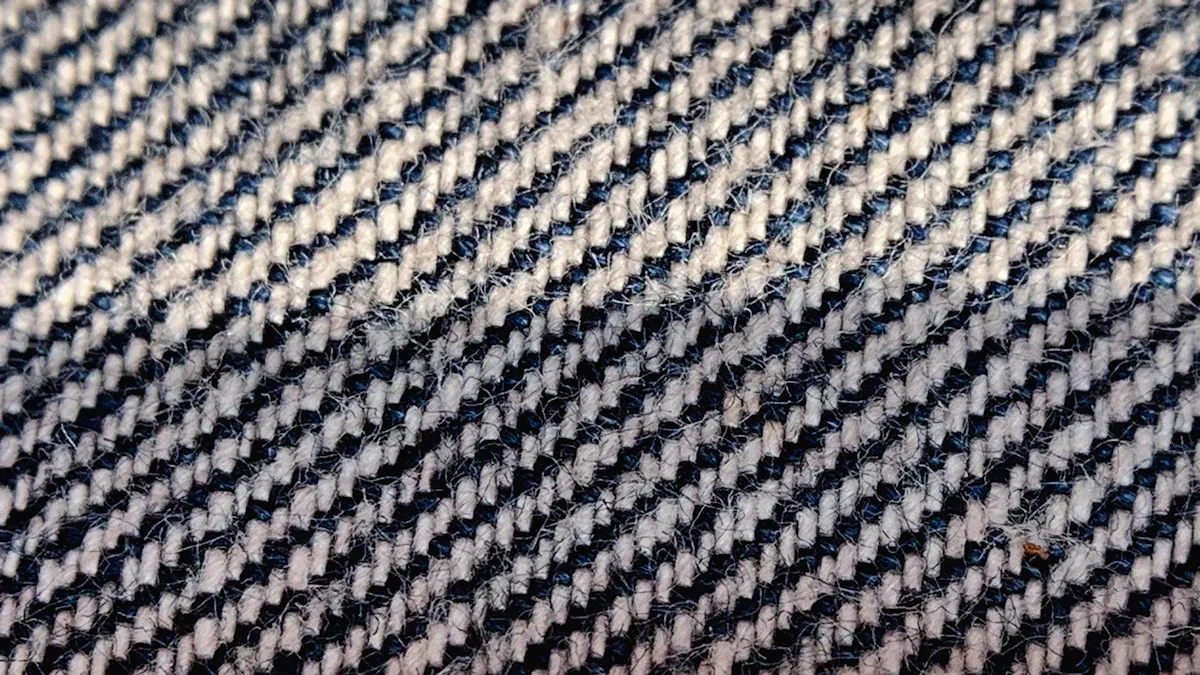
Birdseye weave stands out for its understated yet intricate design. I often describe it as a fabric that whispers sophistication rather than shouting it. This weave features small, diamond-shaped patterns with a dot at the center, resembling the eye of a bird—hence the name. The design emerges from a unique weaving technique where the warp and weft threads alternate to create the dotted effect.
Historically, birdseye weave gained popularity for its ability to add texture without overwhelming the fabric. Its subtle elegance makes it a favorite among designers who value refinement over boldness.
Note: If you’ve ever admired a suit with a delicate dotted texture, chances are you’ve encountered birdseye weave.
Characteristics of Birdseye Weave
Birdseye weave combines visual appeal with practical benefits. Here are its defining traits:
- Subtle Texture: The dotted pattern adds depth without overpowering the fabric’s overall look.
- Softness: Fabrics made with birdseye weave often feel smooth and comfortable against the skin.
- Breathability: The weave’s structure allows air circulation, making it ideal for warm climates.
- Versatility: Birdseye adapts well to various materials, including wool and cotton.
This weave’s ability to balance aesthetics with functionality makes it a staple in patterned suits fabric.
Applications in Fashion and Design
Birdseye weave shines in both fashion and interior design. In patterned suits fabric, it’s often used for creating elegant yet understated suits that exude professionalism. I’ve seen it frequently in business attire, where its subtle texture complements formal settings.
Designers also use birdseye weave in accessories like ties and pocket squares, adding a touch of sophistication to smaller details. Beyond fashion, this weave finds its way into upholstery and curtains, where its durability and visual charm enhance interior spaces.
Whether crafting a tailored suit or designing a cozy living room, birdseye weave offers a timeless option for those who appreciate subtle elegance.
Comparing Herringbone, Birdseye & Twill
Key Differences Between the Patterns
When comparing herringbone, birdseye, and twill, their unique visual and structural characteristics stand out. Each weave has a distinct identity that influences its application and appeal.
- Herringbone: This weave is defined by its zigzag pattern, created by reversing the diagonal lines of a twill weave. It offers a bold, textured look that works well for formal and semi-formal attire.
- Birdseye: Unlike herringbone, birdseye weave features small, diamond-shaped patterns with a central dot. Its subtle texture adds sophistication without drawing too much attention.
- Twill: Twill weave is the foundation of both herringbone and birdseye. Its diagonal ribbing provides strength and flexibility, making it a versatile choice for various designs.
Pro Tip: If you’re looking for a weave that makes a statement, herringbone is your best bet. For understated elegance, birdseye is the way to go. Twill, on the other hand, is perfect for those who value durability and versatility.
Here’s a quick comparison table to summarize their differences:
| Feature | Herringbone | Birdseye | Twill |
|---|---|---|---|
| Visual Pattern | Zigzag | Dotted diamonds | Diagonal ribs |
| Texture | Bold and dynamic | Subtle and refined | Smooth and versatile |
| Best Use | Formal wear | Business attire | Everyday and formal |
Similarities in Functionality and Appeal
Despite their differences, these weaves share several functional and aesthetic qualities. All three are staples in the world of patterned suits fabric, offering a blend of style and practicality.
- Durability: Each weave is designed to withstand wear and tear, ensuring longevity in garments.
- Versatility: Whether used in suits, jackets, or accessories, these weaves adapt well to various materials like wool and cotton.
- Timeless Appeal: Their classic designs have stood the test of time, making them perennial favorites in fashion.
I’ve noticed that these weaves also excel in balancing form and function. They provide the strength needed for everyday wear while maintaining a polished appearance suitable for formal settings.
Note: The adaptability of these weaves makes them ideal for both traditional and modern designs. Whether you prefer bold patterns or subtle textures, there’s a weave to match your style.
Choosing the Right Pattern for Your Needs
Selecting the right weave depends on your priorities and the occasion. Here’s how I approach the decision:
- Consider the Occasion: For formal events, herringbone’s bold pattern adds a touch of sophistication. Birdseye’s subtle elegance works well for business settings, while twill’s versatility suits both casual and formal wear.
- Think About Durability: If you need a fabric that can handle frequent use, twill is the most durable option. Herringbone and birdseye also offer strength but lean more toward aesthetic appeal.
- Match Your Style: Your personal style plays a significant role. Herringbone suits those who enjoy bold patterns, birdseye appeals to minimalists, and twill caters to those who value simplicity and functionality.
Final Thought: Understanding the unique qualities of each weave helps you make informed choices. Whether you’re designing a suit or selecting fabric for a project, these weaves offer something for everyone.
Herringbone, birdseye, and twill weaves each bring unique strengths to textiles. Twill offers durability and versatility, herringbone adds bold elegance, and birdseye delivers subtle sophistication. These patterns shape timeless designs that balance style and function. I encourage you to experiment with these weaves to create fabrics that reflect your vision and creativity.
FAQ
What makes twill weave ideal for patterned suits fabric?
Twill weave offers durability, flexibility, and a smooth texture. Its diagonal ribbing enhances the fabric’s strength and visual appeal, making it perfect for patterned suits fabric.
How does herringbone differ from other weaves?
Herringbone features a zigzag pattern created by reversing diagonal lines. This unique design adds boldness and sophistication, setting it apart from simpler weaves like twill.
Is birdseye weave suitable for formal wear?
Yes, birdseye weave works well for formal wear. Its subtle dotted texture adds understated elegance, making it a popular choice for business suits and accessories.
Post time: Jun-03-2025