
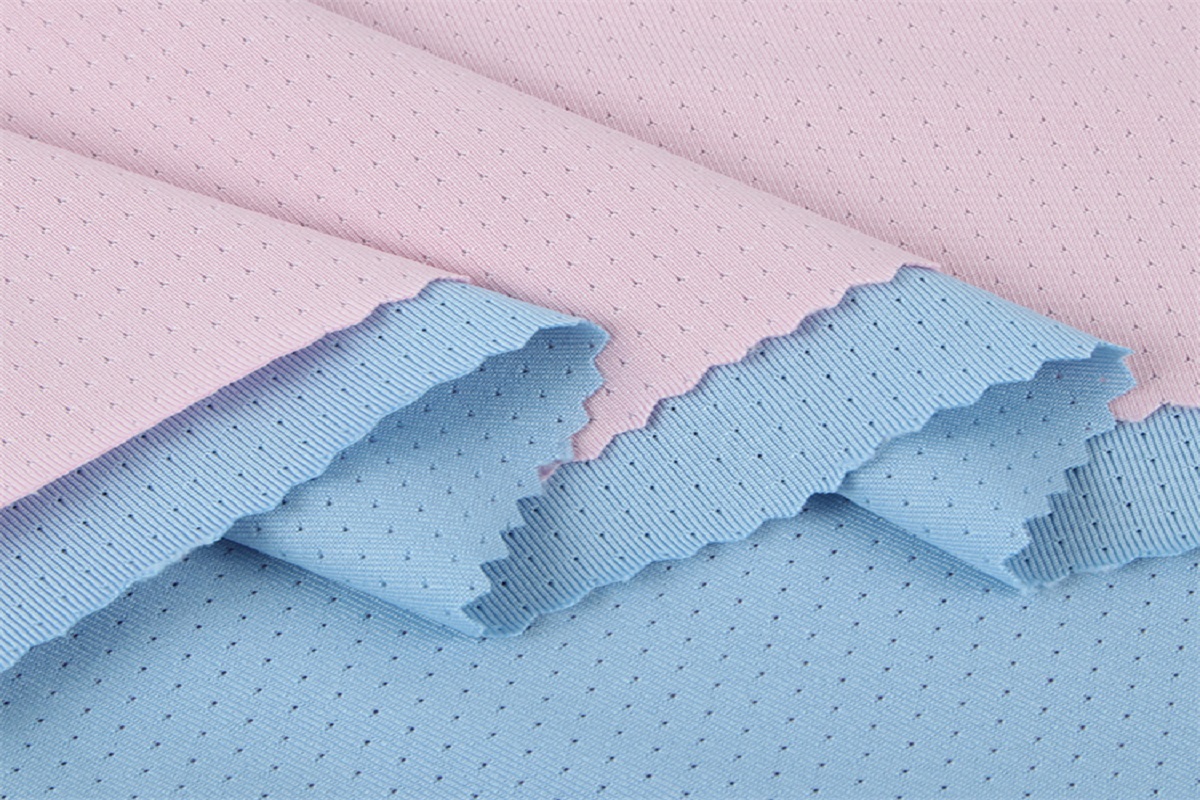
Where Polyester Spandex Fabric Fits
Navigating the complex textile market for polyester spandex fabric requires finding materials that balance durability with elasticity. This synthetic blend is a foundational component in modern apparel manufacturing, offering versatile stretch and recovery properties that natural fibers often struggle to match in high-performance applications. (Note: All percentages, GSM ranges, MOQs, lead times, and payment terms provided in this guide are illustrative industry ranges that vary by supplier, region, and order type.)
What Polyester Spandex Fabric Means
At its core, polyester spandex fabric combines the robust, moisture-wicking characteristics of polyester with the exceptional elasticity of spandex (also known generically as elastane). Standard all-purpose commercial formulations typically range from 85% to 95% polyester, with the remaining 5% to 15% dedicated to spandex. Specialized performance and compression grades often feature higher elastane content. The fiber blend ratio governs the raw elasticity and durability of the yarn. Independently, fabric construction methods—such as circular knit, interlock, warp knit, or weft insertion—dictate the directionality of the stretch and the material’s structural stability.
Polyester fibers provide high tensile strength, abrasion resistance, and rapid drying times, while elastane filaments ensure the material stretches significantly without permanent deformation. Bare spandex filaments can stretch up to 500% of their original length, but realistic stretch ranges for finished blends typically fall between 50% and 200%. The combination of spandex content and knit structure ensures excellent elastic recovery, making these blends indispensable for form-fitting garments.
Common End Uses and Blend Choices
The specific fiber blend directly dictates the fabric’s suitability for various end uses. Activewear, swimwear, and athleisure markets consume the vast majority of this material, but the structural requirements differ significantly across these categories. High-compression garments demand a higher percentage of spandex to maintain shape and provide muscular support, whereas lightweight tops require minimal elastane just to offer a comfortable drape. It is helpful to note that higher spandex content increases material costs, dyeing difficulty, and sewing challenges, while also making the fabric more susceptible to chlorine and UV degradation.
| End Use Category | Recommended Spandex % | Typical Weight (GSM) | Stretch Requirement |
|---|---|---|---|
| Professional Swimwear | 15% – 22% | 180 – 220 | 4-Way Stretch |
| Compression Leggings | 18% – 25% | 250 – 320 | 4-Way Stretch |
| Performance T-Shirts | 5% – 8% | 130 – 180 | 2-Way Stretch |
| Outerwear Linings | 2% – 5% | 90 – 120 | Mechanical 2-Way |
(Note: The recommended spandex percentages, GSM ranges, and stretch requirements listed above vary by supplier, region, and intended performance level.)
Key Specifications Buyers Should Compare

Evaluating polyester spandex fabric requires strict attention to technical specifications. Moving beyond basic aesthetic appraisals to review comprehensive laboratory testing data ensures the material performs reliably under stress, washing, and prolonged exposure to environmental factors.
Performance Criteria to Review
The most critical performance criteria include fabric weight, expressed in Grams per Square Meter (GSM), and stretch dynamics. GSM acts as a primary indicator of opacity, warmth, and structural density. Furthermore, specifying whether a project requires 2-way stretch (horizontal elasticity) or 4-way stretch (horizontal and vertical elasticity) is essential. True 4-way stretch is not simply spandex woven in multiple directions; rather, it requires elasticity in both the wale and course directions of a knit, a feature heavily influenced by the fabric’s mechanical construction.
Colorfastness is another critical metric, particularly for athletic apparel exposed to sweat, chlorine, and UV light. A colorfastness rating of 4.0 or higher on the standard AATCC scale is generally recommended. However, this should be evaluated across specific test conditions—such as dry versus wet crocking, number of wash cycles, and acid versus alkaline perspiration—since a single score does not apply uniformly to every environmental stressor.
Quality Risks and Testing Standards
Quality control failures in high-stretch synthetic fabrics often manifest as pilling, excessive shrinkage, or transparency issues. It is important to note that pilling and shrinkage depend heavily on yarn quality and finishing processes, not just standard test grades. Pilling resistance is often tested according to ISO 12945-2 standards (specifying the number of test cycles, such as 2,000 rubs), with commercial-grade fabrics typically achieving a minimum grade of 4. Dimensional stability is equally vital; acceptable shrinkage tolerances generally remain under 3% to 5% after a specified number of industrial wash cycles.
For lower-body garments like leggings or athletic shorts, the fabric must pass rigorous opacity testing. Commonly referred to in the industry as the “squat test,” this evaluation is not a formally standardized 150% stretch test but rather a common industry opacity check. Defining specific stretch percentages and lighting conditions for testing helps ensure the material does not become sheer during high-mobility activities, protecting the end-user’s privacy.
How to Source Polyester Spandex Fabric
Sourcing high-quality textiles involves more than identifying competitive pricing. Establishing a robust supply chain for polyester spandex blends involves rigorous supplier vetting, comprehensive sampling protocols, and strategic negotiation of commercial terms to mitigate production risks.
Supplier Verification and Sample Checks
Before committing to bulk orders, executing a structured verification process is highly recommended. This begins by requesting physical yardage samples. While 3 to 5 meters might suffice for basic visual checks, independent testing houses and garment prototyping typically require 10 to 20 meters of full-width yardage. A practical buying workflow includes comparing fabric cards, reviewing formal lab test reports, approving a pre-production sample (PPS), and confirming lot-to-lot consistency. It is also important to clarify practical logistics and industry terms with the supplier:
- Cuttable width: The usable width of the fabric, excluding the selvedge edges.
- Lab-dips: Small color swatches dyed by the lab for buyer approval before bulk dyeing.
- Shade-banding: The process of grouping fabric rolls by slight color variations to ensure consistency within a single garment.
Suppliers can often provide current documentation for standards like the OEKO-TEX Standard 100, which guarantees the fabric is free from harmful substances, or the Global Recycled Standard (GRS) if sourcing sustainable rPET blends.
Key Takeaways
- Choose the spandex percentage according to end use, with lightweight tops often needing 5% to 8% and compression or swimwear commonly requiring 15% to 25%.
- Compare GSM before purchasing, since performance T-shirts may use 130 to 180 GSM while compression leggings often require 250 to 320 GSM.
- Request lab test data for stretch recovery, shrinkage, colorfastness, and pilling resistance before approving bulk polyester spandex fabric.
- Select 4-way stretch for fitted activewear, swimwear, and compression garments, but consider 2-way stretch for linings and less demanding apparel.
- Account for the trade-offs of higher spandex content, including higher cost, more difficult dyeing, sewing challenges, and reduced resistance to chlorine or UV exposure.
Frequently Asked Questions
What is polyester spandex fabric best used for?
It is widely used for activewear, swimwear, leggings, compression garments, athleisure, performance tops, and stretch linings because it combines polyester durability with spandex elasticity and recovery.
What polyester and spandex blend ratio should I choose?
General-purpose fabrics often use 85% to 95% polyester with 5% to 15% spandex, while swimwear and compression apparel may need 15% to 25% spandex for stronger stretch and support.
What GSM is suitable for leggings or compression wear?
Compression leggings typically fall around 250 to 320 GSM, depending on opacity, support level, and end use. Always confirm stretch recovery, shrinkage, and hand feel before bulk ordering.
Is 4-way stretch necessary for polyester spandex fabric?
Four-way stretch is important for swimwear, leggings, and tight performance garments. Two-way stretch may be enough for lightweight tops, linings, or styles that need comfort rather than compression.
What should buyers check before placing a bulk order?
Review GSM, spandex percentage, stretch and recovery, colorfastness, shrinkage, pilling resistance, construction type, certifications, sample quality, MOQ, lead time, and payment terms.

Yunai Textile
Post time: Jul-22-2026