
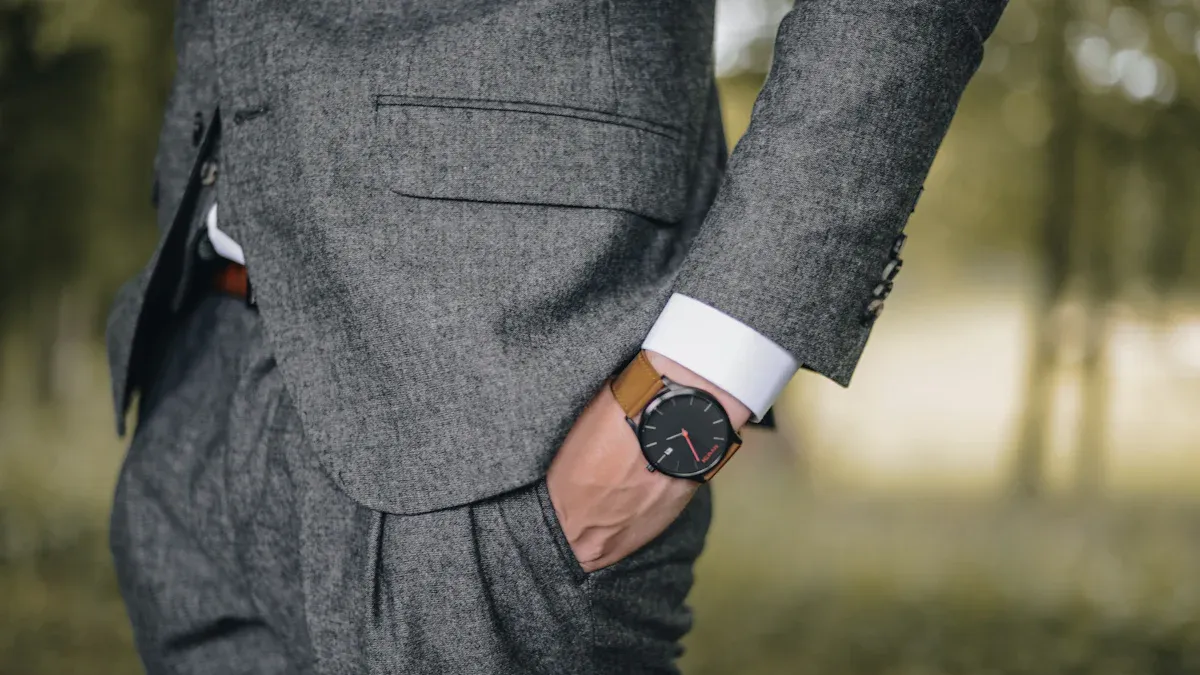
When I compare Polyester Viscose vs. Wool for suits, I notice key differences. Many buyers pick wool for its natural breathability, soft drape, and timeless style. I see that wool vs TR suit fabric choices often come down to comfort, durability, and appearance. For those starting out, the best suit fabric for beginners sometimes means choosing polyester viscose suit fabric for easy care. When I help clients select custom suit fabric, I always weigh wool vs synthetic suit fabric options based on their needs.
- Buyers often prefer wool because:
- It breathes better and absorbs moisture.
- It looks sophisticated and lasts longer.
- It is biodegradable and suits all seasons.
Key Takeaways
- Wool suits offer natural breathability, long-lasting comfort, and classic elegance, making them ideal for formal events and year-round wear.
- Polyester viscose (TR) suits provide an affordable, easy-care option with good durability and wrinkle resistance, perfect for everyday office use and mild climates.
- Choose wool for a sustainable, high-quality investment that ages well; pick TR fabric for budget-friendly style and low-maintenance convenience.
Key Characteristics of Polyester Viscose (TR) Fabrics
Appearance and Texture
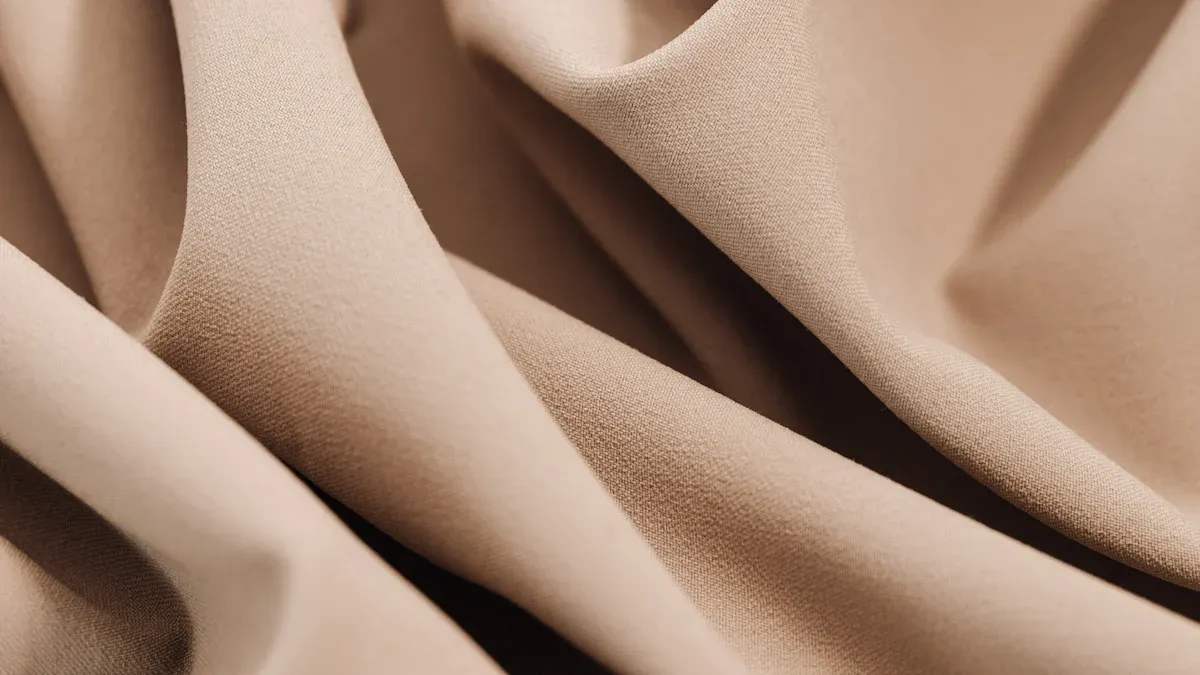
When I examine polyester viscose (TR) suit fabrics, I notice a blend of softness and durability. The fabric usually contains about 60% viscose and 40% polyester. I find that this combination gives the material a smooth, silky hand-feel and a lustrous finish that looks almost like silk. The table below highlights the main visual and tactile features:
| Characteristic | Description |
|---|---|
| Material Blend | 60% Viscose, 40% Polyester, combining softness and durability |
| Weight | Medium weight (~90gsm), balancing lightweight feel with enough structure for suits |
| Texture | Soft, smooth, silky hand-feel with excellent draping qualities |
| Visual Appearance | Lustrous finish mimicking silk, available in various patterns |
| Breathability | About 20% more breathable than standard polyester linings |
| Anti-Static | Reduces static cling, enhancing comfort |
| Durability | Durable woven construction, lasting longer than non-woven alternatives |
Breathability and Comfort
I often recommend TR fabrics to clients who want comfort without sacrificing structure. The fabric feels soft against the skin and allows good air circulation. I find that it helps regulate temperature, so I do not overheat during long meetings.
Durability and Wrinkle Resistance
TR suits last longer than many wool blends. I have seen them keep about 95% of their strength after 200 wears. The fabric resists wrinkles better than wool but not as well as pure polyester. I notice that it holds its shape well, even after frequent use.
Maintenance and Care
Tip: I always follow these steps to keep my TR suits looking sharp:
- Machine wash in cold water on a gentle cycle.
- Avoid bleach and harsh detergents.
- Dry on low heat or air dry.
- Dry clean when needed, telling the cleaner about the synthetic blend.
- Iron on low, using a cloth between the iron and fabric.
- Store on padded hangers.
- Wash only after 3-4 wears unless stained.
Cost and Affordability
TR suits offer great value. I see fabric prices as low as $3.50 per meter for moderate orders. This makes them an affordable choice for buyers who want style on a budget.
Environmental Impact
I recognize that TR fabrics have a higher environmental impact than wool. Polyester production uses a lot of energy and water, releasing significant carbon emissions and microplastics. While viscose can save water compared to other synthetics, the overall footprint of TR fabric remains high due to the polyester content.
Key Characteristics of Wool Suit Fabrics
Appearance and Texture
When I touch a wool suit, I notice its luxurious, smooth feel. Wool fabrics drape elegantly and show a refined texture. I often see classic weaves like worsted, twill, or herringbone. Compared to synthetic blends, wool always feels softer and more comfortable. Here is a quick comparison:
| Feature | Wool Suit Fabrics | Synthetic Blends |
|---|---|---|
| Feel/Texture | Luxurious, smooth, refined | Less soft, less refined |
| Appearance | Classic, elegant, versatile | Practical, mimics wool but less elegant |
Breathability and Comfort
Wool suits keep me comfortable in many settings. The natural fibers allow air to flow and wick away moisture. I stay cool in warm rooms and warm in cooler weather. Synthetic blends can feel less breathable and sometimes less comfortable.
Durability and Longevity
I find that wool suits last for years when I care for them properly. Regular brushing, spot cleaning, and letting the suit rest between wears help maintain its shape and quality. I rotate my suits and avoid frequent dry cleaning, which keeps the fabric strong and looking new.
Maintenance and Care
Tip: I always follow these steps for wool suit care:
- Dry clean every 3 to 4 wears.
- Spot clean small stains with mild detergent.
- Brush regularly to remove dust.
- Hang on wide, sturdy hangers.
- Store in breathable garment bags.
- Steam to remove wrinkles.
Cost and Value
Wool suits cost more than synthetic options, but I see them as an investment. The quality, comfort, and long lifespan make the higher price worth it for me.
Environmental Impact
Wool is a natural, biodegradable fiber. I choose wool when I want a suit that is better for the environment and made from renewable resources.
Wool vs TR Suit Fabric: Cost, Comfort, and Durability Comparison
Price Differences
When I help clients choose between wool and TR suit fabrics, I always start with price. Wool suits usually cost more than TR suits. The price of a good wool suit often reflects the quality of the raw material and the craftsmanship. I see wool suits starting at a higher price point, sometimes double or triple the cost of a polyester viscose (TR) suit. TR suits, on the other hand, offer a budget-friendly option. Many buyers find TR suits affordable, especially when they need several suits for work or travel. I recommend TR suits for those who want style without a big investment.
| Fabric Type | Typical Price Range (USD) | Value for Money |
|---|---|---|
| Wool | $300 – $1000+ | High, due to longevity |
| TR (Polyester Viscose) | $80 – $300 | Excellent for budget |
Note: Wool suits cost more upfront, but their long lifespan can make them a smart investment over time.
Comfort in Daily Wear
Comfort matters most when I wear a suit all day. Wool vs TR suit fabric choices affect how I feel in different settings. Wool suits keep me comfortable in both hot and cold weather. The natural fibers breathe well and wick away moisture. I never feel too hot or too cold in a wool suit. TR suits feel smooth and lightweight. The viscose in TR fabric allows some air to flow, so I do not overheat in mild weather. However, I notice that TR suits can feel less comfortable in extreme heat or cold. Sometimes, I sweat more in a TR suit during summer or feel chilly in winter.
Here is a quick comparison of comfort and breathability:
| Fabric Type | Comfort and Breathability Characteristics |
|---|---|
| Wool | Highly breathable, moisture-wicking, comfortable in extreme warm or cold weather, natural fibers allow air flow to regulate temperature and prevent moisture build-up. |
| TR (Polyester Viscose) | Smooth surface, soft feel, lightweight, breathable due to viscose, but less effective in extreme temperatures. |
- Wool suits work best for long meetings, travel, and formal events.
- TR suits feel good for short office days or moderate climates.
Tip: If you want a suit for year-round comfort, I suggest wool. For a lightweight, easy-care option, TR fabric works well in mild conditions.
How Each Fabric Ages Over Time
I always look at how a suit fabric holds up after months or years of wear. Wool vs TR suit fabric choices show clear differences in aging. Wool suits keep their shape and color for many years if I care for them properly. I brush my wool suits and let them rest between wears. They resist pilling and rarely lose their elegant look. TR suits resist wrinkles and stains, which makes them easy to maintain. However, after many washes or wears, I notice that TR fabric can start to look shiny or thin. The fibers may break down faster than wool, especially with frequent machine washing.
- Wool suits age gracefully and often look better with time.
- TR suits keep a crisp look at first but may show wear sooner.
Callout: I always remind buyers that wool suits can last a decade or more, while TR suits work best for short-term or high-rotation use.
Wool vs TR suit fabric decisions depend on what you value most: long-term elegance or short-term convenience.
Wool vs TR Suit Fabric: Ideal Occasions
Formal Events and Business Settings
When I attend formal events or work in a business setting, I always choose wool suits. Fashion experts call wool the king of suit fabrics. Wool looks refined and feels comfortable. It works well for weddings, funerals, and important meetings. I notice that heavier wool suits fit colder seasons and evening events, while lighter wool suits work for warmer days. TR suits can look sharp, but they do not match the elegance of wool in these settings.
Everyday Office Wear
For daily office wear, I see both wool and TR suits as good options. Wool suits give me a classic look and keep me comfortable all day. TR suits offer easy care and cost less, so I can wear them often without worry. I suggest TR suits for people who want to save money or need several suits for rotation.
Seasonal Suitability
Wool suits keep me warm in winter and cool in summer. The fabric breathes well and wicks away moisture. I find that TR suits work best in mild weather. They do not insulate as well as wool, but they feel light and comfortable in spring or fall.
Travel and Low-Maintenance Needs
When I travel, I want a suit that resists wrinkles and is easy to care for. I often pick wool-blend suits because they stay neat and pack well. Many travel suits use wrinkle-resistant wool blends for comfort and durability. TR suits also resist wrinkles, but wool blends give me better breathability and comfort during long trips.
Final Recommendations for Buyers
Pros and Cons Summary Table
I often help clients compare suit fabrics before making a purchase. The table below shows the main pros and cons for each option. This summary helps me explain the differences quickly.
| Feature | Wool Suits | TR (Polyester Viscose) Suits |
|---|---|---|
| Comfort | Excellent | Good |
| Breathability | High | Moderate |
| Durability | Long-lasting | Resistant to wrinkles |
| Maintenance | Needs dry cleaning | Easy to wash |
| Cost | Higher upfront | Budget-friendly |
| Environmental Impact | Biodegradable | Higher footprint |
| Appearance | Classic, elegant | Smooth, lustrous |
Tip: I always suggest reviewing this table before deciding which suit fabric fits your lifestyle.
Quick Decision Guide Based on User Needs
I use a simple checklist to guide buyers. This helps match their needs with the right fabric.
- If you want a suit for formal events or business meetings, I recommend wool.
- If you need a suit for everyday office wear and want easy care, TR suits work well.
- For buyers who value long-term investment and sustainability, wool suits offer the best choice.
- If you prefer a budget option or need several suits for rotation, TR suits provide good value.
- When you travel often and need wrinkle resistance, both wool blends and TR suits perform well.
I always remind clients that the Wool vs TR suit fabric decision depends on their priorities. I encourage everyone to consider comfort, cost, and how often they plan to wear the suit.
I always compare suit fabrics before buying. Here is a quick summary:
| Feature | Wool Suits | Polyester Viscose Suits |
|---|---|---|
| Comfort | Luxurious, breathable | Soft, durable, affordable |
| Care | Needs attention | Easy to maintain |
I choose based on my needs—quality, comfort, or budget. I recommend you do the same.
FAQ
Is wool always better than polyester viscose for suits?
I prefer wool for quality and comfort. Polyester viscose works well for budget and easy care. The best choice depends on your needs.
Can I machine wash a wool suit?
I never machine wash wool suits. I use dry cleaning or spot cleaning to protect the fabric and keep the suit looking sharp.
Which fabric is best for hot weather?
- I choose lightweight wool for breathability in summer.
- Polyester viscose feels light but does not cool as well as wool.
Post time: Aug-19-2025