
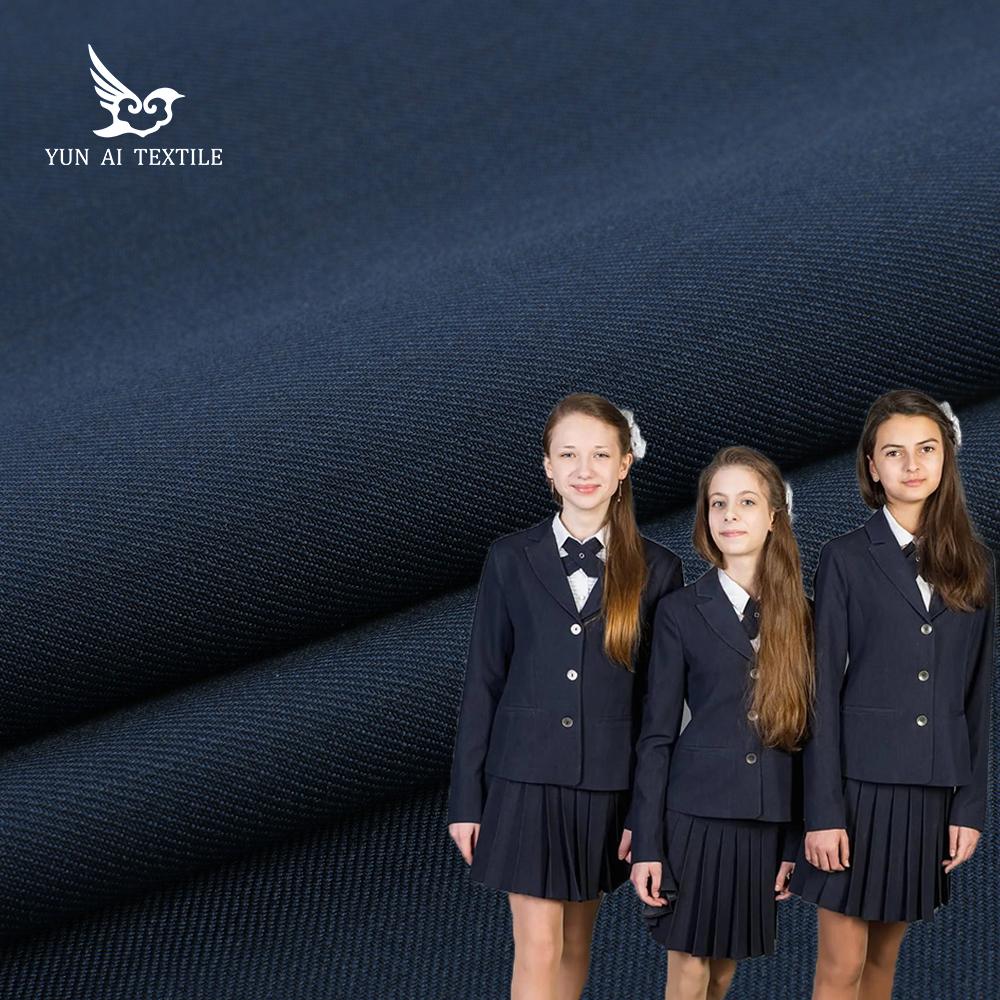
I know durable uniform fabric is essential. The best school uniform fabrics blend natural and synthetic fibers. Cotton-polyester blends are a top contender, balancing strength, comfort, and easy care. For British school uniform fabric, this is key. I also find polyester viscose fabric for school uniform and polyester rayon spandex fabric for school uniform, like TRSP stretch school uniform fabric, are excellent. We consider Classical school uniform fabric too.
Key Takeaways
- Choose cotton-polyester blends for school uniforms. They offer a good mix of strength and comfort.
- Look for strong fibers and tight weaves in uniform fabric. This helps uniforms last longer.
- Wash uniforms correctly and remove stains fast. This makes uniforms last longer.
Key Durability Factors in School Uniform Fabric
Fiber Strength and Resilience
I always look at fiber strength first. Strong fibers mean the uniform lasts longer. For example, Nylon 6,6 has a high tensile strength, typically between 70 and 75 MPa. Polyester (PET) is also very strong, with a tensile strength of 55 to 60 MPa. Cotton canvas, a natural fiber, shows a tensile strength of 30 to 50 MPa. This strength directly impacts how well the school uniform fabric withstands daily wear and tear.
| Fiber | Tensile Strength (MPa) |
|---|---|
| Nylon 6,6 | 70–75 |
| Polyester (PET) | 55–60 |
| Cotton Canvas | 30–50 |
Weave Type and Construction
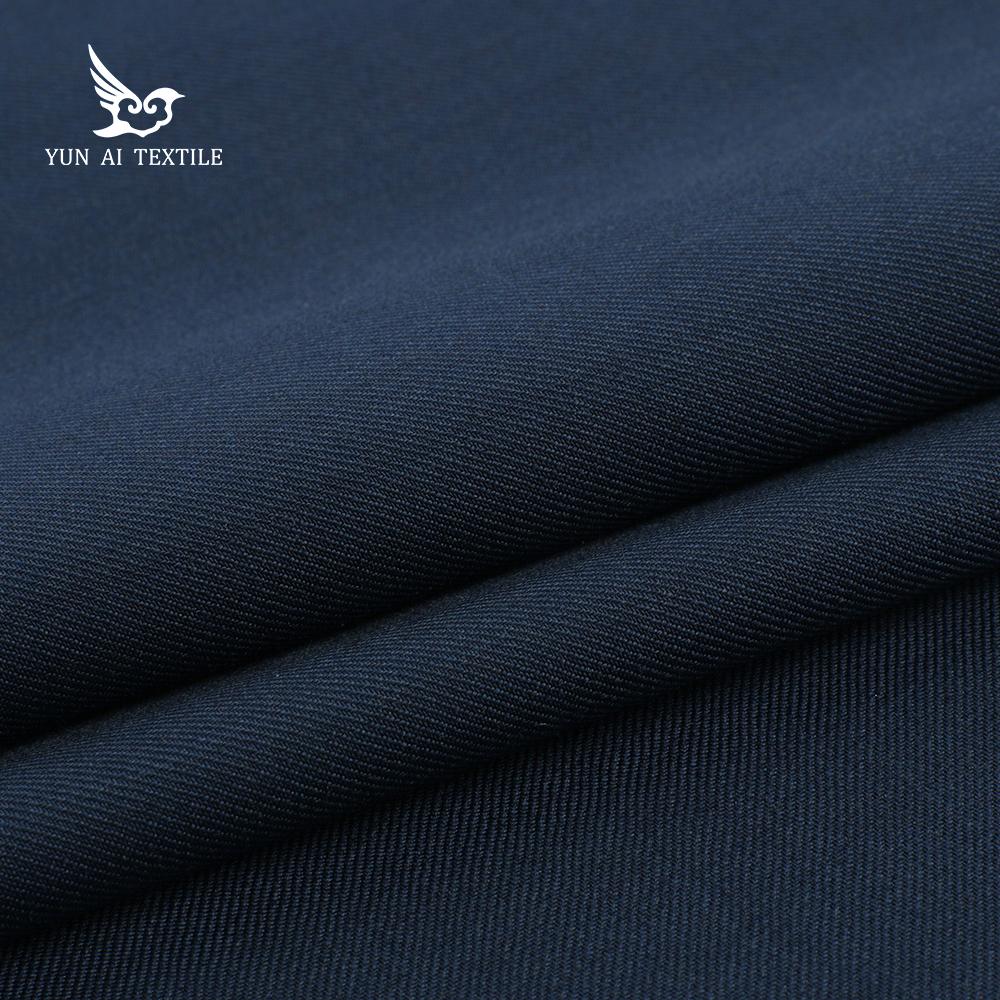
The way a fabric is woven significantly affects its durability. A tight weave, like a twill, makes the fabric more resistant to snags and tears. I find that a well-constructed weave prevents the fabric from easily unraveling. This is crucial for school uniforms, which endure constant movement and friction.
Resistance to Pilling and Abrasion
Pilling and abrasion resistance are vital for maintaining a uniform’s appearance. Pilling happens when fibers break and tangle on the fabric surface. Abrasion resistance measures how well the fabric withstands rubbing. I rely on specific standards to assess these qualities. For instance, ISO 12945-2:2020 evaluates pilling and abrasion. ISO 12945-4 specifies the method for evaluating these properties by eye. These tests help me ensure the school uniform fabric will look good even after many washes and wears.
Top School Uniform Fabric Contenders for Durability and Comfort
Cotton-Polyester Blends for Balance
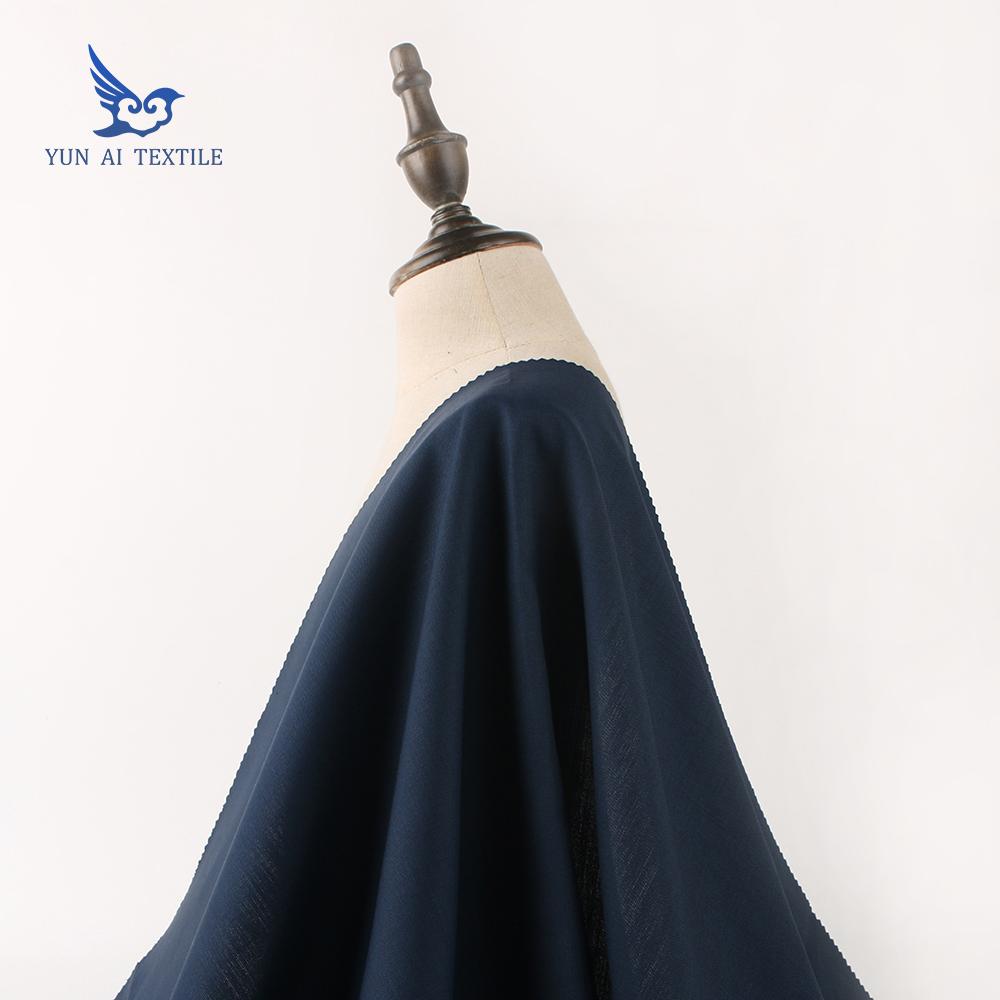
I find cotton-polyester blends offer an excellent balance for school uniforms. They combine the best features of both fibers. Cotton provides softness and breathability. Polyester adds durability, wrinkle resistance, and quick-drying properties. This blend makes the fabric strong and comfortable.
For optimal durability and comfort, I often recommend specific blend ratios. A 65% Polyester / 35% Cotton blend is very popular. It offers high durability, minimal shrinkage, and dries quickly. This blend is cost-effective too. Many use it in sportswear and uniforms.
I also see a 60% Polyester / 40% Cotton blend. This ratio feels slightly softer because it has more cotton. It works well for performance apparel where comfort is a key focus.
| Blend Ratio (Poly/Cotton) | Key Benefits | Best Use Case |
|---|---|---|
| 65/35 | High durability, low maintenance | Logistics, warehouse, industrial workwear |
| 60/40 | Balanced softness and wrinkle resistance | Retail, corporate, school uniforms |
| 50/50 | Equal comfort and moisture-wicking | General-purpose uniforms, light hospitality |
A university in the UK chose a 60% polyester / 40% cotton blend for its student service team uniforms. This decision improved the fabric’s drape and reduced shrinkage. It also kept the desired softness. I believe this blend is a strong contender for school uniform fabric.
Polyester for Extreme Wear Resistance
When I need extreme wear resistance, I turn to polyester. This synthetic fiber is incredibly durable. It stands up to daily wear and tear very well. Polyester also resists corrosion, which means it prevents mildew and spots. This helps garments last longer and look new. Its strength makes it a top choice for uniforms that need to endure a lot of activity.
Nylon for Superior Strength
Nylon is another fiber I consider for superior strength. It has a very high tensile strength. This means it resists breaking under tension. I often see nylon used in areas of uniforms that experience high stress. Its toughness helps prevent tears and snags. This makes uniforms more resilient.
Wool Blends for Specific Climates
For specific climates, especially cooler ones, I recommend wool blends. Wool, particularly Merino wool, offers excellent thermal insulation. It keeps students warm without overheating them. Wool also has natural moisture-wicking properties. It pulls moisture away from the body. This prevents sweat buildup.
Wool is a splendid insulator. It traps body heat. It also lets moisture evaporate. This prevents sweat buildup. This insulation makes it perfect for school uniforms during colder months. It holds a child’s body heat. Wool blends, like wool-polyester or wool-cotton, give the same warmth. They also add durability and make care easier.
Merino wool handles moisture differently than synthetic fabrics. It works more gradually. It maintains insulation even as it absorbs moisture. This is useful for cooler weather sports. It also regulates temperature. It keeps athletes warm even when damp. It remains breathable. This makes it ideal for unpredictable weather.
| Fabric | Moisture-Wicking | Durability | Breathability | Water Absorption | Odor Resistance | Best For |
|---|---|---|---|---|---|---|
| Merino Wool | Good | Medium | Excellent | Up to 30% of its weight | Excellent | Moderate activity, variable weather |
Beyond Fabric: Ensuring School Uniform Longevity
Quality of Construction and Stitching
I know good construction is vital. Strong seams make a uniform last. I always check the stitching. Lockstitch is very durable. It holds fabric pieces firmly. Chain stitch offers flexibility. This helps prevent stress tears. Backstitching secures seams at the start and end. It stops them from unraveling. Overlocked edges prevent fraying on internal seams. They keep seams smooth. This adds to durability and comfort. These details are crucial for any school uniform.
Reinforcements in High-Wear Areas
I also look for reinforcements. Some areas get more wear. Knees and elbows need extra strength. Reinforced elbows make jumpers last longer. They withstand constant bending. Reinforced knees handle tough school life. They resist wear from sitting and playing. This prevents holes and tears. It extends the uniform’s life. These small additions make a big difference.
Dye Fastness and Color Retention
Color retention is important. I want uniforms to look new. Dye fastness tests measure this. ISO 105-C06:2010 checks colorfastness to washing. It simulates home or commercial laundering. This test assesses color loss and staining. ISO 105-B01:2014 tests light exposure. It uses natural light sources. Samples are compared to blue wool references. ISO 105-X12:2016 measures rubbing resistance. This determines color transfer to other surfaces. It includes dry and wet rubbing tests. These tests ensure the school uniform fabric keeps its vibrant color.
| Test Type | Primary Standard | Description |
|---|---|---|
| Colorfastness to Washing | ISO 105-C06:2010 | Measures a fabric’s ability to retain color after laundering, simulating domestic or commercial washing. Includes single (S) and multiple (M) tests to assess color loss and staining. |
| Colorfastness to Light | ISO 105-B01:2014 (daylight) & ISO 105-B02:2014 (artificial light) | Evaluates how well a fabric maintains its color when exposed to natural or artificial light sources. Samples are compared against blue wool references. |
| Colorfastness to Rubbing | ISO 105-X12:2016 | Determines a fabric’s resistance to color transfer to another surface due to friction. Involves dry and wet rubbing tests using a standard white cloth. |
Maximizing School Uniform Fabric Lifespan Through Care
I know that even the most durable school uniform fabric needs proper care. Following the right washing, stain removal, and storage techniques significantly extends the life of garments. I always advise parents and schools to adopt these practices.
Proper Washing and Drying Techniques
I find that correct washing is the first step to uniform longevity. For cotton-polyester blends, which are very common, I recommend specific approaches. You should use cool or warm water. A mild detergent works best. I also suggest adding a quarter cup of white vinegar to the rinse cycle. This neutralizes odors without harming the fabric.
Here is a quick guide I use for different fabric types:
| Fabric Type | Water Temperature | Recommended Detergent |
|---|---|---|
| Cotton | Warm water (Normal Cycle) | ARM & HAMMER™ Plus OxiClean, Clean Meadow, Stain Removing High Efficiency (HE) Liquid Laundry Detergent |
| Polyester | Warm water (Normal Cycle) | ARM & HAMMER™ Clean Burst Liquid Laundry Detergent |
For polyester, I always use warm water. I add my favorite laundry detergent. Vinegar can soften the fabric and reduce odors. I always avoid hot water for polyester. I also never use chlorine bleach on polyester. For white or bright colors, I sometimes add an all-purpose bleach alternative. This keeps colors vibrant.
Effective Stain Removal Strategies
Stains are inevitable with school uniforms. I have found that acting quickly is the most important rule. Fresh stains are much easier to remove. If a stain happens at school, I encourage blotting it with a damp paper towel.
I always check the garment’s care label first. Different materials need different treatments. Some fabrics are sensitive to harsh chemicals. Pre-treating the stain is a crucial step for most stains.
- Food Stains (ketchup, sauce, etc.): I scrape off excess food. Then, I rinse the area with cold water. I apply liquid detergent or a specialized stain remover for 5-10 minutes. After that, I wash the uniform as usual.
- Grease or Oil Stains (butter, oil): I sprinkle cornstarch, talcum powder, or baking soda on the stain. This absorbs the oil for about 30 minutes. I brush off the powder. Then, I treat the spot with dishwashing liquid or a stain remover.
- Ink Stains: For ballpoint pen ink, I use rubbing alcohol or hand sanitizer. I place a paper towel under the stain. I dab the stain with alcohol. I blot it with a clean cloth to prevent spreading. Then, I follow with a regular wash.
- Grass Stains: I pre-treat these with an equal-parts solution of vinegar and water or rubbing alcohol. I lightly scrub the stain with a soft-bristled brush. Then, I wash the uniform as usual.
I use cold or lukewarm water for most stains when washing. This prevents them from setting. I add a detergent with enzymes to break down organic stains. For stubborn stains, I use fabric-safe oxygen bleach or a color-safe bleach alternative. I always inspect the stained area after washing. Heat from a dryer can permanently set stains. If the stain remains, I repeat the pre-treatment and washing process. I only dry the uniform when the stain is completely gone.
Storage Tips for Uniform Longevity
Proper storage is key, especially during off-seasons. I always start by thoroughly cleaning items before storage. Invisible stains can yellow over time. Soils also attract insects. This ensures garments are ready-to-wear when needed.
I choose the right storage containers. Plastic bins with airtight lids protect from moisture and pests. I avoid cardboard boxes for long-term storage. They attract moisture and pests. I store uniforms in a cool, dry location. A climate-controlled space with stable temperature and humidity is ideal. I avoid basements and attics. Their conditions fluctuate too much. I keep clothes out of direct sunlight to prevent fading.
To protect from pests, I use moth repellents. Cedar blocks or lavender sachets work well. I also use pest-repellent bags. I periodically inspect stored clothing. I never overstuff containers. I fold clothes neatly to save space. This also prevents wrinkles or stretching. For delicate items, I use garment bags or hangers.
I always label everything for easy access. I clearly label containers with the clothing type and season. I also create a storage list or digital inventory for quick reference. I never store worn items with clean garments. Body oils and perfume attract material-damaging insects like moths. I also avoid overcrowding closets. Proper air circulation is critical for fabric preservation.
I believe the best school uniform fabrics balance durability, comfort, and ease of care. Cotton-polyester blends offer an excellent all-around solution for school uniforms. Proper care and maintenance are crucial for extending fabric lifespan. I always consider construction quality alongside fabric choice for ultimate school uniform durability.
FAQ
What is the most durable school uniform fabric?
I find cotton-polyester blends offer excellent durability. They combine strength from polyester with cotton’s comfort. This blend withstands daily wear very well.
How do I ensure comfort in school uniforms?
I prioritize breathable fabrics like cotton-polyester blends. Spandex inclusion also adds stretch for better movement. This ensures students feel comfortable all day.
What is the best way to extend uniform life?
I always recommend proper washing and quick stain removal. Storing uniforms correctly also prevents damage. These steps significantly prolong garment life.
Post time: Oct-28-2025