
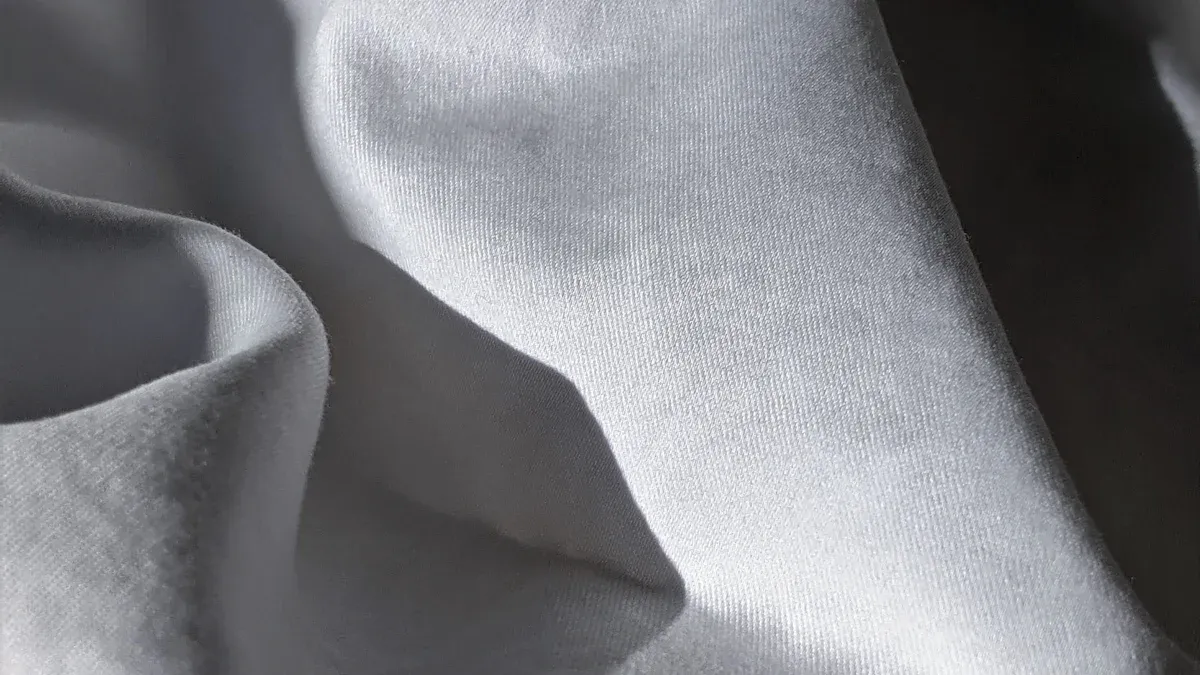
Choosing the right polyester spandex fabric can make or break your project. Think about it—does the spandex polyester fabric stretch enough? Will it hold up over time? Whether you’re sewing activewear or home decor, understanding factors like weight, fiber content, and durability helps you find the perfect fit. In Australia, polyester spandex fabric australia is highly sought after for its versatility and quality.
Key Takeaways
- Check how much the fabric stretches and bounces back. This helps it keep its shape and fit longer.
- Pick the right weight and thickness for your project. Thin fabrics are great for summer clothes. Thicker ones are better for sturdy items.
- Choose the right mix of fibers for your project. More spandex means more stretch, which is great for sportswear or tight clothes.
Understanding Polyester Spandex Fabric
 Key Characteristics
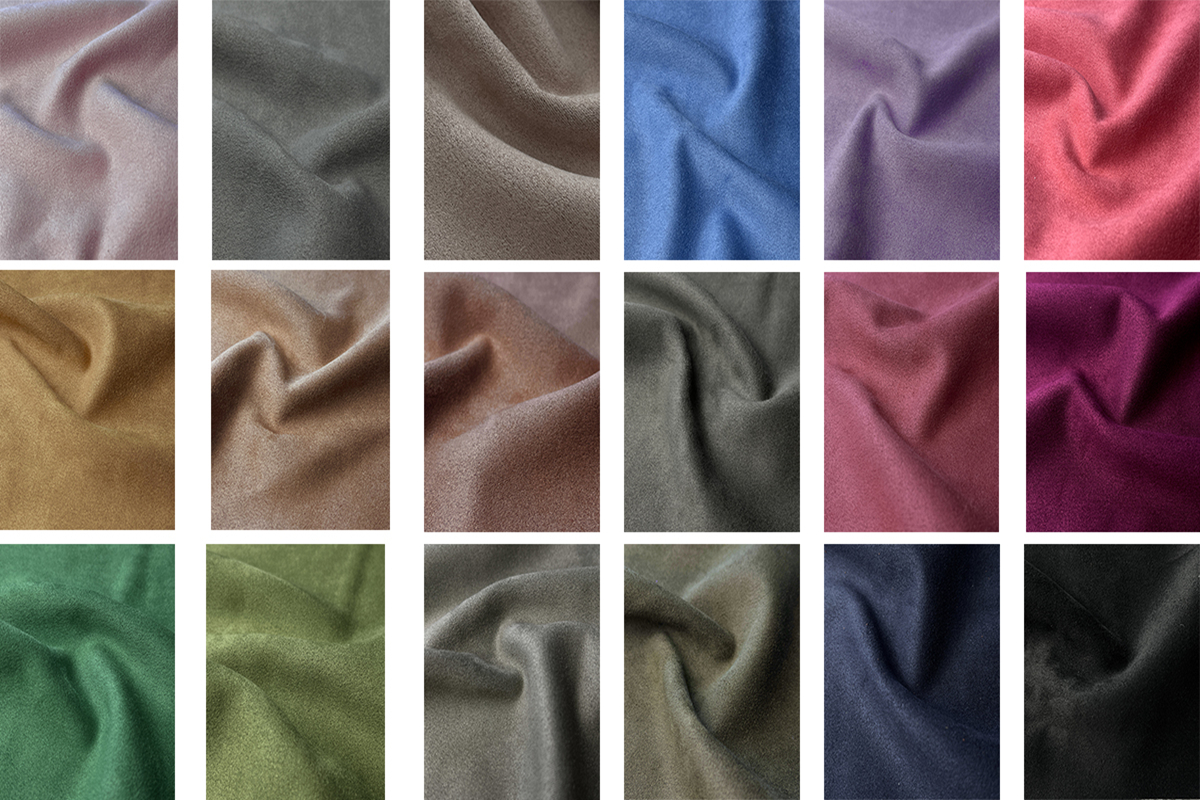
Polyester spandex fabric is a powerhouse of versatility. It combines the durability of polyester with the stretchiness of spandex, making it a go-to choice for many projects. You’ll notice its smooth texture and lightweight feel, which make it comfortable to wear and easy to work with.
One standout feature is its 4-way stretch. This means the fabric stretches both horizontally and vertically, giving you maximum flexibility. It also has excellent recovery, so it snaps back to its original shape after being stretched. That’s why it’s perfect for projects that need a snug fit.
Another key trait? It’s low-maintenance. Polyester spandex resists wrinkles, dries quickly, and holds its shape even after multiple washes. Plus, it’s colorfast, so your creations won’t fade easily. If you’re looking for a fabric that’s both practical and stylish, this one checks all the boxes.
Tip: Always test the stretch and recovery before starting your project. This ensures the fabric meets your needs.
Common Applications
You’ll find polyester spandex fabric in a wide range of projects. For clothing, it’s a favorite for activewear, leggings, and swimsuits because of its flexibility and comfort. It’s also great for dancewear and costumes, where movement is key.
Beyond apparel, this fabric shines in home decor. Think stretchy slipcovers, fitted tablecloths, or even pillowcases. Its durability and easy-care properties make it a smart choice for everyday use.
Whether you’re sewing for fashion, function, or fun, polyester spandex fabric adapts beautifully to your vision.
Key Factors for Choosing Polyester Spandex Fabric
Stretch and Recovery
When working with polyester spandex fabric, stretch and recovery are two of the most important factors to consider. You want a fabric that stretches easily but also snaps back to its original shape. This is especially important for projects like activewear, swimwear, or anything that needs to fit snugly.
To test stretch and recovery, try this simple trick:
- Pull the fabric in both directions (horizontally and vertically).
- Let go and see if it returns to its original size without sagging.
If the fabric doesn’t recover well, it might lose its shape over time. For projects requiring high elasticity, look for fabrics with a higher spandex percentage.
Pro Tip: Always check the stretch percentage listed by the supplier. A 4-way stretch fabric with 20-30% spandex is ideal for most stretchy garments.
Weight and Thickness
The weight and thickness of polyester spandex fabric can make or break your project. Lightweight fabrics work well for flowy dresses, leggings, or summer tops. Heavier fabrics, on the other hand, are better for structured garments like jackets or upholstery.
Here’s a quick guide to help you decide:
- Lightweight (4-6 oz): Perfect for breathable, flexible clothing.
- Medium-weight (7-9 oz): Great for activewear and fitted garments.
- Heavyweight (10+ oz): Best for durable items like slipcovers or winter wear.
Feel the fabric before buying, if possible. A fabric that’s too thin might not provide enough coverage, while one that’s too thick could feel bulky.
Note: If you’re shopping online, ask for fabric samples to check the weight and thickness in person.
Fiber Content and Blend Ratios
Polyester spandex fabric comes in different blend ratios, and each ratio serves a unique purpose. A higher percentage of polyester makes the fabric more durable and wrinkle-resistant. More spandex, however, increases stretch and flexibility.
Here’s a breakdown of common blends:
| Blend Ratio | Best For |
|---|---|
| 90% Polyester, 10% Spandex | Everyday wear, activewear |
| 85% Polyester, 15% Spandex | Swimwear, dancewear |
| 80% Polyester, 20% Spandex | High-stretch garments, leggings |
Choose a blend that matches your project’s needs. For example, if you’re making yoga pants, a higher spandex content ensures better stretch and comfort.
Breathability and Moisture-Wicking
Breathability is key, especially if you’re sewing activewear or summer clothing. Polyester spandex fabric isn’t naturally breathable, but many modern blends include moisture-wicking technology. This helps keep you cool and dry during workouts or hot weather.
Look for fabrics labeled as “moisture-wicking” or “quick-drying.” These are treated to pull sweat away from your skin. If you’re unsure, check the product description or ask the supplier.
Did You Know? Some polyester spandex fabrics are infused with cooling technology, making them even more comfortable for intense activities.
Durability and Colorfastness
Durability ensures your creations last longer, while colorfastness keeps them looking vibrant. Polyester spandex fabric is known for its strength, but not all options are created equal.
To check durability, gently stretch the fabric. If it feels flimsy or shows signs of wear, it might not hold up over time. For colorfastness, ask the supplier if the fabric has been tested for fading.
Quick Tip: Wash a small fabric sample to see how it holds up. This can save you from surprises later.
By keeping these factors in mind, you’ll find a polyester spandex fabric that’s perfect for your project.
Matching Polyester Spandex Fabric to Your Project
Apparel and Activewear
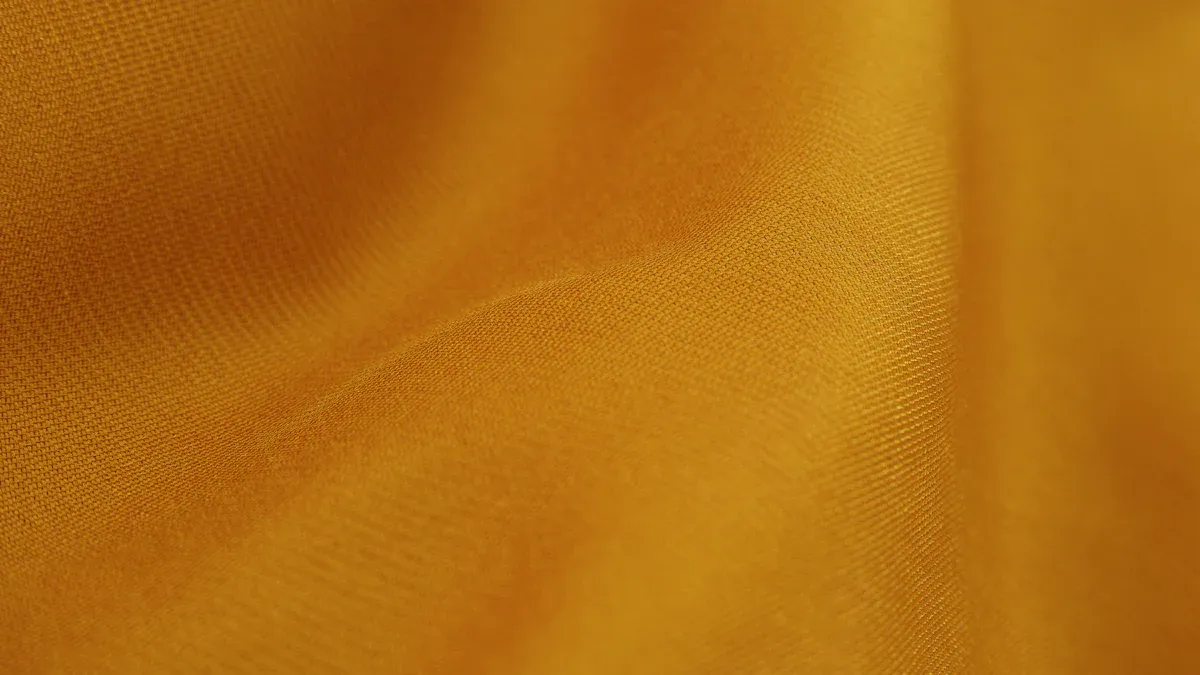
Polyester spandex fabric is a superstar when it comes to apparel and activewear. Its stretch and recovery make it ideal for garments that need to move with you. Think yoga pants, leggings, or compression tops. The fabric hugs your body without feeling restrictive, giving you both comfort and flexibility.
For activewear, look for blends with higher spandex content. These provide better elasticity, which is perfect for workouts or sports. Moisture-wicking options are also a great choice. They help keep you dry and comfortable, even during intense activities.
Tip: If you’re sewing swimwear, choose a blend with at least 15% spandex. This ensures the fabric can handle water and maintain its shape.
Home Decor Projects
Polyester spandex fabric isn’t just for clothing. It’s also a fantastic option for home decor projects. Its stretchiness makes it perfect for fitted slipcovers, chair covers, or even tablecloths. The fabric’s durability ensures it can withstand daily use, while its wrinkle resistance keeps your home looking polished.
For decor, medium to heavyweight fabrics work best. They provide the structure needed for items like cushions or upholstery. Plus, the easy-care properties of polyester spandex mean you won’t have to worry about constant maintenance.
Seasonal and Regional Considerations
When choosing polyester spandex fabric, think about the climate where you’ll use it. For warmer seasons, lightweight blends with moisture-wicking properties are a smart pick. They keep you cool and comfortable. In colder months, heavier fabrics offer more warmth and structure.
If you live in a humid region, breathability becomes even more important. Look for fabrics designed to wick away moisture. This is especially true for activewear or summer clothing.
Polyester Spandex Fabric in Australia
In Australia, polyester spandex fabric is a popular choice for both fashion and function. The country’s diverse climate makes this fabric a versatile option. Lightweight blends are perfect for the hot summers, while medium-weight options work well for cooler regions.
You’ll find polyester spandex fabric australia widely available, with many suppliers offering high-quality options. Whether you’re sewing activewear, swimwear, or home decor, you’ll have plenty of choices. Just remember to check the blend ratios and fabric properties to ensure they suit your project.
Pro Tip: If you’re shopping for polyester spandex fabric australia online, request samples to feel the texture and stretch before committing to a purchase.
Tips for Evaluating Fabric Quality
Choosing the right polyester spandex fabric isn’t just about looks. You also need to make sure it feels good, performs well, and comes from a reliable source. Here’s how you can evaluate fabric quality like a pro.
Assessing Texture and Stretch
The texture of the fabric can tell you a lot about its quality. Run your fingers over the surface. Does it feel smooth and consistent? High-quality polyester spandex fabric should feel soft and even, without any rough patches or irregularities. If it feels scratchy or uneven, it might not be the best choice for your project.
Stretch is just as important. You want a fabric that stretches easily but doesn’t lose its shape. Try this simple test:
- Hold a small section of the fabric.
- Stretch it gently in all directions.
- Let go and see if it snaps back to its original shape.
If the fabric sags or stays stretched out, it might not hold up over time. For projects like activewear or swimwear, this could be a dealbreaker.
Pro Tip: Don’t just test the stretch once. Repeat the process a few times to see if the fabric’s recovery weakens after multiple stretches.
Checking Supplier Reliability
Not all fabric suppliers are created equal. A reliable supplier can save you time, money, and frustration. Start by doing a little research. Look for reviews or testimonials from other customers. Are they happy with the quality of the fabric? Did the supplier deliver on time?
Here are a few things to check when evaluating a supplier:
- Product Descriptions: Are they detailed and accurate?
- Customer Support: Do they respond quickly to questions?
- Return Policy: Can you return the fabric if it doesn’t meet your expectations?
A trustworthy supplier will also provide clear information about the fabric’s properties, like stretch percentage, weight, and blend ratio. If the details seem vague or incomplete, consider looking elsewhere.
Quick Tip: Ask the supplier about their sourcing practices. Ethical and sustainable sourcing is a good sign of a reputable business.
Requesting Fabric Samples
Buying fabric online can feel like a gamble. That’s why requesting samples is a smart move. A small swatch lets you see, feel, and test the fabric before committing to a larger purchase.
Here’s how to make the most of fabric samples:
- Check the Color: Colors can look different on a screen. Compare the sample to your project’s color palette to ensure it matches.
- Test the Stretch: Use the stretch-and-recovery test mentioned earlier.
- Feel the Weight: Hold the sample up to the light. Does it feel too thin or too heavy for your project?
Some suppliers offer free samples, while others charge a small fee. Either way, it’s worth the investment to avoid costly mistakes.
Did You Know? Many suppliers include care instructions with their samples. Follow these to see how the fabric holds up after washing.
By taking the time to assess texture, stretch, and supplier reliability—and by requesting samples—you’ll set yourself up for success. Your project deserves nothing less than the best fabric!
Common Mistakes to Avoid
Ignoring Stretch Recovery
Stretch recovery is one of the most important features of polyester spandex fabric. If you skip testing it, your project might end up sagging or losing its shape after a few uses. Imagine sewing leggings that stretch beautifully but stay baggy at the knees—frustrating, right?
To avoid this mistake, always test the fabric’s recovery before you start. Stretch it in all directions and see if it snaps back to its original size. If it doesn’t, it’s not the right choice for garments that need a snug fit.
Tip: Fabrics with higher spandex content usually have better recovery. Look for blends with at least 15% spandex for activewear or swimwear.
Overlooking Weight and Thickness
Choosing the wrong weight or thickness can ruin your project. Lightweight fabrics might be too sheer for leggings, while heavyweight ones could feel bulky for summer tops.
Here’s a quick fix: Match the fabric’s weight to your project’s purpose. For breathable clothing, go for lightweight options. For structured items like slipcovers, pick medium to heavyweight fabrics.
Pro Tip: Hold the fabric up to the light to check its opacity. Thin fabrics may need lining for extra coverage.
Choosing the Wrong Blend for the Project
Not all polyester spandex blends are created equal. Using the wrong blend can lead to discomfort or poor performance. For example, a low-spandex blend won’t provide enough stretch for yoga pants, while a high-spandex blend might feel too tight for casual wear.
Always check the blend ratio before buying. A 90/10 polyester-spandex mix works well for everyday clothing, while an 80/20 blend is better for high-stretch garments like leggings or swimwear.
Quick Tip: Think about the activity your project is designed for. Higher spandex content is ideal for movement-heavy tasks like workouts or dancing.
Buying from Unreliable Sources
Purchasing fabric from unreliable suppliers can lead to disappointment. You might end up with poor-quality material or inaccurate descriptions. Worse, you could waste time and money on something that doesn’t meet your needs.
Stick to trusted suppliers with good reviews. Look for detailed product descriptions and clear return policies. If possible, request fabric samples to test the quality before committing to a larger purchase.
Did You Know? Ethical suppliers often provide information about their sourcing practices. Supporting them ensures better quality and sustainability.
Final Checklist for Choosing Polyester Spandex Fabric
Confirm Stretch and Recovery
Stretch and recovery are the backbone of polyester spandex fabric. Before you commit, test the fabric’s elasticity. Pull it in all directions and let go. Does it snap back to its original shape? If it doesn’t, it might not hold up for projects like activewear or swimwear.
For garments that need flexibility, choose fabrics with higher spandex content. A blend with 15-20% spandex works best for snug fits. Don’t skip this step—it saves you from ending up with saggy or misshapen creations.
Quick Tip: If you’re shopping for polyester spandex fabric australia online, ask the supplier about the fabric’s stretch percentage.
Verify Weight and Thickness
Weight and thickness play a big role in how your project turns out. Lightweight fabrics are great for summer tops or flowy dresses, while heavier ones work better for structured items like jackets or slipcovers.
Hold the fabric up to the light to check its opacity. Thin fabrics might need lining for extra coverage. If you’re unsure, request a sample to feel the weight and thickness in person.
Note: Medium-weight polyester spandex fabric australia is a versatile choice for both clothing and home decor projects.
Check Fiber Content and Blend Ratios
The fiber content and blend ratio determine the fabric’s durability and stretch. A higher polyester percentage makes the fabric stronger and more wrinkle-resistant. More spandex means better elasticity.
Match the blend to your project. For everyday wear, a 90/10 polyester-spandex mix works well. For high-stretch garments like leggings, go for an 80/20 blend.
Pro Tip: Always check the product description for blend ratios. It’s a small detail that makes a big difference.
Ensure Supplier Reliability
A reliable supplier ensures you get high-quality fabric. Look for detailed product descriptions, clear return policies, and positive reviews. If possible, request fabric samples to test the material before buying in bulk.
Ask about sourcing practices too. Ethical suppliers often provide better-quality polyester spandex fabric australia. Supporting them helps you get great fabric while promoting sustainability.
Did You Know? Many suppliers offer free samples. Use them to check stretch, weight, and texture before committing to a purchase.
Choosing the right polyester spandex fabric can transform your project from good to great. By focusing on stretch, weight, and blend ratios, you’ll ensure your creations are both functional and stylish.
Remember: Use the tips and checklist to guide your decisions. Thoughtful fabric selection leads to better results and fewer frustrations.
FAQ
How do I know if polyester spandex fabric is right for my project?
Check the fabric’s stretch, weight, and blend ratio. Match these features to your project’s needs for the best results.
Tip: Request fabric samples to test before buying.
Can I use polyester spandex fabric for outdoor projects?
Yes, but choose durable, UV-resistant blends. These fabrics hold up better against sunlight and weather exposure.
Post time: Jul-01-2025