
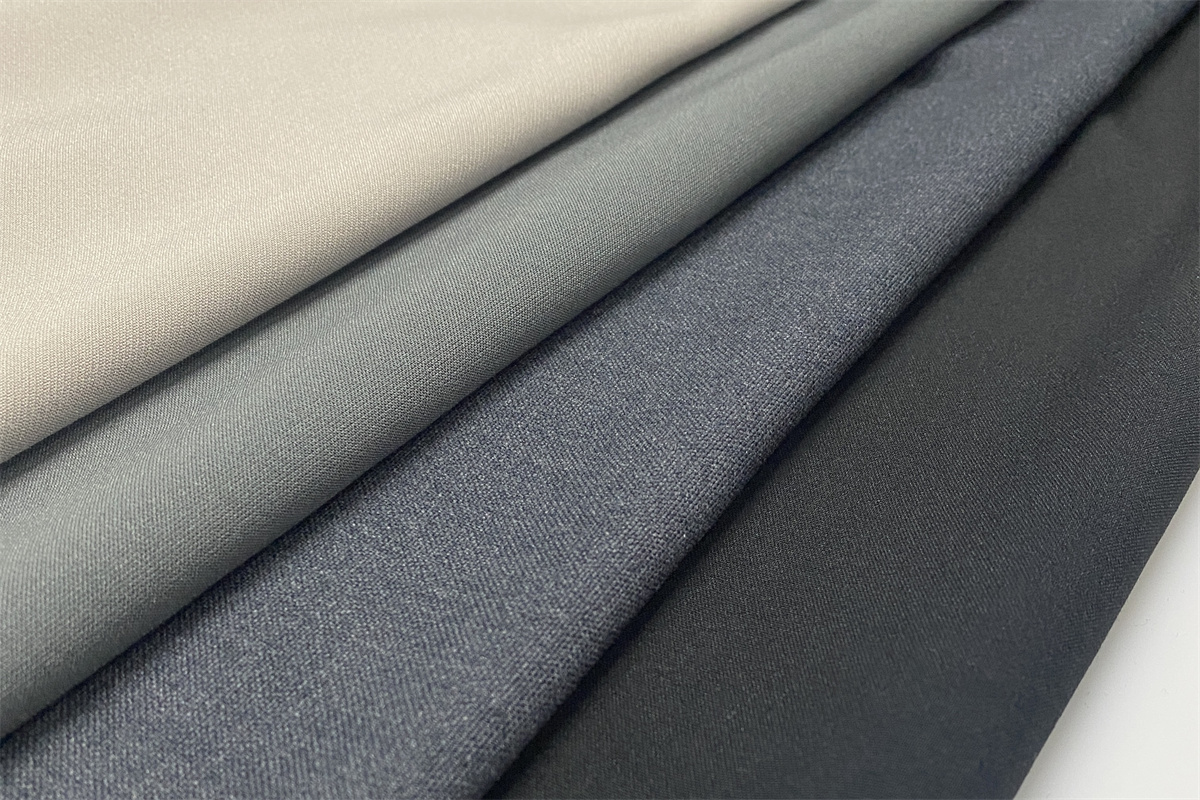
I find sustainable polyester rayon fabric for uniforms is superior. It offers optimal durability and comfort. A 300gm 80 polyester 20 rayon blend tr suiting fabri excels. High quality winter polyester rayon elastic twill works well. Consider 80 polyester 20 viscose school uniform material Tr and Navy Blue Twill 80 Polyester 20 Viscose Material B. Polyester Rayon Fabric Office bank uniform pants f options reduce environmental impact.
Key Takeaways
- Sustainable polyester rayon fabrics are a good choice for uniforms. They use recycled materials and help the environment.
- These fabrics last a long time and feel comfortable. They keep you cool in summer and warm in winter.
- Choosing these uniforms saves money over time. They last longer and cost less to clean.
Understanding Sustainable Polyester Rayon Fabric for Uniforms

What Makes These Blends Sustainable?
When I talk about sustainable polyester rayon fabric for uniforms, I refer to materials that minimize environmental impact. This often involves using recycled polyester fibers. It also means sourcing rayon from responsibly managed forests. These practices reduce waste and conserve natural resources. Several certifications ensure these fabrics meet high environmental standards. I look for labels like:
- MADE IN GREEN by OEKO-TEX®: This label verifies product safety and responsible production.
- STeP by OEKO-TEX®: This certifies sustainable textile production processes.
- STANDARD 100 by OEKO-TEX®: It ensures products are free from harmful substances.
- Chain of Custody (CoC) certification from PEFC™: This verifies the sustainable origin of fibers and traceability. It ensures pulp comes from sustainably-managed plantations.
- Higg Facility Environmental Module (FEM) assessment: This assesses environmental performance in viscose mills.
- Recycled Claim Standard (RCS): It verifies recycled input and chain of custody, requiring 5% to 100% recycled material.
- Global Recycled Standard (GRS): This includes social responsibility, environmental management, and chemical restrictions. It requires 20% to 100% recycled material.
Key Benefits of Sustainable Blends for Uniforms
Choosing sustainable blends offers significant advantages. I find these fabrics provide excellent durability. They show superior wear resistance, outperforming many natural fabrics. Their good elasticity means the fabric recovers well from stretching. This prevents wrinkles. Polyester’s inherent properties contribute to strength, resistance to deformation, and easy care.
Beyond durability, comfort is a major benefit. I notice that polyester rayon blends effectively regulate temperature. They keep wearers cool in summer and warm in winter. Rayon specifically adds a breathable, soft, and comfortable feel to the blend. This combination makes for a comfortable, durable, and breathable polyester rayon fabric for uniforms.
Top Sustainable Polyester Rayon Fabric Blends for Uniforms
I find several sustainable polyester rayon fabric blends stand out for uniform applications. These options combine performance with a strong commitment to environmental responsibility. Each blend offers unique advantages, making them suitable for different uniform needs.
Recycled Polyester and Lyocell Blends
I often recommend recycled polyester and Lyocell blends for uniforms. Recycled polyester, or rPET, comes from post-consumer plastic bottles. It delivers the same performance as virgin polyester. However, it has a much lower carbon footprint. Lyocell, a type of rayon, comes from sustainably managed wood sources. It offers exceptional softness, breathability, and moisture-wicking properties. This combination creates a fabric that is both durable and incredibly comfortable. I see this blend as ideal for uniforms requiring a soft feel and excellent drape, like those for hospitality or healthcare.
Recycled Polyester and Modal Blends
Another excellent choice is a blend of recycled polyester and Modal. Modal is a semi-synthetic fiber made from beechwood pulp. It is known for its luxurious softness and smooth texture. Modal also resists shrinking and fading, which is crucial for uniforms that undergo frequent washing. When I combine it with recycled polyester, I get a fabric that is strong, resilient, and maintains its appearance over time. This blend provides a premium feel. It works well for corporate uniforms or any setting where a polished look and lasting comfort are priorities.
Recycled Polyester and EcoVero Viscose Blends
I consider recycled polyester and EcoVero Viscose blends a top-tier sustainable option. EcoVero is a brand of viscose rayon from Lenzing. It uses sustainable wood and pulp from certified and controlled sources. Its production process generates up to 50% lower emissions and water impact compared to generic viscose. This makes it a truly green choice.
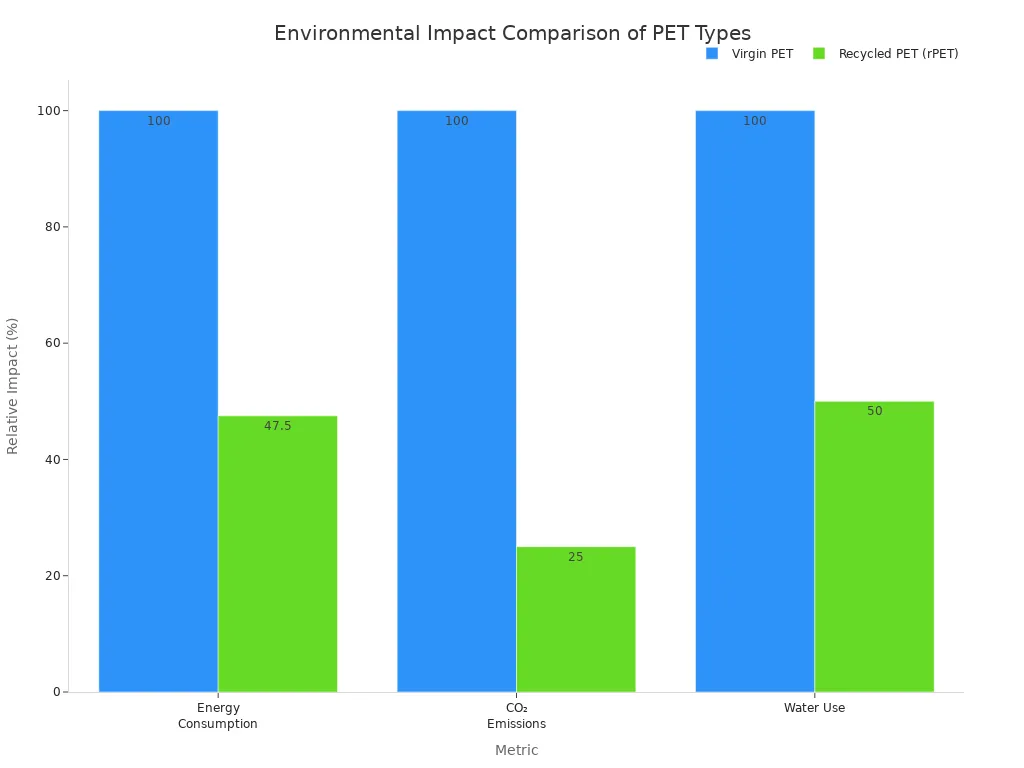
When I look at the environmental benefits of using recycled polyester in these blends, the numbers are compelling:
| Metric | Virgin PET | Recycled PET (rPET) |
|---|---|---|
| Energy Consumption | High | 45–60% lower |
| CO₂ Emissions | High | Up to 75% lower |
| Water Use | Moderate | Much lower |
| Raw Material Source | Crude oil | Post-consumer bottles |
This table clearly shows the significant reduction in environmental impact. The visual representation further emphasizes these benefits:
The industry is moving towards these sustainable options. According to Textile Exchange’s 2024 report, 58% of global polyester fiber now comes from recycled sources. This is a significant increase from just 14% in 2010.
I find that polyester fabric offers many practical features:
- It is strong and durable.
- It has good elasticity.
- It does not easily deform.
- It resists corrosion.
- It provides insulation.
- It is crisp.
- It is easy to wash and dry.
When blended with viscose, as in TR (polyester/viscose) fabric, I observe a smooth fabric with bright colors. It has a strong wool-like feel and good elasticity. It also offers good moisture absorption. An 80 Polyester 20 Viscose Fabric, for example, has excellent wear resistance. This makes it more durable than most natural fabrics. Its good elasticity allows the suiting fabric to recover easily after stretching. It does not leave wrinkles. This combination of recycled polyester and EcoVero Viscose creates an ideal polyester rayon fabric for uniforms. It balances high performance with exceptional environmental credentials.
Choosing the Best Polyester Rayon Fabric for Uniforms
When I select the best polyester rayon fabric for uniforms, I consider several critical factors. These factors ensure the uniforms meet performance demands, uphold ethical standards, and provide long-term value.
Performance Needs and Job Roles
I always start by assessing the specific performance needs of the uniform. Different job roles require different fabric properties. For example, uniforms for active roles, like those in logistics or construction, need high durability and flexibility. I look for blends with excellent abrasion resistance and stretch. For roles in healthcare or hospitality, comfort, breathability, and ease of cleaning are paramount. I find that blends with a higher rayon content often offer a softer feel and better moisture management. I also consider the work environment. Does the uniform need to withstand extreme temperatures? Does it require specific stain resistance? Answering these questions helps me narrow down the ideal polyester rayon fabric for uniforms.
Certifications and Supply Chain Transparency
I believe transparency in the supply chain is non-negotiable. I actively seek out suppliers who provide detailed information about their material origin, factories, and certifications. This commitment empowers me to make informed decisions about the clothing’s production. My brand also collaborates with organizations like the Sustainable Apparel Coalition and Fashion Revolution to promote sustainability and best practices within the fashion industry.
I also prioritize certifications. These certifications assure me that the fabric meets high environmental and social standards. For instance, SGS offers a new Responsible Supply Chain Assessment tool. This tool focuses on human rights risks and impacts across supply chains. It emphasizes transparency and compliance with international standards. It moves beyond traditional audits of working conditions. It fosters responsible business practices and mitigates human rights risks. The tool is adaptable to specific industry risks, including textiles. It aligns with numerous international standards such as ILO Conventions, UN Guiding Principles on Business and Human Rights, and the Employer Pays Principle. I find these certifications crucial for verifying ethical sourcing and production.
Long-Term Value and Cost-Effectiveness
I always evaluate the long-term value and cost-effectiveness of uniform materials. While the initial cost of sustainable polyester rayon blends might be slightly higher, their extended lifespan often translates into significant savings. A healthcare uniform supplier in Berlin switched from cotton to polyester-rich blends. They reported a 30% longer garment lifespan over a 12-month trial. They also saw 40% lower laundering costs and 50% fewer returns from hospitals due to shrinkage or fabric breakdown. This demonstrates that polyester-rich blends significantly extend the lifespan of uniforms compared to conventional materials like cotton.
The durability of polyester-cotton blends is a key sustainability feature. The most sustainable garment is one worn for a long time. This reduces the need for new production. For organizations purchasing uniforms, the extended lifespan of these blends translates into significant long-term savings. It effectively doubles the replacement cycle.
I find the performance attributes of polyester-rich blends compelling:
| Attribute | Polyester Performance | Comparison to Cotton/Rayon |
|---|---|---|
| Abrasion Resistance | Excellent (★★★★★) | Outperforms cotton and rayon |
| Shrinkage After Wash | <1% | Maintains shape |
| Tensile Strength Loss (after 50 washes) | <10% | Maintains fiber integrity |
| Wash Cycles Withstood | 200+ | Minimal pilling |
This chart further illustrates the superior durability:
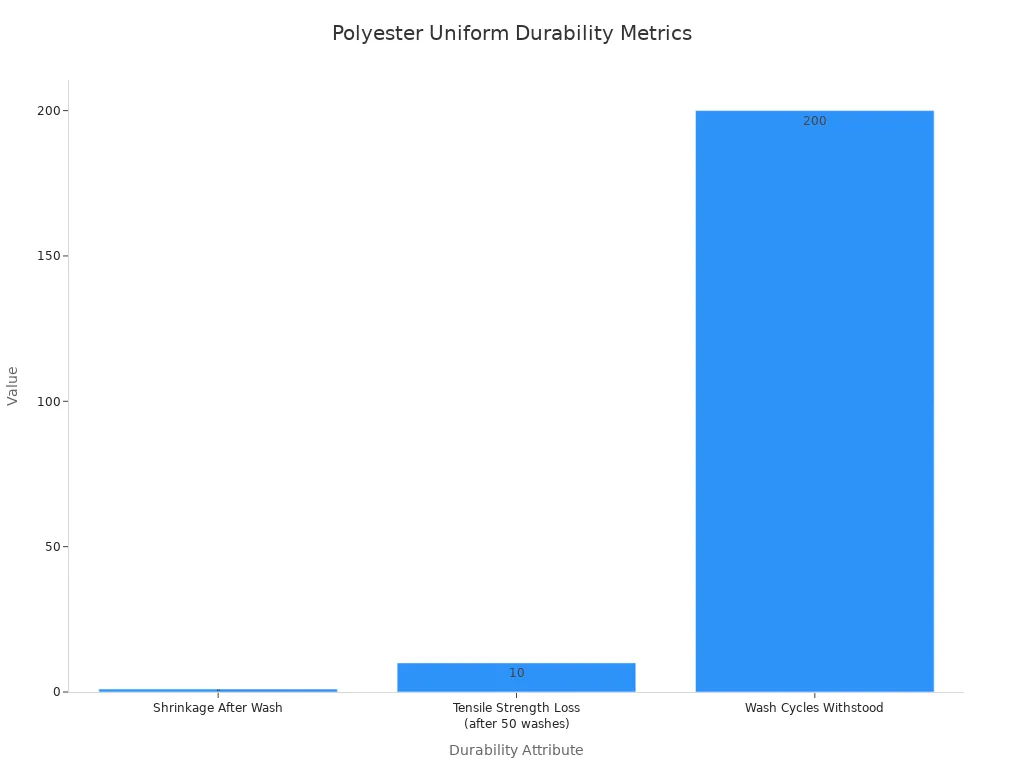
I see that polyester uniforms maintain their integrity and appearance much longer. This reduces the frequency of uniform replacement. Ultimately, this lowers the total cost of ownership.
Implementing Sustainable Polyester Rayon Fabric for Uniforms
Assessing Current Uniform Requirements
I always start by thoroughly assessing current uniform requirements. I examine existing fabrics for their durability, comfort, and overall performance. This process helps me identify specific areas needing improvement. I consider the unique demands of various job roles within an organization. For instance, active roles in logistics or manufacturing require fabrics with high flexibility and robust strength. Conversely, office environments often prioritize comfort, breathability, and a consistently polished appearance. Understanding these distinct needs guides my selection process for the most appropriate sustainable materials.
Sourcing Reputable Sustainable Suppliers
I prioritize sourcing from reputable sustainable suppliers. I actively seek out companies demonstrating clear commitments to environmental and social responsibility. Certifications like OEKO-TEX® and the Global Recycled Standard (GRS) provide crucial validation of their practices. I also place high value on transparency within their supply chains. This ensures ethical sourcing and responsible production. Partnering with such suppliers guarantees the quality and sustainability of the polyester rayon fabric for uniforms I ultimately choose.
Care and Maintenance for Uniform Longevity
Proper care and maintenance significantly extend uniform longevity. I always advise following specific washing instructions tailored for sustainable polyester rayon blends. Using cold water washes and opting for air drying whenever possible reduces energy consumption. Avoiding harsh chemicals also preserves fabric integrity and color vibrancy. This diligent approach minimizes wear and tear over time. It effectively reduces the need for frequent uniform replacements. Extending the garment’s life directly contributes to a lower environmental footprint for the entire uniform program.
I find sustainable polyester rayon blends offer the optimal solution for eco-friendly uniforms. They deliver performance, comfort, and environmental responsibility. Adopting these materials allows businesses to make a significant positive impact. I believe this choice reflects a commitment to both quality and sustainability.
FAQ
Why is sustainable polyester rayon a green choice for uniforms?
I find it uses recycled polyester and responsibly sourced rayon. This reduces waste and conserves resources. It significantly lowers environmental impact.
How do these blends perform in terms of durability and comfort?
I observe excellent durability and wear resistance. The blends also offer superior comfort, breathability, and temperature regulation.
Are sustainable polyester rayon uniforms cost-effective in the long run?
I believe they are. Their extended lifespan and reduced laundering costs lead to significant long-term savings. This lowers the total cost of ownership.
Post time: Nov-03-2025