
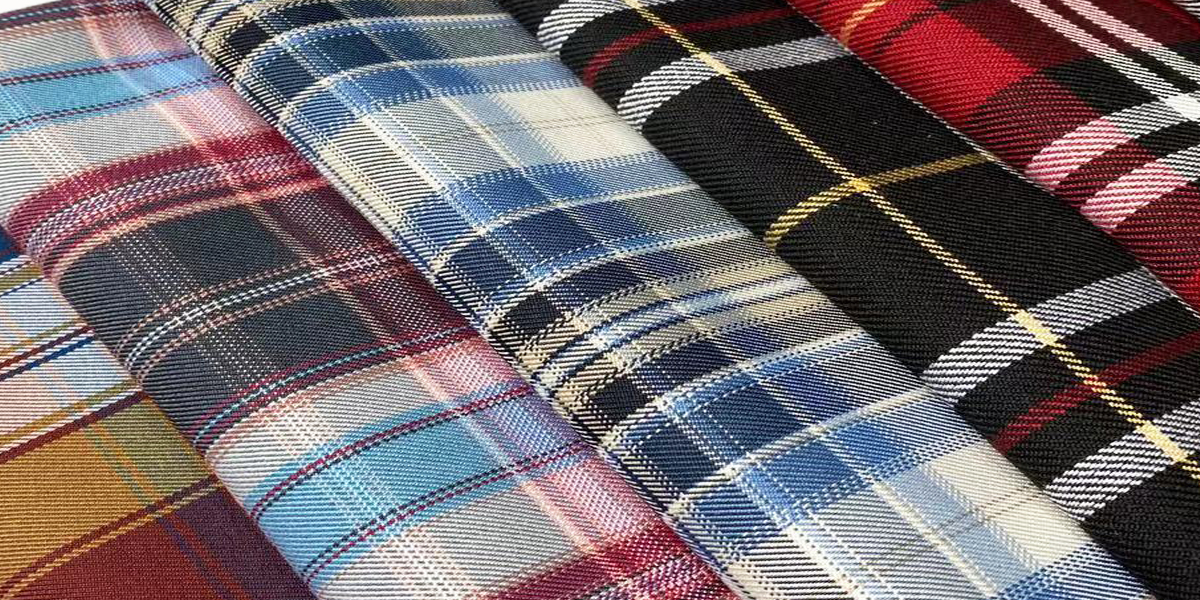
I see clear differences between school uniform fabric for younger and older students. Primary school uniforms often use stain-resistant cotton blends for comfort and easy care, while high school uniform fabric includes formal options like navy blue school uniform fabric, school uniform pants fabric, school uniform skirts fabric, and school uniform jumper fabric.
Studies show that polycotton blends offer more durability and wrinkle resistance, while cotton provides breathability for active children.
| Segment | Key Fabrics/Features |
|---|---|
| Primary School Uniforms | Stain-resistant, elastic, easy-care fabrics |
| High School Uniforms | Formal, wrinkle-resistant, advanced finishes |
Key Takeaways
- Primary school uniforms use soft, stain-resistant fabrics that allow easy movement and handle rough play, focusing on comfort and easy care.
- High school uniforms require durable, wrinkle-resistant fabrics with a formal look that maintain shape and appearance through long school days.
- Choosing the right fabric for each age group improves comfort, durability, and appearance while supporting easy maintenance and environmental care.
School Uniform Fabric Composition
Materials Used in Primary School Uniforms
When I look at primary school uniforms, I notice a strong focus on comfort and practicality. Most manufacturers use polyester, cotton, and blends of these fibers. Polyester stands out because it resists stains, dries quickly, and keeps costs low for families. Cotton remains popular for its breathability and softness, which helps protect young children’s sensitive skin. In warmer climates, I see schools choosing cotton or organic cotton to keep students cool and comfortable. Some uniforms also use poly-viscose blends, usually with about 65% polyester and 35% rayon. These blends offer a softer feel than pure polyester and resist wrinkles better than pure cotton. I have observed a growing interest in sustainable options like organic cotton and bamboo blends, especially as parents and schools become more aware of environmental impacts.
Market reports show that polyester and cotton dominate the primary school uniform market, with poly-viscose blends gaining ground for their durability and comfort.
Materials Used in High School Uniforms
High school uniforms often require a more formal appearance and greater durability. I see polyester, nylon, and cotton as the main materials, but the blends become more sophisticated. Many high schools use:
- Polyester-cotton blends for shirts and blouses
- Polyester-rayon or poly-viscose blends for skirts, pants, and blazers
- Wool-polyester blends for sweaters and winter wear
- Nylon for added strength in certain garments
Manufacturers prefer these combinations because they balance cost, durability, and comfort. For example, an 80% polyester and 20% viscose blend creates a fabric that holds its shape, resists stains, and feels comfortable throughout the school day. Some schools also experiment with bamboo-polyester or spandex blends to add stretch and moisture-wicking properties. I have noticed that high school uniform fabric often includes advanced finishes for wrinkle resistance and easy care, which helps students maintain a neat appearance with less effort.
Age-Appropriate Fabric Choices
I believe fabric selection should always match the needs of each age group. For younger children, I recommend soft, hypoallergenic materials like organic cotton or bamboo blends. These fabrics prevent irritation and allow for active movement. As students grow older, their uniforms must withstand more wear and tear. For primary and middle school students, I look for fabrics that combine breathability, durability, and moisture-wicking features. Polyester-cotton blends work well here, offering easy maintenance and comfort.
Teenagers in high school need uniforms that look sharp and last through frequent use. Structured fabrics with stretch, stain resistance, and wrinkle-free finishes help students stay presentable during long school days and extracurricular activities. I also consider seasonal needs. Lighter, breathable fabrics suit summer, while wool or brushed cotton blends provide warmth in winter.
Environmental and health concerns influence my choices as well. Synthetic fibers like polyester shed microplastics and have a higher carbon footprint, while cotton uses more water. I encourage schools to explore eco-friendly options such as organic cotton, recycled polyester, or bamboo. These alternatives reduce environmental impact and support student health by avoiding harmful chemicals like PFAS and formaldehyde, which sometimes appear in stain-resistant or wrinkle-free school uniform fabric.
Choosing the right school uniform fabric for each age group ensures comfort, durability, and safety, while also addressing environmental and health concerns.
School Uniform Fabric Durability and Strength
Durability for Younger Students
When I select school uniform fabric for primary school children, I always prioritize durability. Young students play, run, and often fall during recess. Their uniforms must withstand frequent washing and rough treatment. I have seen that cotton-polyester blends perform well in these situations. These fabrics resist tearing and hold up against daily wear.
To measure durability, I rely on laboratory tests. The Martindale test stands out as the most relevant for school uniforms. This test uses a standard wool fabric to rub against the sample, simulating the friction that uniforms face every day. The results show how many cycles the fabric can endure before it starts to wear out. I find that polyester-rich blends usually last longer than pure cotton in these tests.
Here is a table summarizing common durability tests for school uniform fabrics:
| Test Method | Abrasive Material | Standard/Norm | Application Context |
|---|---|---|---|
| Martindale test | Standard wool fabric | ISO 12947-1 / ASTM D4966 | Apparel and home textiles, including school uniforms |
| Wyzenbeek test | Cotton fabric, plain weave | ASTM D4157 | Textile abrasion resistance testing |
| Schopper test | Emery paper | DIN 53863, Part 2 | Car seat upholstery durability |
| Taber abrader | Abrasive wheel | ASTM D3884 | Technical textiles and non-textile applications |
| Einlehner test | Aqueous CaCO3 slurry | Commercially available | Technical textiles, conveyor belts |
I recommend fabrics that score high on the Martindale test for primary school uniforms. These fabrics handle the daily challenges of active children and frequent laundering.
Durability for Older Students
High school students need uniforms that look sharp and last through long school days. I notice that older students do not play as roughly as younger children, but their uniforms still face stress from sitting, walking, and carrying heavy backpacks. The fabric must resist pilling, stretching, and fading.
Manufacturers often use advanced blends for high school uniforms. Polyester-rayon and wool-polyester blends provide extra strength and shape retention. These fabrics also resist wrinkles and stains, which helps students maintain a neat appearance. I have found that high school uniforms benefit from fabrics with tighter weaves and higher thread counts. These features increase resistance to abrasion and extend the life of the garment.
I always check for uniforms that pass both the Martindale and Wyzenbeek tests. These tests give me confidence that the fabric will last through multiple school years without losing its quality.
Construction Differences
The way manufacturers construct school uniform fabric also affects durability. For primary school uniforms, I look for reinforced seams, double stitching, and bar tacks at stress points like pockets and knees. These construction methods prevent rips and tears during active play.
In high school uniforms, I see more attention to tailoring and structure. Blazers and skirts often use interfacing and lining to add strength and maintain shape. Pants and jumpers may include extra stitching in areas that experience the most movement. I have noticed that high school uniforms sometimes use heavier fabrics, which provide a more formal look and greater durability.
Tip: Always check the inside of a uniform for quality stitching and reinforcements. Well-constructed garments last longer and keep students looking their best.
School Uniform Fabric Comfort and Breathability
Comfort Needs for Primary School Children
When I choose school uniform fabric for younger children, I always focus on softness and flexibility. Kids in primary school move a lot during the day. They sit on the floor, run outside, and play games. I look for fabrics that feel gentle on the skin and stretch easily. Cotton and cotton blends work well because they do not cause irritation and allow air to flow. I also check that the seams do not scratch or rub. Many parents tell me that their children complain if uniforms feel rough or stiff. For this reason, I avoid heavy or scratchy materials for this age group.
Comfort Considerations for High School Students
High school students have different comfort needs. They spend more time sitting in class and less time playing outside. I notice that older students prefer uniforms that look sharp but still feel comfortable for long hours. Fabrics with a bit of stretch, like those with spandex or elastane, help uniforms move with the body. I also see that high schoolers care about how their uniforms look after a full day. Wrinkle-resistant and moisture-wicking fabrics keep students feeling fresh and confident. I always recommend school uniform fabric that balances structure with comfort for teenagers.
Breathability and Skin Sensitivity
Breathability is important for all ages. I have seen new fabric technologies, such as MXene-coated nonwoven fabrics, improve air flow and skin comfort. These fabrics stay flexible and reduce skin irritation, making them suitable for long-term wear. Scientific studies show that fabric thickness, weave, and porosity affect how well air passes through the material. Cellulosic fibers, like cotton, offer good comfort but can hold moisture and dry slowly. Synthetic fibers, when engineered well, can match or even surpass natural fibers in keeping skin dry. I always consider these factors when recommending school uniform fabric, especially for students with sensitive skin.
School Uniform Fabric Appearance and Style
Texture and Finish
When I examine uniforms, I notice that texture and finish play a big role in how students look and feel. Wrinkle-resistant polyester blends, especially those combining polyester and rayon, help uniforms stay sharp and neat all day. These blends balance strength, softness, and breathability, which gives students a clean and comfortable look. I often see manufacturers use special finishes to improve both appearance and feel.
Some of the most common finishes include:
- Softening finishes for a gentle touch
- Brushing for a fluffy, velvet-like surface
- Sanding for a suede-like feel
- Mercerizing to add shine
- Singeing to remove surface fuzz and create a smooth look
- Peach skin for a soft, smooth, and slightly fuzzy texture
- Embossing for raised patterns
- Calendering and pressing to smooth and add sheen
These finishes not only improve color and texture but also make uniforms more comfortable and easier to wear.
Color Retention
I always look for uniforms that keep their color after many washes. High-quality fabrics with advanced dyeing techniques, like yarn-dyed blends, hold their color longer. This means uniforms look new for a longer time. I have found that polyester-rich blends resist fading better than pure cotton. This helps schools maintain a consistent and professional appearance for all students.
Wrinkle Resistance
Wrinkle resistance matters for both students and parents. I prefer fabrics that stay smooth without much ironing. Polyester blends, especially those with special finishes, resist creasing and keep uniforms looking tidy. This feature saves time and effort during busy school mornings. Students feel more confident when their uniforms look crisp throughout the day.
School Uniform Fabric Maintenance and Care
Washing and Drying
When I help families choose uniforms, I always consider how easy it is to wash and dry the clothes. Most primary school uniforms use blends that handle frequent washing. These fabrics dry quickly and do not shrink much. Parents often tell me they prefer uniforms that can go straight from the washer to the dryer. High school uniforms sometimes use heavier or more formal fabrics. These may take longer to dry and need more careful handling. I suggest checking care labels before washing, especially for blazers or skirts. Using cold water and gentle cycles helps keep colors bright and fabric strong.
Ironing and Upkeep
I notice that many uniforms today use easy-care fabrics. These do not need much ironing. This makes mornings easier for busy families. Primary school uniforms often come in simple styles that resist wrinkles. However, some parents find that light-colored trousers or shirts show wear faster. High school uniforms usually require more attention. Shirts and ties must look neat, and blazers need pressing to keep their shape. I recommend hanging uniforms right after washing to reduce wrinkles. For tough creases, a warm iron works best. Uniform policies in high schools often demand a sharper look, so upkeep becomes more important.
Stain Resistance
Stains happen often, especially for younger children. I always look for uniforms with stain-resistant finishes. These fabrics help repel spills and make cleaning easier. Polyester blends work well because they do not absorb stains as quickly as cotton. For tough stains, I suggest treating spots right away with mild soap and water. High school uniforms also benefit from stain resistance, especially for items like pants and skirts. Keeping uniforms clean helps students feel confident and ready for school each day.
School Uniform Fabric Suitability for Activities
Active Play in Primary School
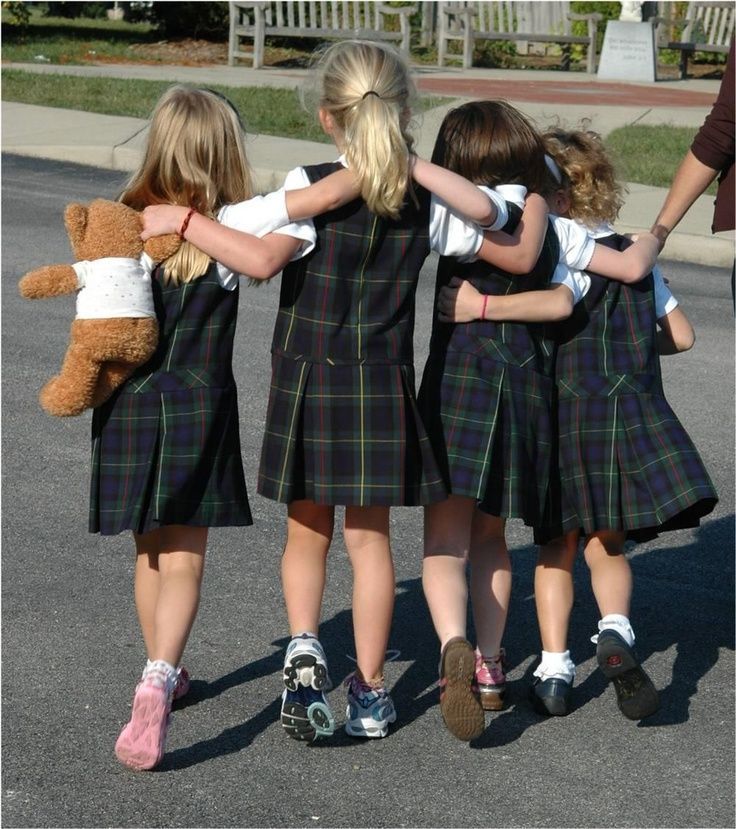
I always consider how much younger students move during the day. They run, jump, and play games at recess. Uniforms for primary school must allow for freedom of movement and withstand rough play. I look for fabrics that stretch and recover their shape. Soft cotton blends and polyester with a bit of spandex work well. These materials resist tearing and do not restrict motion. I notice that reinforced knees and double-stitched seams help uniforms last longer. Parents often tell me that easy-care fabrics make life simpler because they clean up quickly after spills or grass stains.
Tip: Choose uniforms with elastic waistbands and tagless labels to increase comfort and reduce irritation during active play.
Academic and Extracurricular Use in High School
High school students spend more time in classrooms, but they also join clubs, sports, and other activities. I see that modern uniforms use activewear-inspired fabrics to support these needs. Some benefits include:
- Stretchable and moisture-wicking materials keep students comfortable all day.
- Breathable fabrics help regulate body temperature during sports or long classes.
- Wrinkle resistance means uniforms look neat even after hours of wear.
- Flexible fits boost confidence and encourage participation in activities.
- Teachers report that students in comfortable uniforms focus better and join in more often.
Uniforms that blend style with function help students feel prepared for both academic and extracurricular demands.
Adaptability to School Environments
I believe uniforms must adapt to different school settings and student needs. Traditional uniforms used wool or cotton for durability, but many schools now choose synthetic fabrics for cost and easy care. However, I see concerns about environmental impact. Sustainable options like organic cotton, recycled polyester, and hemp reduce waste and pollution. Features such as reinforced stitching and adjustable fits extend the life of uniforms. I also pay attention to sensory needs. Some students find seams or labels irritating, especially those with sensory sensitivities. Simple changes, like softer fabrics or removing tags, can make a big difference in comfort and participation.
Note: Schools that choose sustainable and sensory-friendly uniforms support both the environment and student well-being.
I see clear differences in school uniform fabric for each age group. Primary school uniforms focus on comfort and easy care. High school uniforms need durability and a formal look. When I choose fabric, I consider activity level, maintenance, and appearance.
- Primary: soft, stain-resistant, flexible
- High school: structured, wrinkle-resistant, formal
FAQ
What fabric do I recommend for sensitive skin?
I always suggest organic cotton or bamboo blends. These fabrics feel soft and rarely cause irritation. I find them safe for most children.
How often should I replace school uniforms?
I usually replace primary uniforms every year. High school uniforms last longer. I check for fading, tears, or tight fits before buying new ones.
Can I machine wash all school uniform fabrics?
Most uniforms handle machine washing well. I always read care labels first. For blazers or wool blends, I use gentle cycles or dry cleaning.
Post time: Jul-25-2025