

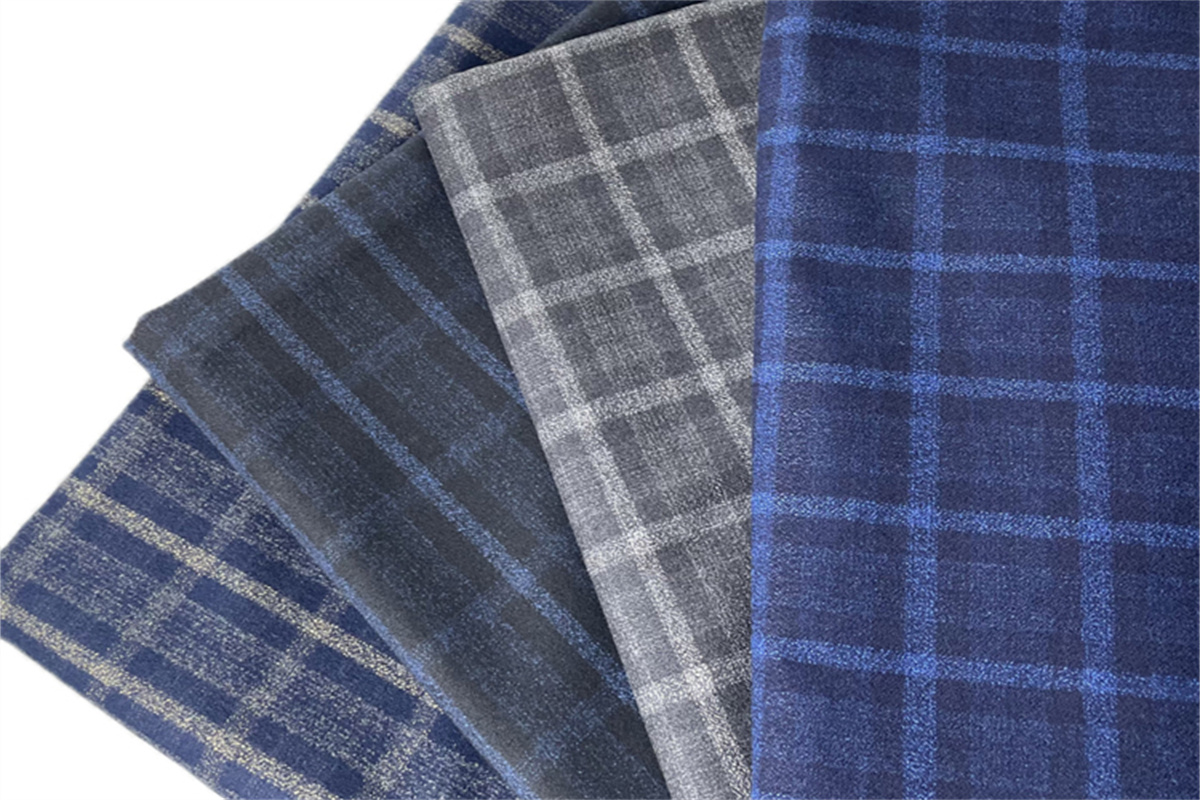
When I think about school uniforms, the selection of school uniform fabric plays a crucial role beyond mere practicality. The type of school uniform material chosen impacts comfort, durability, and the way students connect with their schools. For instance, TR school uniform fabric, made from a blend of polyester and rayon, provides a perfect mix of strength and breathability. In many areas, big plaid school uniform fabric carries a sense of tradition, while 100 polyester school uniform fabric is favored for its easy maintenance. These options, including plaid school uniform fabric, highlight how schools thoughtfully balance functionality with cultural significance in their uniform designs.
Key Takeaways
- The fabric of school uniforms affects comfort, strength, and style. Picking good materials makes school life better.
- Using eco-friendly fabrics is important today. Schools now choose materials like organic cotton and recycled fibers to help the environment.
- New technology has changed how fabrics are made. Things like mixed yarns and smart fabrics add new features, making uniforms fit modern needs.
Historical Foundations of School Uniform Fabric

Early European School Uniforms and Their Materials
When I look back at the origins of school uniforms, I see a deep connection between fabric choices and societal values. In the 16th century, Christ’s Hospital School in the United Kingdom introduced one of the earliest uniforms. It featured a long blue coat and yellow knee-high socks, a design that remains iconic today. These garments were made from durable wool, a material chosen for its warmth and longevity. Wool reflected the practical needs of the time, as students often faced harsh weather conditions.
The tradition of standardized academic dress dates even further back to 1222, when clergy members adopted robes for educational settings. These robes, typically made from heavy black fabric, symbolized humility and discipline. Over time, schools adopted similar materials to instill a sense of order and modesty among students. The choice of fabric wasn’t just about functionality; it carried symbolic weight, reinforcing the values of the institutions.
The Role of Fabric in American School Uniform Traditions
In the United States, the evolution of school uniform fabric tells a story of adaptation and innovation. Early American schools often mirrored European traditions, using wool and cotton for their uniforms. These materials were practical and readily available, making them ideal for the growing educational system. However, as industrialization advanced, fabric choices began to shift.
By the mid-20th century, synthetic materials like polyester and rayon gained popularity. These fabrics offered several advantages, including durability, affordability, and ease of maintenance. For example, polyester viscose became a common choice due to its softness and resilience. Organic cotton also emerged as a sustainable option, reflecting a growing awareness of environmental issues. Today, many schools incorporate recycled fibers into their uniforms, reducing their environmental impact while maintaining quality.
| Fabric Type | Benefits |
|---|---|
| Polyester Viscose | Softness and resilience |
| Organic Cotton | Eco-friendly and sustainable |
| Recycled Fibers | Reduces environmental impact |
I’ve noticed that these fabric choices not only meet practical needs but also align with broader cultural and economic trends. Sustainability has become a key focus, with manufacturers adopting ethical practices to produce uniforms that are both functional and environmentally friendly.
Symbolism and Practicality in Early Fabric Choices
The fabrics used in early school uniforms often carried symbolic meanings. For instance, black robes symbolized humility and obedience, reflecting the spiritual values of monastic schools. White garments, on the other hand, represented purity and simplicity, emphasizing a life free from distractions. Schools also used red accents to signify sacrifice and discipline, while gold elements symbolized divine light and glory. These choices weren’t arbitrary; they reinforced the moral and ethical teachings of the institutions.
- Black robes symbolized humility and obedience.
- White garments represented purity and simplicity.
- Red accents signified sacrifice and discipline.
- Gold elements symbolized divine light and glory.
- Blue hues evoked protection and guardianship.
Practicality also played a significant role. Seasonal adaptations ensured that students remained comfortable throughout the year. For example, thicker fabrics were used during winter months, while lighter materials were chosen for summer. This balance between symbolism and practicality highlights the thoughtful approach schools took in designing their uniforms.
The historical foundations of school uniform fabric reveal a fascinating interplay between tradition, functionality, and cultural values. From the woolen coats of Christ’s Hospital to the eco-friendly materials of today, these choices reflect the priorities of their time. They remind me that even something as simple as fabric can carry profound meaning.
Evolution of School Uniform Fabric Over Time
Technological Advancements in Fabric Production
I’ve noticed that technological progress has transformed the way school uniform fabric is produced. Early methods relied on manual weaving and natural fibers, which limited the variety and efficiency of production. The Industrial Revolution introduced mechanized looms, enabling faster and more consistent fabric creation. This shift allowed schools to standardize uniforms more easily.
In the 20th century, innovations like chemical treatments and dyeing techniques enhanced fabric durability and color retention. For example, wrinkle-resistant finishes became popular, reducing the need for frequent ironing. These advancements made uniforms more practical for everyday wear. Today, computerized systems and automated machinery ensure precision in fabric design, offering schools a wider range of options tailored to their needs.
Cultural and Economic Influences on Material Preferences
Material preferences for school uniforms often reflect cultural and economic factors. In regions with colder climates, wool remained a staple due to its insulating properties. Conversely, tropical areas favored lightweight cotton for its breathability. Economic considerations also played a role. Wealthier schools could afford higher-quality fabrics, while budget constraints led others to opt for cost-effective alternatives.
Globalization has further diversified fabric choices. Imported materials like silk and linen gained popularity in some private institutions, symbolizing prestige. Meanwhile, public schools leaned toward affordable synthetic blends. These preferences highlight how fabric choices align with both practical needs and societal values.
The Emergence of Synthetic Fabrics in the 20th Century
The 20th century marked a turning point with the rise of synthetic fabrics. I’ve seen how materials like nylon, polyester, and acrylic revolutionized school uniform design. Nylon offered unmatched durability and versatility, making it ideal for active students. Polyester became a favorite for its adaptability to specific applications, such as stain resistance. Acrylic introduced new possibilities in fabric design, allowing schools to experiment with textures and patterns.
| Synthetic Fiber | Characteristics |
|---|---|
| Nylon | Durable, versatile |
| Polyester | Tailored for specific applications |
| Acrylic | Offers new possibilities in fabric design |
These innovations addressed practical concerns like affordability and maintenance while meeting aesthetic demands. Synthetic fabrics continue to dominate modern school uniforms, blending functionality with style.
Cultural and Social Dimensions of School Uniform Fabric
Materials as Markers of Identity and Status
I’ve observed how school uniform fabric often serves as a marker of identity and status. The material chosen can symbolize a school’s values or reflect its socioeconomic standing. For instance, private schools frequently use high-quality fabrics like wool or silk blends, which convey prestige and exclusivity. Public schools, on the other hand, often opt for more affordable materials like polyester blends, ensuring accessibility for all students.
Research supports this idea. One study, The Uniform: As Material, As Symbol, As Negotiated Object, highlights how uniforms foster a sense of belonging while distinguishing members from outsiders. Another study, The Influence of Uniform in Establishing Unity, Hierarchy, and Conformity at Thai Universities, reveals how strict dress codes reinforce symbolic communication and hierarchy. These findings emphasize the dual role of fabric in uniting students and maintaining social structures.
| Study Title | Key Findings |
|---|---|
| The Uniform: As Material, As Symbol, As Negotiated Object | Uniforms create a sense of belonging and reduce visible differences within a group, while also distinguishing members from non-members. |
| The Influence of Uniform in Establishing Unity, Hierarchy, and Conformity at Thai Universities | The strict dress code fosters symbolic communication and hierarchical empowerment, maintaining an illusion of uniformity and suppressing individuality. |
Practicality, Durability, and Regional Variations
Practicality and durability remain central to fabric selection. I’ve noticed that schools in colder regions often choose wool for its insulating properties, while those in warmer climates prefer lightweight cotton for breathability. Synthetic fabrics like polyester dominate in areas where affordability and low maintenance are priorities. These regional variations highlight how schools adapt their choices to local needs.
Durability is another key factor. School uniforms endure daily wear and frequent washing, so fabrics must withstand these demands. Polyester blends, for example, resist wrinkles and stains, making them ideal for active students. This balance between practicality and regional considerations ensures that uniforms meet both functional and cultural requirements.
The Role of Tradition in Fabric Selection
Tradition plays a significant role in the choice of school uniform fabric. The practice of providing uniforms to students dates back to sixteenth-century London, where public schools used them to promote social order and community identity. These early uniforms, often made from wool, reflected the values of discipline and pride.
Over time, this tradition evolved. By the early nineteenth century, schools began standardizing uniforms to emphasize conformity and discipline. Even today, many institutions honor these historical roots by selecting fabrics that align with their heritage. This continuity underscores the enduring importance of tradition in shaping school uniforms.
Modern Innovations in School Uniform Fabric
The Shift Toward Sustainable and Eco-Friendly Materials
Sustainability has become a cornerstone of modern school uniform design. I’ve observed a growing demand for eco-friendly materials that reduce environmental impact while maintaining quality. Organic cotton, recycled polyester, and bamboo fibers are now common choices. These materials not only minimize waste but also promote ethical production practices. For instance, recycled polyester repurposes plastic bottles into durable fabric, offering a practical solution to plastic waste.
Schools are also adopting innovative dyeing techniques that use less water and fewer chemicals. This shift reflects a broader commitment to environmental stewardship. I’ve noticed that parents and students increasingly value these efforts, as they align with global sustainability goals. By prioritizing eco-friendly options, schools demonstrate their dedication to both education and environmental responsibility.
Student-Centered Design and Comfort
Comfort plays a pivotal role in modern school uniforms. I’ve seen how schools now prioritize fabrics that cater to students’ needs, ensuring they feel at ease throughout the day. Breathable materials like cotton blends and moisture-wicking fabrics have become popular, especially in warmer climates. These choices help students stay cool and focused, enhancing their overall experience.
Research supports this approach. Studies reveal that while many students dislike uniforms, they acknowledge benefits such as improved peer treatment. Additionally, findings suggest that uniforms can positively impact attendance and teacher retention. These insights highlight the importance of designing uniforms that balance comfort with functionality. Schools that listen to student feedback and incorporate it into their designs foster a more inclusive and supportive environment.
- Key findings from studies include:
- Uniforms improve attendance in secondary grades.
- Teacher retention increases in elementary schools with uniform policies.
- Students report better treatment from peers, particularly females, despite disliking uniforms.
By focusing on student-centered design, schools create uniforms that not only meet practical needs but also enhance the overall learning environment.
Advances in Fabric Technology for Contemporary Needs
Technological advancements have revolutionized school uniform fabric, addressing contemporary needs with innovative solutions. Hybrid yarns, for example, combine conductivity, elasticity, and comfort, paving the way for e-textiles. These fabrics integrate electronic components directly into the yarn, offering features like temperature regulation and activity monitoring. I find it fascinating that the market for e-textiles is projected to exceed $1.4 billion by 2030, reflecting their growing relevance.
Manufacturing techniques have also evolved. Automated systems now produce fabrics with greater precision, ensuring consistency and quality. Innovations like wrinkle-resistant finishes and stain-repellent coatings make uniforms more practical for daily wear. These advancements cater to the demands of modern students and parents, who value both functionality and style.
| Feature | Description |
|---|---|
| Hybrid Yarns | Conductive, elastic, and comfortable |
| E-Textiles | Integrated electronic components |
| Market Growth | Projected to reach $1.4 billion by 2030 |
The integration of cutting-edge technology into school uniforms represents a significant leap forward. It ensures that uniforms remain relevant in an ever-changing world, blending tradition with innovation.
Reflecting on the journey of school uniform fabrics, I see how history and culture have shaped their evolution. From woolen coats symbolizing discipline to modern eco-friendly materials, each choice tells a story. Schools today balance tradition with innovation, embracing sustainability without losing their identity.
The legacy of school uniform fabrics reminds me that even the simplest materials can carry profound meaning.
FAQ
What are the most common fabrics used in school uniforms today?
I’ve noticed that polyester blends, cotton, and recycled fibers dominate modern school uniforms. These materials balance durability, comfort, and sustainability, meeting both practical and environmental needs.
Why is sustainability important in school uniform fabric?
Sustainability reduces environmental impact. Schools now choose eco-friendly materials like organic cotton and recycled polyester to promote ethical practices and align with global environmental goals.
How do schools ensure uniforms are comfortable for students?
Schools prioritize breathable fabrics like cotton blends and moisture-wicking materials. These choices help students stay comfortable and focused throughout the day, especially in varying climates.
Tip: Always check fabric labels when purchasing uniforms to ensure they meet your comfort and durability needs.
Post time: May-24-2025