
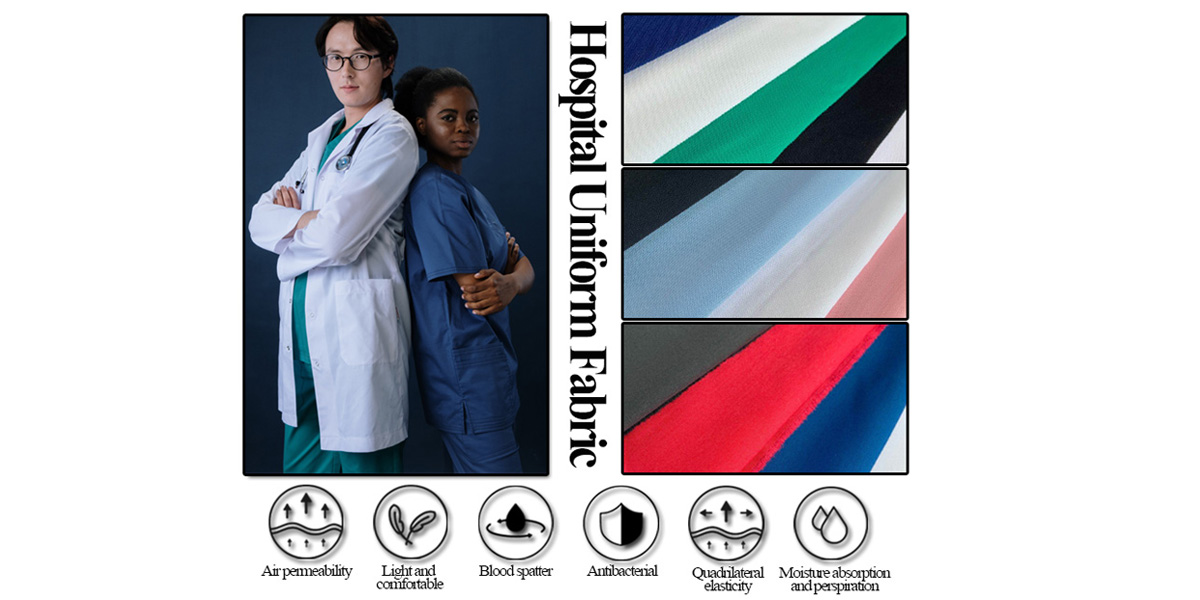
I see how the right healthcare fabric supports comfort, durability, and safety. When I wear scrub uniform fabric that manages heat and moisture well, I notice less fatigue and fewer headaches. A 2025 study shows that poor hospital uniform fabric can raise body temperature and stress. I prefer four way stretch scrub uniform fabric or polyester rayon scrub uniform fabric for flexibility.
Key Takeaways
- Choose scrub fabrics that offer softness, breathability, and four-way stretch to stay comfortable and move freely during long shifts.
- Look for durable fabrics that resist wear, tear, and repeated washing to keep your uniforms lasting longer and looking professional.
- Select uniforms with antimicrobial and water-resistant features to protect against germs and maintain skin health while supporting easy cleaning.
Comfort and Durability in Scrub Uniform Fabric
Softness and Skin-Friendliness
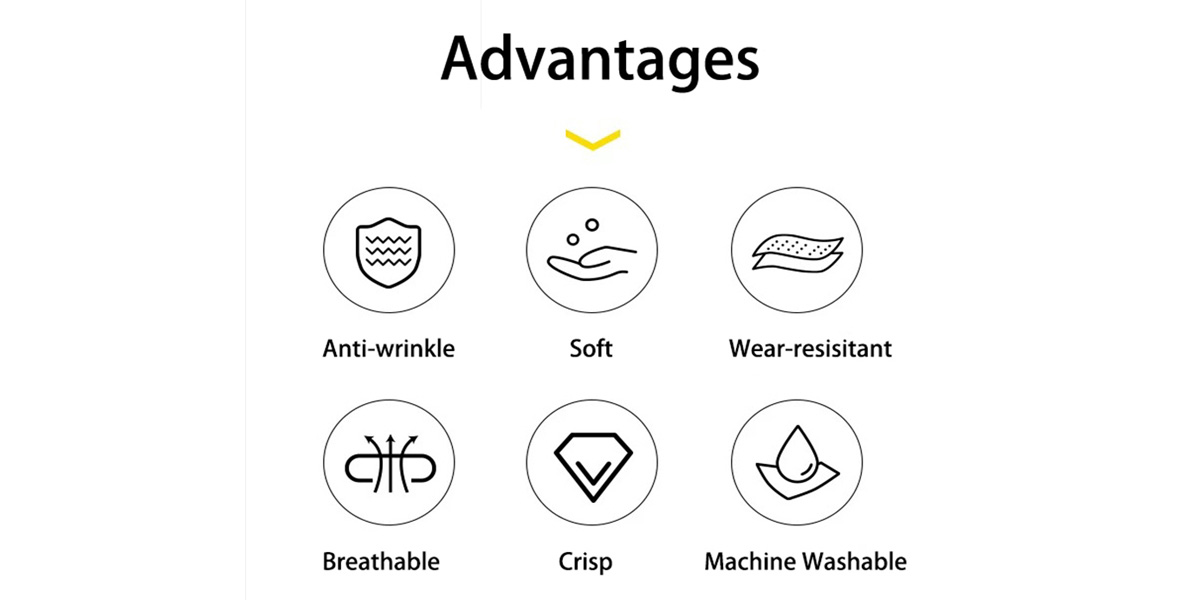
When I choose scrub uniform fabric, I always check for softness. My skin feels less irritated when I wear uniforms made from lightweight blends like polyester-cotton or cotton with a touch of spandex. These blends keep the fabric gentle against my skin. I notice that moisture-wicking properties help keep my skin dry, which prevents rashes and discomfort during long shifts. Antimicrobial finishes also make the fabric safer for my skin by reducing bacteria buildup. I prefer fabrics that stretch and move with me, as they reduce wrinkles and keep me comfortable all day.
Tip: Look for scrub uniform fabric with ergonomic design and a soft, breathable texture to avoid skin irritation.
Breathability and Temperature Regulation
I work in environments where temperature changes quickly. Breathable scrub uniform fabric helps me stay cool and dry. I learned that air permeability and moisture vapor transmission are key for comfort. Fabrics tested with ASTM D737 or ISO 9237 allow more air to pass through, which helps my body release heat. Moisture vapor transmission rates show how well the fabric lets sweat escape. When I wear uniforms with high breathability, I sweat less and feel less tired. This makes a big difference during long shifts.
Fit, Mobility, and Four-Way Stretch
A good fit matters to me. I need to move fast and bend often. Scrub uniform fabric with four-way stretch lets me reach, squat, and twist without feeling restricted. I have tried uniforms made from polyester-spandex blends, and they always feel more flexible. Brands like FIGS and Med Couture use these blends to give a secure fit and freedom of movement. Even a small amount of spandex, like 2-5%, improves comfort and mobility. I notice that these fabrics keep their shape after many wears, which helps me look professional.
- Four-way stretch supports:
- Bending and lifting
- Reaching overhead
- Quick movements in emergencies
Resistance to Wear and Tear
I want my uniforms to last. I know that scrub uniform fabric must resist rips, snags, and abrasion. Manufacturers use tests like the Martindale Abrasion Resistance Test to check how well fabrics hold up under stress. Tear strength and snag resistance are also important. I have seen that reinforced seams and double stitching add extra durability. Fabrics with fluid-repellent finishes last longer because they resist stains and damage from spills. When I wear uniforms made from high-quality blends, I see fewer signs of wear even after months of use.
Withstanding Repeated Washing and Sterilization
I wash my uniforms often. I need scrub uniform fabric that stays strong after many washes and sterilizations. Studies show that even after 20 cycles, good fabrics keep their microbial barrier. Some changes happen, like slight shrinkage or surface roughness, but the fabric still protects me. Woven fabrics tend to hold up better than knitted ones. I store my uniforms in controlled conditions to help them last longer. I trust fabrics that keep their integrity and barrier function over time.
Longevity and Tensile Strength
Longevity is a top priority for me. I want uniforms that do not tear or lose shape quickly. Tensile strength tests, like the ASTM D5034 Strip Test, measure how much force a fabric can take before breaking. Fabrics with high tensile strength last longer and keep me safe. I have read that polyester-rayon-spandex blends can withstand over 10,000 abrasion cycles. This means my uniforms stay strong and look good, even after heavy use. I rely on these fabrics to support me through every shift.
| Fabric Blend | Durability | Comfort | Stretch | Breathability |
|---|---|---|---|---|
| Polyester-Cotton | High | High | Low | High |
| Polyester-Spandex | Very High | High | Very High | High |
| Polyester-Rayon-Spandex | Very High | Very High | High | High |
Hygiene, Functionality, and Additional Considerations
Antimicrobial and Infection Control Properties
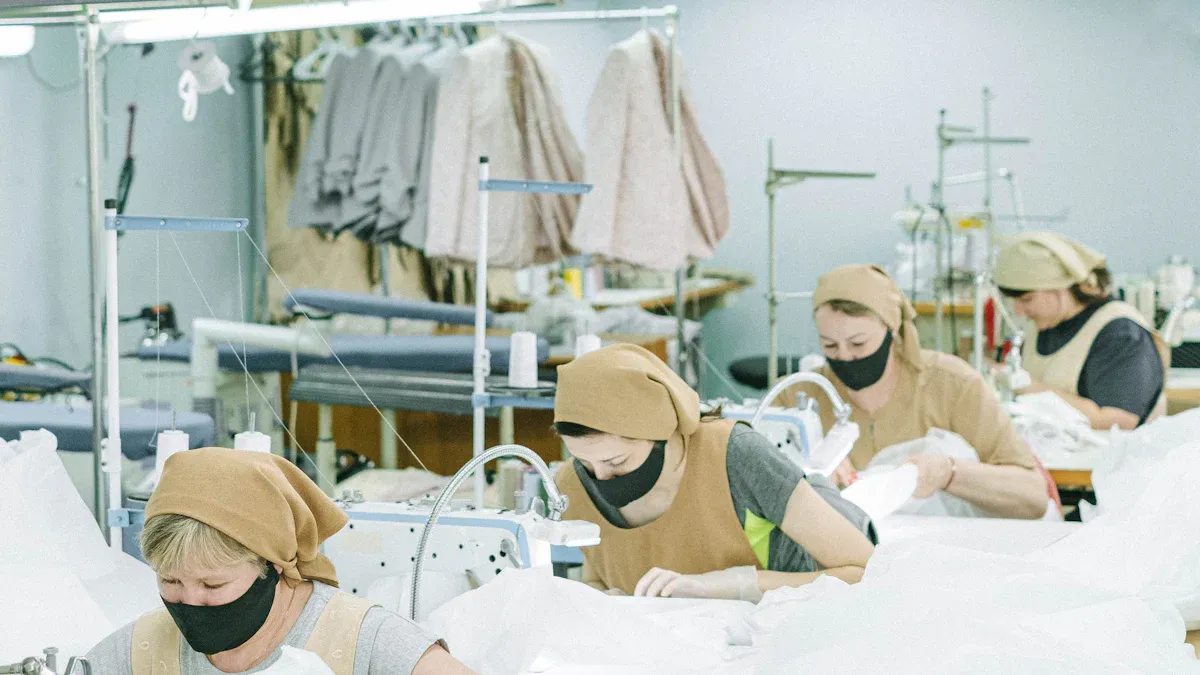
I always look for uniforms that help protect against germs. Fabrics treated with antimicrobial agents like silver ions, copper, or quaternary ammonium compounds can kill bacteria and slow their growth. In the lab, these agents stop microbes from sticking to the fabric and forming dangerous layers called biofilms. This helps lower the risk of infection and keeps uniforms cleaner for longer. I know that some bacteria, even the tough ones, can survive on regular hospital fabrics for months. That is why I prefer uniforms with built-in antimicrobial protection.
Researchers have tested different fabrics and treatments. For example, cotton with silver nanoparticles can stop the growth of common bacteria and fungi. Some studies show that copper-treated linens help reduce infections in patients. However, not all antimicrobial uniforms work the same way in real hospitals. Some do not lower the number of germs on staff uniforms, but they work better for patient bedding and clothing. I always check if the fabric has been tested in real healthcare settings.
| Study & Type | Fabric | Antimicrobial Agent | Setting | Key Findings | Limitations |
|---|---|---|---|---|---|
| Irfan et al. (2017) | Cotton | Silver nanoparticles | Surgical gowns | Stops S. aureus and C. albicans; partial effect on E. coli | Only tested in lab, not on people |
| Anderson et al. (2017) | Cotton-polyester | Silver alloy, quaternary ammonium | ICU nurses’ scrubs | No big drop in germs compared to regular scrubs | Small study, only two ICUs |
| Gerba et al. (2016) | Cotton | Silver impregnation | Uniforms, linens | Works against many germs, but not C. difficile spores | No real-life tests |
| Groß et al. (2010) | Not specified | Silver impregnation | Ambulance uniforms | No drop in germs; sometimes more germs | Small group, no control group |
| Multiple studies | Bed linens, clothing | Copper oxide | Patient linens | Fewer germs and infections | Hard to prove fabric alone caused this |
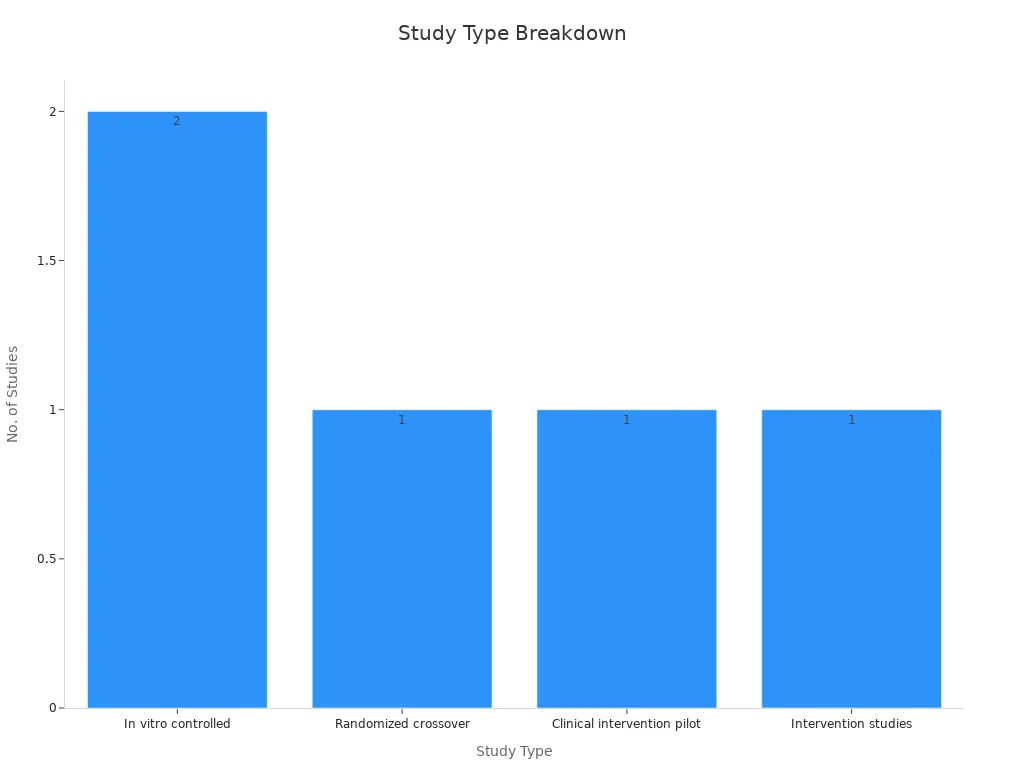
Note: Antimicrobial fabrics show promise, but I know more research is needed to prove their full value in real hospitals.
Water Resistance and Moisture Management
I need uniforms that keep me dry and comfortable. Water-resistant fabrics stop spills and splashes from soaking through. Moisture-wicking fabrics pull sweat away from my skin, helping me stay cool and avoid rashes. Good moisture management also protects my skin barrier, which is important for health.
Experts use special tools to measure how well fabrics manage water and moisture. They check skin hydration with electrical tests and measure water loss from the skin using evaporimetry. These tests help show if a fabric keeps skin healthy and dry. I trust uniforms that pass these tests because they help me avoid skin problems during long shifts.
| Parameter Tested | Measurement Method(s) | Clinical Relevance |
|---|---|---|
| Skin hydration | Electrical conductance, capacitance, skin impedance | Shows how well the fabric keeps skin moist and healthy |
| Transepidermal water loss (TEWL) | Evaporimetry, topological data analysis | Checks if the fabric protects the skin barrier and prevents dryness |
Tip: I always choose uniforms with proven moisture-wicking and water-resistant features for better comfort and skin health.
Ease of Cleaning and Maintenance
I want uniforms that are easy to clean and keep looking new. Fabrics with fluid resistance, stain resistance, and smooth surfaces make cleaning simple. I have seen that hospitals test fabrics by applying cleaners like bleach or hydrogen peroxide, then wiping and drying them. Good fabrics do not change color, get sticky, or crack after many cleanings.
Cleaning protocols matter. The CDC says it is important to remove dirt before washing, use the right temperature and detergents, and handle clean uniforms carefully. Dry cleaning alone does not kill germs unless combined with heat. I always follow these steps to keep my uniforms safe and long-lasting.
- Choose fabrics with fluid and stain resistance.
- Clean with hospital-approved disinfectants.
- Avoid fabrics with textures or fasteners that trap dirt.
- Use removable covers for easy washing.
- Make sure the fabric can handle repeated cleaning without damage.
Pro Tip: I check the care label and follow hospital cleaning protocols to keep my uniforms in top shape.
Design Features for Professional Needs
I rely on uniforms that support my work. The best designs use fabrics like cotton or polyester blends for stretch, durability, and comfort. Antibacterial and fluid-resistant finishes add safety. I like uniforms with pockets in the right places, so I can reach my tools quickly. Adjustable features like drawstrings or elastic bands help me get the perfect fit.
- Breathable fabrics keep me cool during long shifts.
- Non-constricting necklines and sleeves let me move freely.
- Easy closures like zippers or Velcro save time.
- Snap-button sleeves and tear-away panels help in emergencies.
- Customization options let me show my role or department.
I always look for uniforms that match my job needs and help me work safely and efficiently.
Sustainability and Eco-Friendliness
I care about the environment, so I choose uniforms made with sustainability in mind. Life Cycle Assessment (LCA) helps measure the impact of fabrics from raw materials to disposal. LCA looks at energy use, water use, pollution, and waste. This helps companies make better choices and reduce harm to the planet.
- LCA covers every stage: making, using, and throwing away the fabric.
- It checks energy, water, greenhouse gases, and waste.
- LCA helps get eco-labels and certifications.
- New technology makes it easier to track and improve sustainability.
- Case studies show that LCA leads to less waste and better resource use.
I support brands that use LCA and eco-friendly practices to protect our future.
Cost-Effectiveness
I know that high-quality uniforms cost more at first, but they save money over time. Premium uniforms last longer, reduce the need for replacements, and help prevent infections. This means fewer sick days and lower staff turnover. Good uniforms also help hospitals avoid fines by meeting safety rules.
- Premium uniforms lower infection rates and sick leave.
- They last longer, so I buy new ones less often.
- Better comfort and safety improve my work and patient care.
- Hospitals save money by avoiding fines and legal trouble.
- One-size-fits-all options make inventory easier.
Investing in quality uniforms pays off for both staff and hospitals.
Compliance with Healthcare Standards
I always check that my uniforms meet healthcare standards. These rules make sure fabrics are safe, clean, and fit for medical work. Standards cover things like fluid resistance, antimicrobial properties, and durability. Meeting these rules protects me, my coworkers, and my patients.
- Uniforms must pass tests for safety and performance.
- Hospitals follow guidelines from groups like OSHA and the CDC.
- Compliance helps avoid legal issues and keeps everyone safe.
I trust uniforms that meet or exceed healthcare standards, knowing they help me deliver the best care possible.
I believe the best scrub uniform fabric combines comfort, durability, hygiene, and functionality. I look for these qualities:
- Lasts for years, even with frequent cleaning
- Supports infection control with easy disinfectant compatibility
- Offers calming colors and textures for well-being
- Meets strict certification standards
FAQ
What fabric blend do I recommend for daily hospital use?
I always choose polyester-rayon-spandex blends. These fabrics feel soft, stretch well, and last through many washes.
Tip: Look for blends with at least 2% spandex for extra comfort.
How do I keep my scrubs looking new after many washes?
I wash my scrubs in cold water and avoid harsh bleach. I dry them on low heat.
- Use gentle detergent
- Remove promptly from dryer
Are antimicrobial uniforms safe for sensitive skin?
I find most antimicrobial uniforms safe. I check for skin-friendly certifications and avoid harsh chemical finishes.
| Fabric Type | Skin Safety |
|---|---|
| Cotton Blend | High |
| Polyester | Moderate |
Post time: Jun-24-2025