

I often notice how my white cotton shirt fabric looks less vibrant after a few washes. Stains on white suits fabric appear quickly. When I use white polyester viscose blended suit fabric or white worsted wool fabric for suit, brightness fades from exposure to sweat. Even white polyester cotton blended fabric for shirt collects residue fast.
Key Takeaways
- White fabric loses brightness mainly due to sweat, oils, detergent residue, hard water minerals, and color transfer from other clothes.
- Using the right detergent amount, washing whites separately in warm water, and treating stains quickly keeps fabric bright and fresh.
- Drying on low heat or air drying and storing clothes clean in cool, dry places prevents damage and yellowing over time.
Why Fabric Loses Its Brightness
Chemical Reactions with Sweat, Oils, and Pollutants
I have seen firsthand how sweat and body oils can quickly discolor white fabric. When I wear white shirts, especially in warm weather, yellow stains often appear in the underarm area. These stains result from several chemical reactions:
- Aluminum compounds in antiperspirants mix with sweat and fabric, causing discoloration.
- Sweat contains proteins, salts, and minerals that interact with aluminum, producing yellowish stains.
- Body oils and skin debris combine with sweat and deodorants, intensifying discoloration.
- Fabrics like cotton absorb sweat and oils more readily, making stains more visible.
- Infrequent washing allows residues to embed into fibers, worsening discoloration.
I notice that the type of fabric and how often I wash it both influence how severe these stains become. Quick laundering and choosing the right antiperspirant help reduce this problem.
Detergent, Bleach, and Additive Misuse
Many people believe that using more detergent or bleach will keep whites brighter. My experience tells me otherwise. Excessive detergent leaves residues that attract dirt, causing a dull or gray appearance. Overusing bleach, especially on synthetic fabrics, leads to yellowing and weakens the fibers. I always recommend using the correct amount of detergent and diluting bleach properly. For cotton, I use bleach sparingly and avoid long soaking times. For synthetics, I choose gentle whitening agents instead of chlorine bleach.
Tip: Always measure detergent and bleach carefully. More is not better when it comes to keeping white fabric bright.
Hard Water and Mineral Deposits
Living in an area with hard water, I have struggled with white fabric turning gray or feeling stiff. Hard water contains high levels of calcium and magnesium. These minerals reduce detergent effectiveness and cause residue buildup. Over time, mineral deposits make fabric appear dingy and rough. I often see soap scum and detergent buildup, which attract dirt and odors. To combat this, I use water softeners or detergents designed for hard water.
Common Effects of Hard Water on White Fabric:
- Calcium and magnesium react with detergents, forming residue.
- Mineral deposits cause whites to look gray or yellowed.
- Fabrics become stiff and scratchy.
- Soap scum traps dirt and bacteria, reducing freshness.
Residue and Product Buildup on Fabric
Residue from laundry products is a hidden culprit behind dull white fabric. I have noticed that undissolved powdered detergent, especially in cold water, leaves visible marks. Using too much detergent or fabric softener prevents proper rinsing, resulting in a greasy or waxy film. Overloading the washer also limits water flow, leaving residues behind. Hard water minerals further contribute to this buildup.
- Undissolved powdered detergent can cling to fabric fibers.
- Excess detergent or fabric softener leaves visible residue.
- Hard water minerals react with detergents, forming insoluble salts.
- Overloading the washer reduces cleaning effectiveness.
I recommend using liquid detergents, washing in warm water, and avoiding overfilling the machine. Selecting an extra rinse cycle helps remove residues.
Color Transfer from Other Fabrics
Color transfer remains one of the most frustrating issues I face when washing whites. Color bleeding happens when dyes from colored clothes leach into the wash water and stain white items. Deeply dyed garments, especially reds and blues, are most prone to this problem. Poor dye quality, hot water, and mixing new colored clothes with whites increase the risk.
- Color bleeding occurs when fabric dye leaches out during washing.
- Dark or new colored garments are most likely to transfer color.
- Washing unsorted loads and using high temperatures increase the risk.
- Cold water reduces dye bleeding, but I always wash whites separately for best results.
Overdrying and Heat Damage
I have learned that overdrying white fabric in a hot dryer can cause more harm than good. High heat damages fibers, making them brittle and more likely to trap dirt and stains. Over time, this leads to a dull, lifeless appearance. I prefer to dry whites on a lower heat setting or air dry them when possible. This approach helps preserve both brightness and fabric integrity.
Oxidation and Storage Issues
Long-term storage can also rob white fabric of its brightness. Oxidation, a chemical process accelerated by light and humidity, causes yellowing and weakens fibers. I store my whites in cool, dry, and dark environments to minimize this effect. Exposure to sunlight, fluctuating temperatures, and environmental pollutants all contribute to yellowing.
- High humidity accelerates yellowing.
- Extreme or fluctuating temperatures harm fabric preservation.
- Direct sunlight initiates chemical reactions that cause yellowing.
- Pollutants and chemical fumes react with fibers, leading to discoloration.
- Adequate air circulation and periodic rotation of stored textiles help prevent damage.
Note: Using protective coatings or antioxidant treatments can help preserve the brightness and strength of white fabric during storage.
How to Keep White Fabric Bright
Proper Washing and Separating Techniques
I always start by sorting laundry carefully. Washing white items separately from colored clothes prevents color transfer and keeps whites bright. Even subtle dye bleeding from dark fabrics can cause gradual dullness. I use hot water settings for white loads, which helps remove dirt and maintain brightness. I avoid overloading the washing machine because crowded loads do not clean effectively. I pre-treat stains by soaking them in warm water with a gentle detergent before washing. This step removes embedded dirt and prevents stains from setting.
- Pre-treat stains promptly in warm water with gentle detergent.
- Wash whites separately using hot water.
- Avoid overloading the washing machine.
- Use softened water if possible.
- Add whitening agents like baking soda, white vinegar, or hydrogen peroxide.
- Employ optical brighteners for a whiter appearance.
Tip: Consistent care and prompt stain removal are essential for keeping white fabric looking new.
Choosing the Right Detergents and Additives for Fabric
Selecting the right detergent makes a significant difference. I look for detergents with optical brighteners, which absorb UV light and re-emit blue light, making whites appear brighter. I prefer formulas that clean deeply without damaging fibers. For sensitive skin, I choose hypoallergenic and fragrance-free options. When dealing with tough stains, I use detergents with effective stain removers and anti-greying technology. Enzyme-based additives work well for removing natural pigments and impurities under mild conditions, preserving fabric strength and longevity.
| Detergent Name | Key Features | Ideal Use Case |
|---|---|---|
| Tide Plus Bleach Alternative | Enzymes and bleach alternative for stain removal and brightening | Everyday white garments |
| Persil ProClean + Bright & White | Deep-cleaning with brightening agents; gentle on skin | High-use white fabrics |
| OxiClean White Revive | Color-safe bleach alternative; revives old whites | Old or yellowed white garments |
| Arm & Hammer Plus OxiClean | Baking soda freshness with stain fighters | Sportswear and socks |
| Seventh Generation Free & Clear | Plant-based, dye- and fragrance-free | Sensitive skin, eco-conscious homes |
| Sunshine Industrial Corporation Powder | Professional stain removal and whitening; effective in hard water | Business clients, international use |
Enzyme-based additives offer a safer, eco-friendly alternative to traditional chemical bleaches. They remove stains and brighten fabric without harsh reactions, reducing water and energy use.
Managing Hard Water for Fabric Care
Hard water can make white fabric look dull and feel stiff. I address this by using water softeners, which remove minerals like calcium and magnesium. This process keeps fabric soft and prevents yellowish or grayish tints. I sometimes add vinegar during the rinse cycle to remove soap residue and soften fabric. For stubborn mineral stains, I soak clothes in a solution of white distilled vinegar before washing. Using detergents formulated for hard water, especially liquid types with enzymes or bleach, improves cleaning results.
| Impact of Hard Water on White Textiles | How Water Softeners Help |
|---|---|
| Hard water minerals bond with fabric fibers causing yellowish or grayish tints on whites. | Water softeners reduce mineral deposits, resulting in brighter whites. |
| Hard water causes fabrics to become stiff, dull, and dingy over time. | Softened water keeps fabrics softer and fresher. |
| Hard water reduces detergent effectiveness, requiring more detergent use. | Soft water improves detergent performance, allowing less detergent and better cleaning. |
| Hard water minerals cause abrasive wear on fabrics, leading to fraying and deterioration. | Softened water is gentler, extending fabric life and maintaining softness. |
Effective Stain Removal for White Fabric
I act quickly when stains appear. Early treatment, ideally within 24 hours, greatly increases the chance of restoring brightness. For protein-based stains like blood or dairy, I use enzyme-containing products and soak the fabric before washing in hot water. For grease and oil, I apply a prewash stain remover and wash in the hottest water safe for the fabric. Tannin stains, such as wine or juice, respond well to soaking in cool water and pretreatment with a stain remover. For dye transfer, I use color removers and, if needed, a safe bleach. I always follow care labels and test treatments on hidden areas.
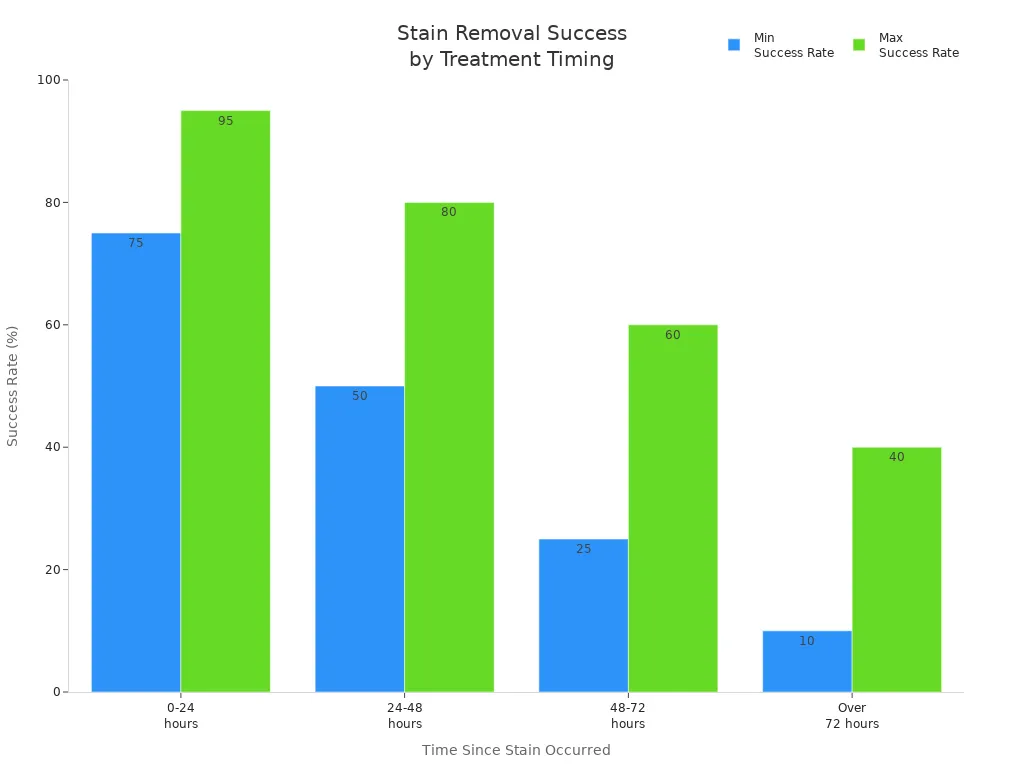
Note: The sooner I treat a stain, the higher the success rate. After 72 hours, stains become much harder to remove.
Safe Whitening Alternatives for Fabric
I often use natural whitening methods for a gentle approach. Sunlight acts as a natural bleaching agent, brightening white clothes without chemicals. Baking soda and distilled white vinegar break down stains, deodorize, and soften fabric. I sometimes soak clothes in a baking soda solution or add vinegar to the rinse cycle. Lemon juice, especially when combined with sunlight, removes stains and leaves a fresh scent. Hydrogen peroxide offers a safe, effective alternative to chlorine bleach. Oxygen-based bleaches provide strong whitening without damaging fibers.
| Natural Whitening Alternative | Mechanism / Benefits | Usage Instructions | Safety and Fabric Compatibility |
|---|---|---|---|
| Hydrogen Peroxide | Whitens and disinfects | Add 1 cup to bleach dispenser or drum | Safe for most fabrics |
| Lemon Juice | Breaks down stains, brightens | Add ½ cup to detergent or soak, dry in sunlight | Avoid on delicate fabrics |
| Baking Soda | Brightens, deodorizes | Add ½ cup to detergent | Gentle on most fabrics |
| Distilled White Vinegar | Dissolves residue, softens | Add 1 cup to rinse cycle | Avoid on silk and wool |
| Oxygen Bleach | Breaks down stains | Add to laundry as directed | Safe, non-toxic |
| Sunlight | Natural bleaching | Dry outside in direct sunlight | Avoid prolonged exposure on delicates |
While natural methods are eco-friendly, commercial whitening products like oxygen-based bleaches deliver stronger and more consistent results.
Best Drying and Storage Practices for Fabric
Proper drying and storage keep white fabric bright. I prefer air drying by hanging clothes on a rack or line, ensuring enough space for air circulation. I avoid direct sunlight, which can cause yellowing or fading. When using a dryer, I select low to medium heat and remove items while slightly damp to prevent stiffness and wrinkles. For storage, I use breathable fabric garment bags or cotton sheets instead of plastic. I always wash clothes before storing them to prevent stains from setting. Acid-free tissue paper helps prevent yellowing and color transfer.
- Store white clothes in a cool, dry place away from sunlight.
- Use breathable storage materials.
- Avoid plastic bags or containers.
- Always store clean, dry clothes.
Tip: These practices help maintain the brightness and integrity of white fabric over time.
I keep my whites bright by following a few essential habits:
- I always wash whites separately and use the right detergent amount.
- I pretreat stains quickly and avoid overdrying.
- I store clean, dry clothes in breathable containers and check for stains before drying.
Consistent routines make a visible difference.
FAQ
How often should I wash white fabric to keep it bright?
I wash my white clothes after every wear. This prevents sweat and oils from setting in. Frequent washing keeps fabric looking fresh and bright.
Can I use bleach on all types of white fabric?
I avoid bleach on delicate fabrics like silk or wool. For cotton, I use diluted bleach sparingly. I always check care labels before using any whitening agent.
What should I do if my white fabric turns yellow?
I soak the fabric in a solution of baking soda and warm water. For stubborn yellowing, I use hydrogen peroxide or an oxygen-based bleach. Quick action restores brightness.
Post time: Aug-13-2025