

The landscape of B2B medical apparel procurement across Latin America is undergoing a massive shift. Private clinics, dental hospitals, and specialized surgical centers in Brazil, Mexico, Colombia, and Argentina are rapidly upgrading their safety and comfort standards. Traditional cotton uniforms are being replaced by high-performance, specialized medical textiles.
Driven by heightened hygiene awareness, rigorous cross-infection controls, and the expansion of premium private healthcare networks, medical buyers are prioritizing advanced technical textiles. The major focus is on innovative, multi-functional products that feature water repellent scrub fabric and specialized finishes capable of resisting fluid penetration and bacterial colonization.
1. The Growing Demand for Fluid Barrier and Silver-Ion Antimicrobial Fabrics in Private Clinics and Dental Practices
Private dental care clinics and outpatient facilities operate in high-risk environments prone to frequent blood splashes, saliva aerosols, and body fluid contact. For these medical professionals, basic apparel no longer suffices. Private healthcare procurement agents in Latin America are actively sourcing woven scrub fabric with superior fluid-barrier properties to protect their clinical teams from contaminants.
By integrating water repellent scrub fabric, liquids bead up and roll off the surface immediately, preventing hazardous contaminants from soaking into the garment.
To complement this chemical and fluid resistance, the application of silver-ion antimicrobial coatings has become standard practice. Silver ions effectively disrupt bacterial cell membranes, preventing microbial growth and neutralizing sweat odors during grueling shifts.
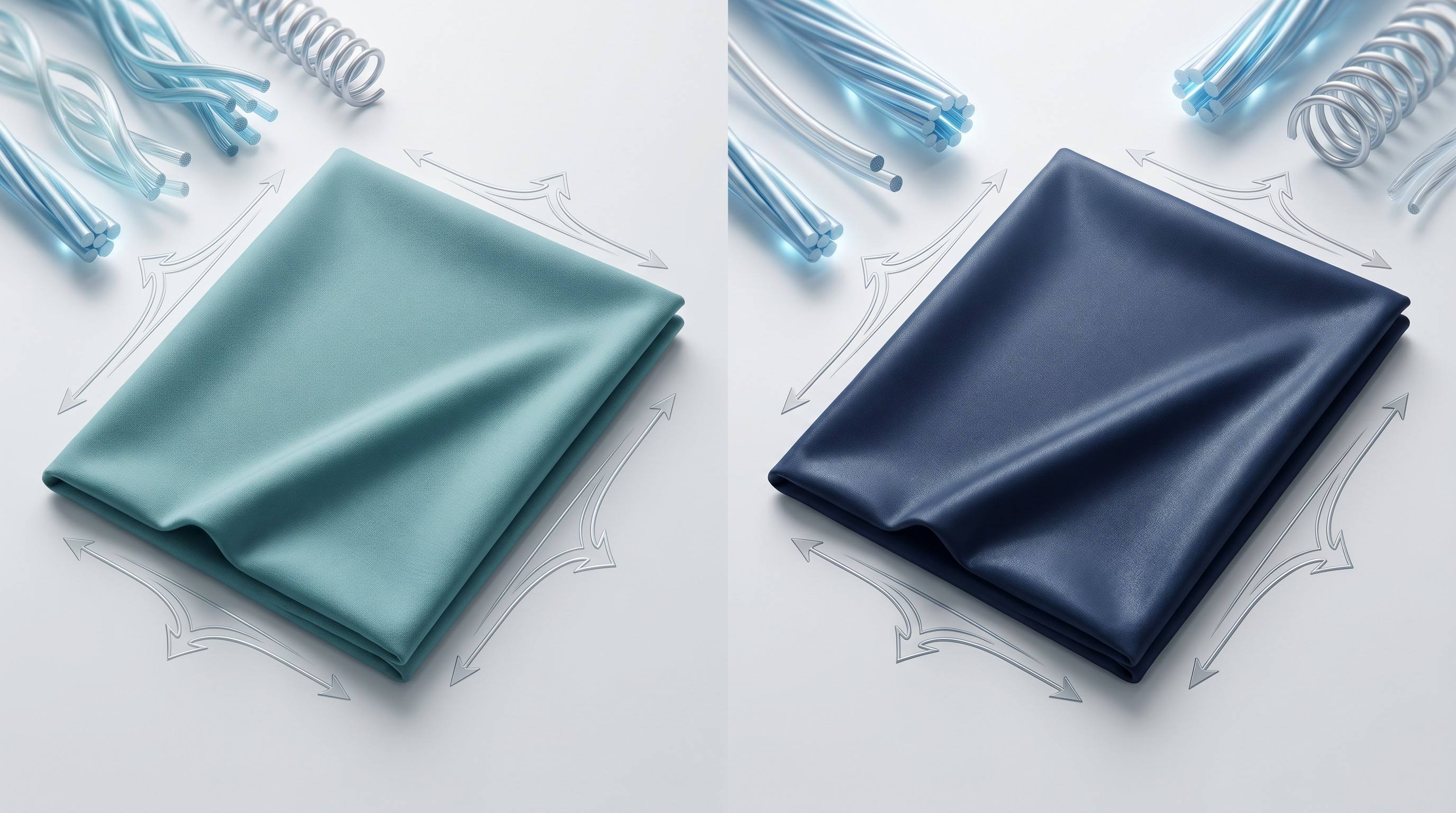
2. Navigating Material Performance: The Elite Fabric Blends Reshaping Medical Workwear
To satisfy the demanding requirements of Latin American private hospital groups, global suppliers must offer high-tech synthetic fiber blends. Medical uniform manufacturers are pivoting toward advanced compositions that balance structural integrity with athletic flexibility.
The Gold Standard: TRSP (72 Polyester 21 Rayon 7 Spandex Scrub Fabric)
Among premium medical apparel brands, the 72 polyester 21 rayon 7 spandex scrub fabric—frequently referred to in the industry as TRSP—has emerged as the clear market leader.
-
Polyester (72%) ensures excellent color fastness, long-term durability, and resistance to harsh industrial laundering.
-
Rayon (21%) infuses the fabric with silk-like softness, cooling properties, and moisture-wicking breathability, eliminating the clammy feel of traditional plastics.
-
Spandex (7%) creates a high-performance four way stretch fabric for scrub sets that allows medical staff to bend, lift, and reach without physical restriction.
The Lightweight Alternative: 92 Polyester 8 Spandex Fabric
For hotter regional climates in northern Latin America or specialized high-intensity surgical departments, a higher synthetic composition is highly sought after. Utilizing a lightweight 92 polyester 8 spandex fabric delivers an incredibly resilient, fast-drying, and virtually wrinkle-free uniform.
This blend excels in moisture-wicking capabilities and offers ultra-fluid drape aesthetics, making it a favorite for modern, retail-inspired private medical brands looking to project a sleek corporate identity.

3. Why International Compliance and Certifications Are Crucial for B2B Customs Clearance and Distribution
Engineering premium woven scrub fabric is only half the battle; validating its safety and performance through international compliance standards is what secures wholesale contracts. For Latin American B2B importers, navigating strict national health regulations (such as ANVISA in Brazil or COFEPRIS in Mexico) requires comprehensive documentation.
[Fabric Production] ➔ [SGS Antimicrobial Testing] ➔ [OEKO-TEX Chemical Safety] ➔ [Smooth Customs Clearance]
Critical Compliance Factors for B2B Buyers:
SGS Certification: Independent validation from SGS proves that antimicrobial finishes retain their efficacy against bacteria even after 50+ high-temperature industrial wash cycles.
OEKO-TEX Standard 100: Guarantees that the four way stretch fabric for scrub production is entirely free from harmful chemical substances and skin irritants, a vital parameter for dermatological safety over 12-hour shifts.
For international fabric manufacturers exporting to Latin America, holding verified SGS and OEKO-TEX certifications completely slashes customs clearance delays. It gives private hospital procurement managers absolute confidence to sign long-term supply contracts, knowing the materials meet rigorous international biosecurity standards.

Yunai Textile
Post time: Jul-01-2026