
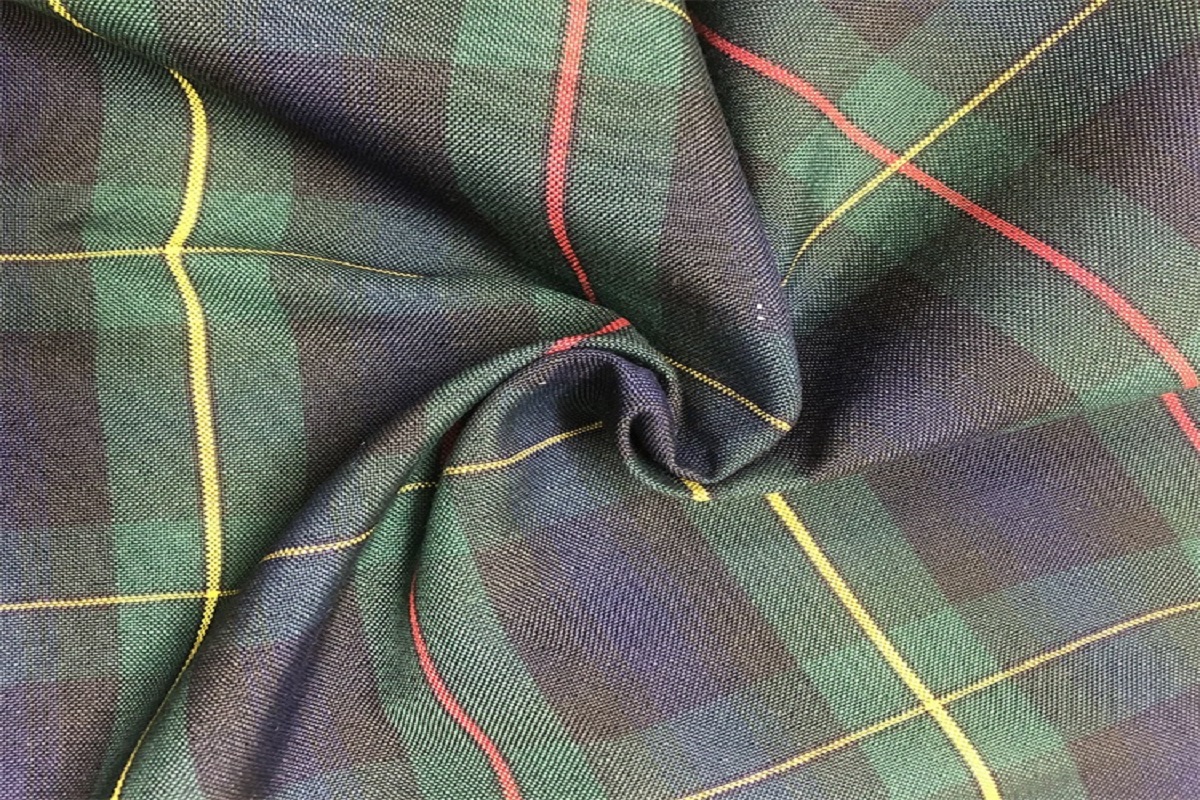
Choosing the right fabric for school uniforms is crucial. Common fabric types for school uniforms include polyester, cotton, and blends, each offering unique benefits. Polyester and polyester-cotton blends dominate the market, making up about 30% of it in 2024. The choice of fabric for school uniforms significantly affects comfort, durability, and the overall appearance of uniforms. For instance, many students prefer the comfort of sport uniforms over traditional styles, which can restrict movement. Additionally, options like jumper plaid fabric, skirt plaid fabric, skort plaid fabric, and dress plaid fabric provide stylish alternatives that can enhance the uniform experience while maintaining a polished look.
Key Takeaways
- Choosing the right fabric for school uniforms affects comfort, durability, and appearance. Consider options like cotton for breathability and polyester for strength.
- Blended fabrics, such as cotton-polyester, offer a balance of comfort and durability. They resist wrinkling and are easier to care for, making them a popular choice.
- Climate matters when selecting fabric. Use lightweight materials like cotton in warm weather and opt for wool or flannel in colder climates to keep students comfortable.
Overview of Fabric Types for School Uniform
Natural Fabrics
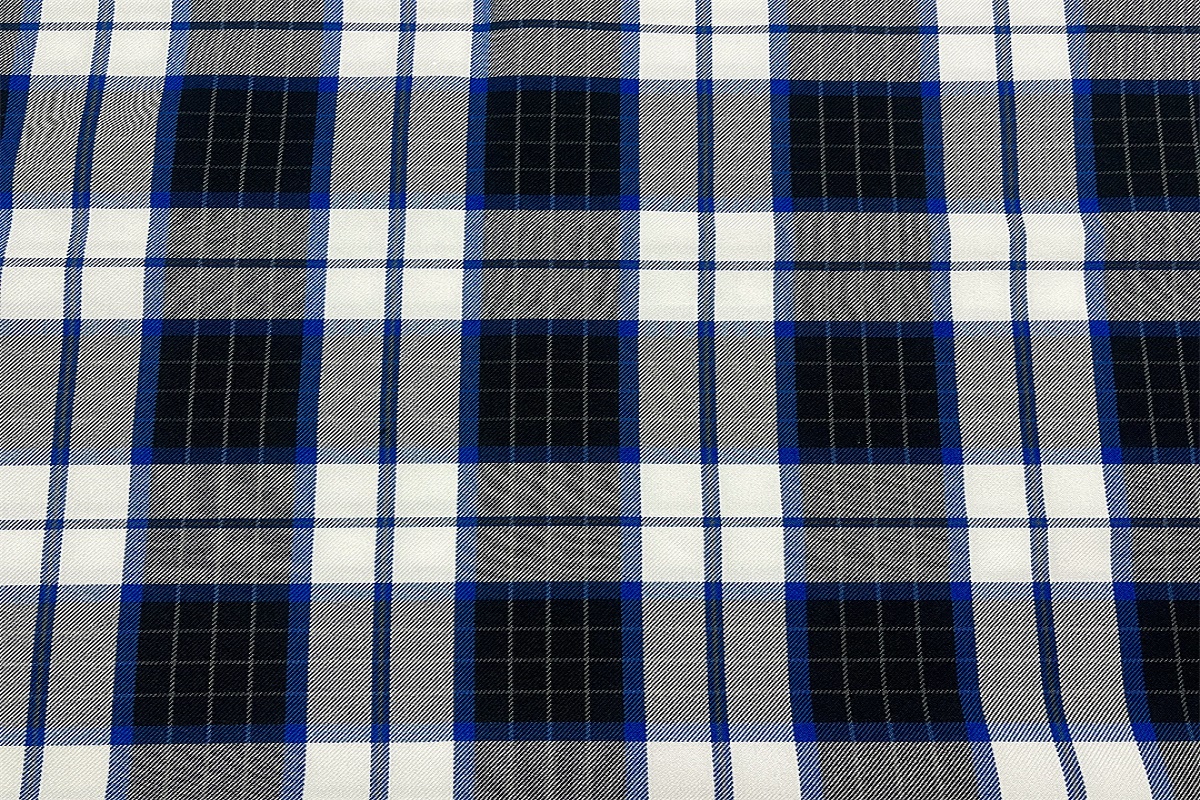
Natural fabrics, derived from plants and animals, play a significant role in school uniforms. Common examples include cotton and wool. Cotton is highly breathable, making it ideal for warm climates. It is soft, reducing irritation for children, and absorbs moisture, keeping students comfortable throughout the day. Wool, on the other hand, serves as a natural insulator, providing warmth during colder months. It also maintains breathability, preventing overheating, and is known for its durability, ensuring uniforms retain their shape over time.
Synthetic Fabrics
Synthetic fabrics, such as polyester and nylon, are manufactured from chemical compounds. These materials offer several advantages for school uniforms. Polyester is particularly strong and stain-resistant, making it suitable for active students. It requires less maintenance, as it does not wrinkle easily and retains its brightness and color after multiple washes. Additionally, synthetic fabrics are generally more affordable than their natural counterparts, providing cost-effective options for schools and parents alike.
Fabric Blends
Fabric blends combine the best characteristics of natural and synthetic fibers. For instance, cotton-polyester blends enhance durability while maintaining comfort. These blends often resist wrinkling and shrinking, making them easier to care for. Schools increasingly favor blended fabrics due to their versatility and improved performance. They offer a balance of breathability, durability, and cost-effectiveness, making them a popular choice for school uniforms.
Detailed Analysis of Each Fabric Type
Cotton
Cotton remains a popular choice for school uniforms due to its numerous benefits. This natural fabric is breathable, allowing air circulation that helps prevent overheating and sweating. Its softness makes it gentle on the skin, reducing irritation and allergies, which is particularly important for children. Cotton also excels in moisture absorption, keeping students dry and comfortable throughout the day. However, pure cotton can wrinkle and shrink, which may negatively impact durability and ease of maintenance. To address these issues, many schools opt for cotton blends, such as poly-cotton, which enhance durability while maintaining comfort.
Polyester
Polyester is another widely used fabric for school uniforms, known for its durability and low maintenance. The table below summarizes its key properties:
| Aspect | Description |
|---|---|
| Durability | The fabric resists fading and color bleeding, ensuring it remains vibrant even after multiple washes. |
| Maintenance | Easy to care for, maintaining its quality over time without significant wear. |
| Comfort | The fabric is designed to be comfortable for daily wear, suitable for school environments. |
Polyester’s strength and stain resistance make it ideal for active students. It requires less maintenance than natural fabrics, making it a practical choice for busy families.
Cotton-Polyester Blends
Cotton-polyester blends combine the softness of cotton with the durability of polyester, making them suitable for various climates and activities. These blends are known for their comfort and resilience. They are wrinkle-resistant and generally more affordable than pure cotton or polyester, enhancing their practicality for school uniforms.
Benefits of cotton-polyester blends include:
- Durable and affordable
- Colorfast and easy to wash
- Resistant to shrinking
However, they can retain heat in warm climates and may have lower moisture-wicking properties than pure cotton.
Twill Fabric
Twill fabric is recognized for its exceptional durability and stain resistance. Its unique diagonal weave provides several advantages for school uniforms:
- Twill is resistant to tears and abrasions, making it ideal for active students.
- The tight weave helps maintain shape and color after frequent washing.
- Its diagonal pattern aids in hiding stains effectively.
Additionally, high thread count minimizes wrinkling and creasing, ensuring uniforms look neat and polished.
Oxford Weave
Oxford weave is another popular choice for school uniforms, known for its polished appearance and durability. The table below compares oxford weave to other weaves:
| Weave Type | Durability | Appearance |
|---|---|---|
| Oxford | High | Polished |
| Twill | Medium | Casual |
| Poplin | Low | Smooth |
Oxford fabric offers a refined look, making it suitable for formal school settings while maintaining durability.
Poplin Fabric
Poplin fabric is lightweight and comfortable, making it ideal for daily wear. The table below outlines its main characteristics:
| Characteristic | Description |
|---|---|
| Fiber Composition | Cotton-polyester blends (e.g., 65/35) balance comfort and durability. |
| Weave Type | Poplin is lightweight, making it comfortable for daily wear. |
| Fabric Weight | Ranges from 110gsm to 130gsm; heavier weights are better for colder climates. |
| Maintenance Properties | Low-maintenance, suitable for institutions needing long-lasting garments. |
Poplin’s low-maintenance nature makes it a practical option for schools.
Wool
Wool is a natural fabric that offers unique benefits for school uniforms, especially in cooler climates. The table below summarizes its pros and cons:
| Pros | Cons |
|---|---|
| Naturally breathable and insulating | Can shrink if not handled properly |
| Renewable and biodegradable | Often more expensive |
| Great moisture-wicking properties | Requires special care (hand washing or dry cleaning) |
Wool’s breathability and insulation make it suitable for maintaining comfort throughout the school day.
Spandex Blends
Spandex blends enhance the functionality of school uniforms by providing comfort and flexibility. Key benefits include:
- Spandex allows garments to stretch and move with the body, essential for daily activities and physical education.
- Its moisture-wicking properties help manage sweat, keeping students comfortable during active use.
- Blending spandex with other materials improves the overall fit and longevity of school uniforms.
Other Fabrics
While cotton, polyester, and blends dominate the market, other fabrics also play a role in school uniforms. For instance, gabardine is highly durable and resistant to wrinkles and abrasions, making it suitable for rainy climates. Additionally, it maintains a neat appearance, ideal for formal settings.
| Fabric | Unique Benefits |
|---|---|
| Wool | Excellent insulation for warmth in cold weather. |
| Breathable, helping to regulate body temperature. | |
| Durable, maintaining shape and appearance over time. | |
| Gabardine | Highly durable and resistant to wrinkles and abrasions. |
| Water-resistant due to its tight weave, suitable for rainy climates. | |
| Maintains a neat and structured appearance, ideal for formal settings. | |
| Twill | Resistant to tears and abrasions, making it suitable for active students. |
| Stain-resistant, keeping uniforms looking clean. | |
| Soft and comfortable, suitable for everyday wear. |
These fabrics offer additional options for schools seeking to provide quality uniforms.
Factors to Consider When Choosing Fabric for School Uniform

Comfort and Breathability
Comfort and breathability are paramount when selecting fabric for school uniforms. Students spend long hours in their uniforms, making it essential for the fabric to allow for adequate air circulation. Natural fibers like cotton excel in this area, providing softness and moisture absorption. In contrast, 100% polyester, while durable, can lead to overheating due to its lower breathability.
When considering blended fabrics, a cotton-polyester mix offers a balanced solution. This blend combines the comfort of cotton with the durability of polyester, making it suitable for various activities. Educational institutions often recommend blends like 65% polyester and 35% cotton for their optimal balance of comfort, breathability, and wrinkle resistance.
Durability and Maintenance
Durability and maintenance are critical factors in the longevity of school uniforms. Fabrics must withstand daily wear and frequent washing. Polyester blends are particularly recommended for their resistance to wear and tear. They maintain their structure and appearance over time, reducing the need for replacements.
Proper care and maintenance education is vital for enhancing garment longevity. Different fabrics require specific washing and drying methods. For instance, while cotton may need gentle handling to avoid shrinkage, polyester can endure harsher washing conditions. Schools should collaborate with textile suppliers to understand the durability and maintenance characteristics of various materials.
Cost-effectiveness
Cost-effectiveness plays a significant role in fabric selection for school uniforms. Families often seek a balance between affordability and quality. Polyester and blended fabrics tend to be more budget-friendly compared to natural options like organic cotton.
Durable materials like polyester reduce the need for frequent replacements, leading to long-term savings. Bulk purchasing can further lower costs for schools and families. The initial investment in quality fabrics can yield significant savings over time, making it a wise choice for educational institutions.
Climate Considerations
Climate considerations significantly influence fabric choice for school uniforms. In warm climates, lightweight cotton and breathable blends are preferred for their moisture-wicking properties. These fabrics help keep students dry and comfortable during hot weather. Conversely, in colder regions, wool and flannel are favored for their insulation and warmth.
Seasonal fabric choices optimize comfort. Lightweight cottons work well for summer, while wool blends are ideal for winter. Schools should consider local weather conditions when selecting fabrics to ensure students remain comfortable throughout the year.
Selecting the right fabric for school uniforms involves understanding various options. Key fabrics include:
| Fabric Type | Advantages | Limitations |
|---|---|---|
| Cotton | Natural breathability; soft texture; absorbs sweat | May wrinkle easily; requires more maintenance |
| Polyester | Resists shrinking and fading; cost-effective | May lack cotton’s comfort |
| Blended Fabrics | Durable; lower maintenance costs; cost-effective | N/A |
When choosing fabric, consider comfort, durability, and climate. Balancing quality with budget ensures students remain comfortable and presentable. Prioritizing these factors leads to optimal uniform choices.
FAQ
What fabric is best for school uniforms in warm climates?
Cotton and cotton-polyester blends offer breathability and moisture absorption, keeping students cool and comfortable during hot weather.
How can schools maintain uniform fabric durability?
Schools should follow care instructions, use gentle washing for natural fibers, and prefer polyester blends for their resistance to wear and fading.
Are blended fabrics more cost-effective than pure cotton?
Yes, blends combine durability and comfort at a lower cost, reducing replacement frequency and overall expenses for families and schools.

Yunai Textile
Post time: Apr-29-2026