
Introduction
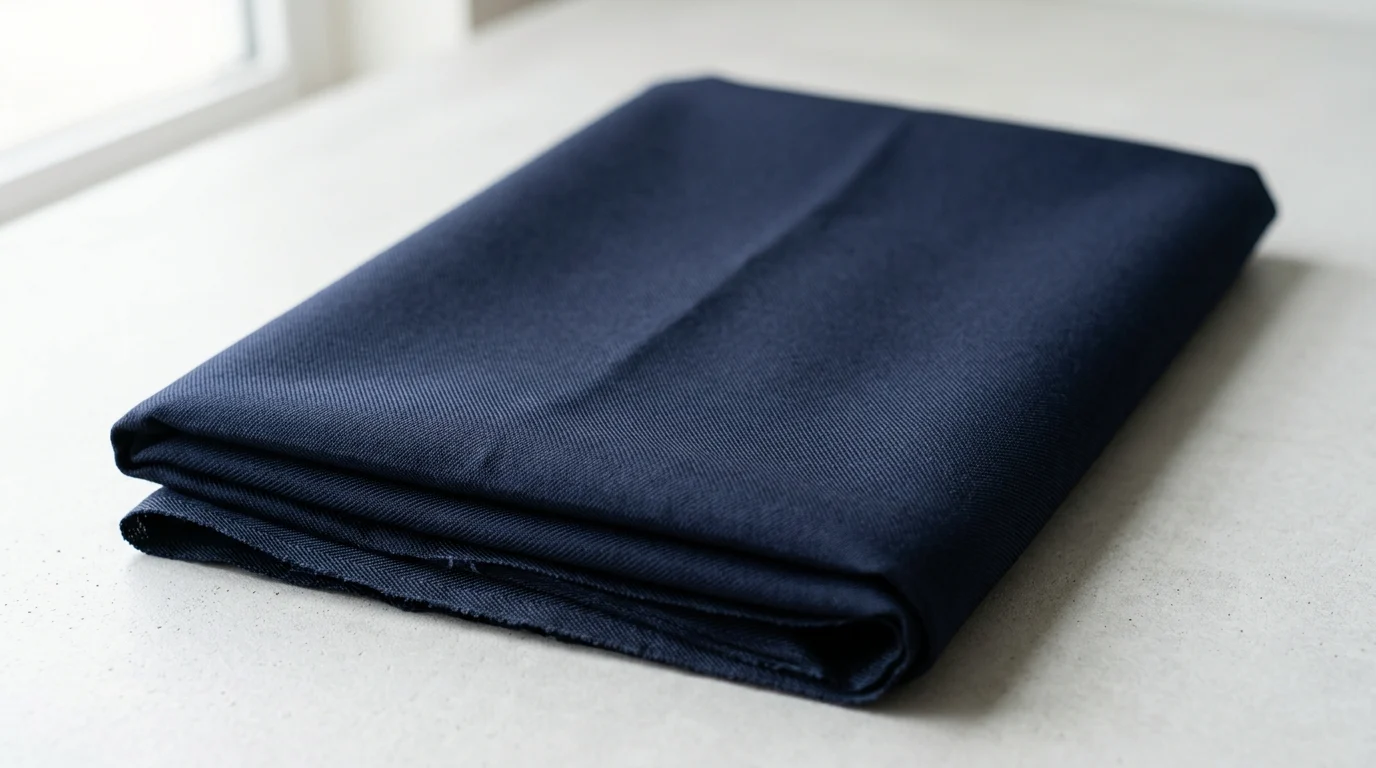
In uniform buying, fabrics succeed over time only when they meet practical demands as reliably as they meet appearance standards. TR uniform fabric has remained a preferred choice because it combines the clean, tailored look buyers want with the durability, cost control, and easy maintenance large programs require. Its polyester-rayon blend helps balance comfort, wrinkle resistance, color retention, and shape stability across repeated wear and laundering. This article explains the material’s commercial makeup, the performance traits that support long service life, and the reasons schools, corporate teams, and hospitality brands continue to specify TR fabric for uniforms year after year.
Why TR Uniform Fabric Remains a Long-Term Bestseller
Over our years of supplying and analyzing the global textile market, we have observed that certain materials experience fleeting popularity while others become foundational staples. TR uniform fabric falls definitively into the latter category. Whether outfitting corporate staff, school students, or hospitality professionals, buyers consistently return to this specific blend. We attribute this enduring demand to its unique capacity to mimic premium natural fibers while maintaining the resilient characteristics of synthetics. By balancing aesthetic appeal with structural fortitude, it provides an optimal solution for large-scale organizational apparel programs.
Commercial Definition of TR Uniform Fabric
In commercial terms, TR fabric refers to a Tetoron (a brand name for polyester) and Rayon (viscose) blend. The industry standard typically hovers around a 65% polyester and 35% rayon composition, though 80/20 and 70/30 ratios are also widely manufactured depending on the target price point. To accommodate modern demands for mobility, many suppliers now integrate elastane, creating a versatile polyester spandex rayon fabric that stretches without losing its structural integrity. Commercially, these fabrics are woven in weights ranging from 180 to 320 grams per square meter (GSM). Lighter 180 GSM variants are ideal for summer shirting, while heavier 300 GSM weaves provide the necessary structure for winter suiting and outerwear.
Why Durability, Appearance Retention, and Scalable Pricing Matter
We consistently advise clients that a uniform’s true cost is measured over its lifecycle, making durability and appearance retention critical. TR fabric boasts a remarkable tensile strength often exceeding 400 Newtons, allowing it to withstand daily friction and rigorous industrial laundering. Furthermore, the polyester component locks in color and structure, keeping shrinkage rates strictly below 3% even after 50 wash cycles. When combined with scalable pricing—often costing 40% to 60% less than pure wool alternatives—this blend provides organizations with a financially predictable way to maintain a sharp, cohesive workforce appearance year after year without inflating annual procurement budgets.
How TR Uniform Fabric Balances Cost and Performance
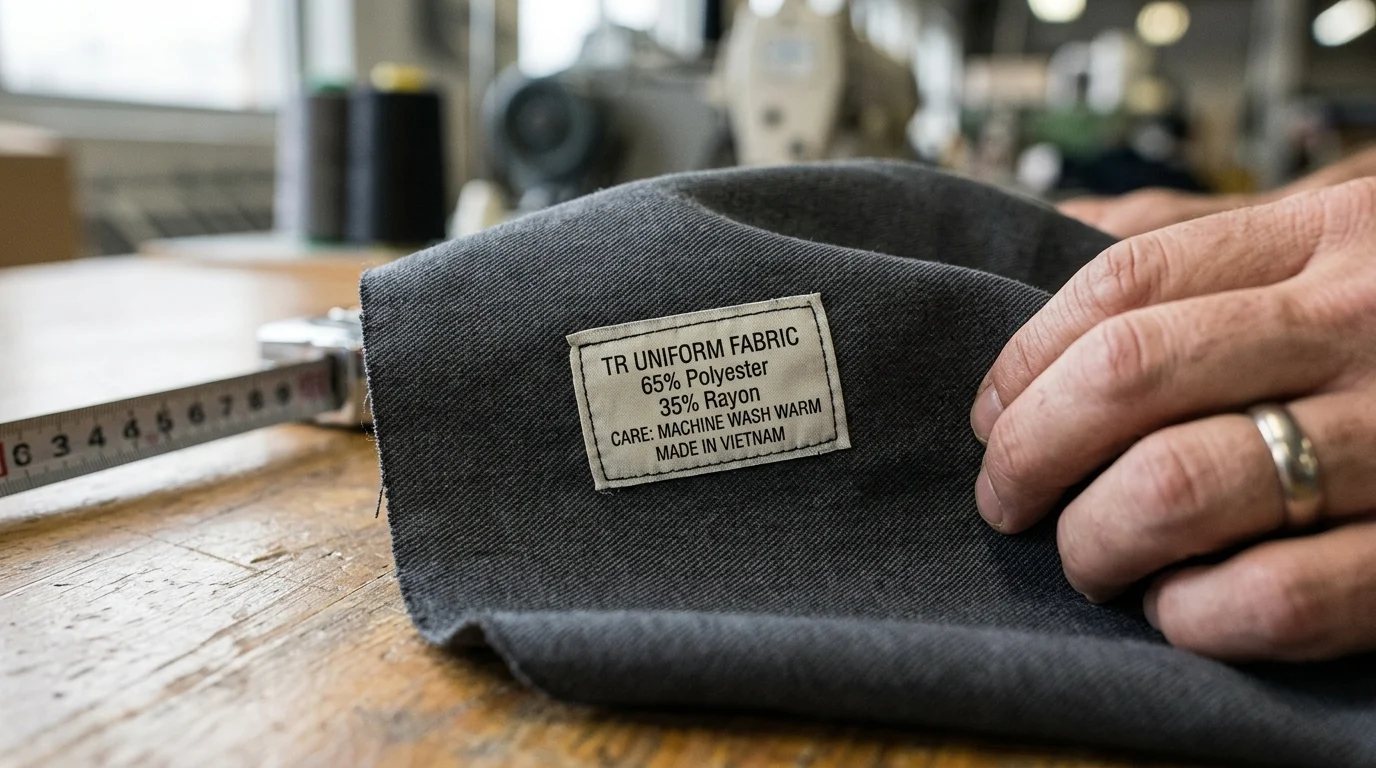
Finding the ideal intersection between a strict procurement budget and high-performance expectations is a daily challenge we navigate with our clients. TR uniform fabric effectively bridges this gap by offering customizable specifications that allow buyers to dial in the exact performance traits they need without paying for unnecessary premium features. Understanding these trade-offs is essential for maximizing return on investment.
Key Cost and Performance Comparison Points
When we compare TR fabric against other common uniform materials, the cost-to-performance ratio becomes immediately apparent. Pure cotton offers breathability but wrinkles easily and fades, while wool provides excellent drape but demands high costs and complex dry-cleaning.
| Fabric Type | Estimated Cost (per yard) | Pilling Resistance | Wrinkle Resistance | Shrinkage Rate |
|---|---|---|---|---|
| 100% Cotton | $3.00 – $5.00 | Grade 3 | Low | 4% – 6% |
| Wool Blend (50/50) | $8.00 – $14.00 | Grade 4 | High | 1% – 2% (Dry Clean) |
| TR Fabric (65/35) | $2.50 – $4.50 | Grade 3.5 – 4 | High | < 3% |
As the data indicates, TR fabric delivers wrinkle resistance and dimensional stability comparable to expensive wool blends, but at a fraction of the cost. This predictable performance significantly reduces the annual replacement rate, directly lowering the total cost of ownership for uniform programs.
Which Specifications Most Affect Value
Value is directly influenced by adjusting specific manufacturing parameters. We find that yarn count is the primary driver of both hand-feel and cost. A standard 32s/2 yarn count offers excellent durability for heavy-duty workwear, while a finer 40s/2 or 60s/2 count yields a smoother, more premium drape suited for corporate suiting. The weave structure also plays a critical role; opting for a rayon polyester twill fabric enhances diagonal stretch and tear resistance compared to a standard plain weave. Finally, adding just 2% to 3% spandex can increase the per-yard cost by $0.30 to $0.50. However, the resulting boost in wearer comfort often justifies the initial investment, particularly for dynamic work environments where mobility is paramount.
What to Check Before Selecting TR Uniform Fabric
Selecting the perfect fabric specification on paper is only half the battle. In our experience managing textile supply chains, the transition from a promising lab dip to a flawless mass-produced uniform requires rigorous vetting of the supplier’s backend capabilities. We urge buyers to look beyond the swatch and scrutinize the operational mechanics of their fabric partners to ensure long-term consistency.
How Sourcing, Compliance, Finishing, and Logistics Affect Selection
Compliance and logistics can make or break a uniform rollout. Most reputable mills require a Minimum Order Quantity (MOQ) of 3,000 to 5,000 meters per color to run a custom dye batch efficiently. Lead times typically range from 20 to 35 days, excluding ocean freight transit, which must be factored into seasonal uniform launches. On the compliance front, we strictly enforce OEKO-TEX Standard 100 certifications, ensuring that formaldehyde levels remain below 75 ppm for skin-contact safety. Additionally, finishing treatments dictate final garment performance. For example, sourcing a dedicated polyester viscose trousers fabric often requires a specialized anti-static and crease-resistant finish to help the garment maintain a crisp, professional pleat through long, demanding shifts.
Practical Steps to Choose the Right TR Fabric
To mitigate supply chain risks, we recommend executing a strict testing protocol before finalizing any bulk order. First, always request third-party lab testing for colorfastness to washing and light, demanding a minimum of Grade 4 on the grayscale to prevent premature fading. Second, verify the fabric weight consistency; a tolerance of +/- 5% from the agreed GSM is standard, but anything beyond that indicates poor quality control that will negatively affect the garment’s fit and drape. Finally, conduct a seam slippage test, aiming for less than 6mm of separation at 80N of force. This ensures the fabric will hold up under stress at the stitching points, guaranteeing the uniforms will survive the physical rigors of daily wear.
Key Takeaways
- The most important conclusions and rationale for TR uniform fabric
- Specs, compliance, and risk checks worth validating before you commit
- Practical next steps and caveats readers can apply immediately
Frequently Asked Questions
What blend is most common for TR uniform fabric?
The most common commercial blend is 65% polyester and 35% rayon. It balances wrinkle resistance, durability, drape, and price for school, corporate, and hospitality uniforms.
How does TR fabric compare with wool for uniforms?
TR fabric offers similar wrinkle resistance and shape retention at a much lower cost. It is often 40% to 60% cheaper than pure wool and easier to maintain in large uniform programs.
Which GSM should I choose for TR uniform fabric?
Use around 180 GSM for lighter summer shirts and about 300 GSM for structured winter suits or outerwear. Match GSM to climate, garment type, and required durability.
Should I add spandex to TR uniform fabric?
Add 2% to 3% spandex if staff need better mobility. It slightly increases fabric cost, but improves comfort and flexibility for active roles like hospitality, service, and front-line work.
How can I contact IYUNAI Textile about TR uniform fabric options?
You can reach IYUNAI Textile through their contact page at iyunaitextile.com/contact-us/ to discuss blend ratios, GSM, weave, and sample requests for your uniform project.
Post time: Jun-01-2026