
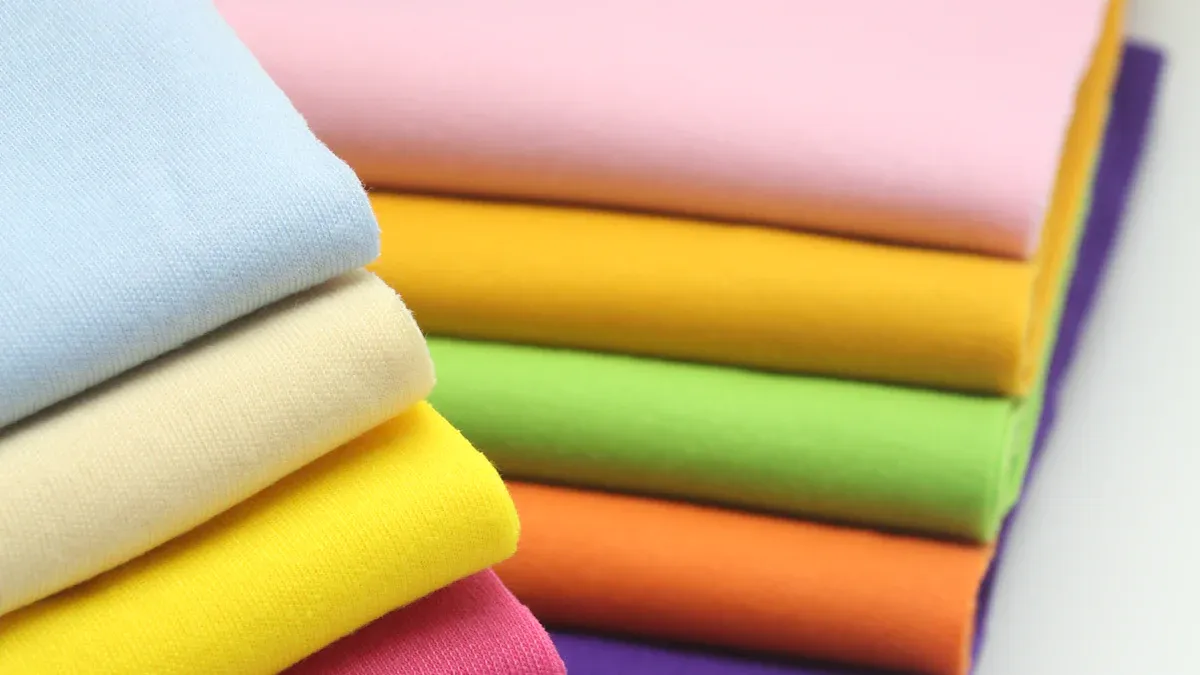
Sourcing high-quality 100% polyester fabric involves exploring reliable options such as online platforms, manufacturers, local wholesalers, and trade shows, all of which provide excellent opportunities. The global polyester fiber market, valued at USD 118.51 billion in 2023, is projected to grow at a CAGR of 7.3% through 2030. Trusted manufacturers like Yunai Textile, known for their good quality 100 polyester fabric, ensure consistent excellence. For specialized applications, such as polyester medical wear fabric, they offer tailored solutions crafted from 100% polyester fabric to meet specific needs.
Key Takeaways
- Check websites like Wayfair, Etsy, and Amazon for 100% polyester fabric. These sites have many choices for different uses.
- Always ask for fabric samples to check texture and color. This ensures the fabric fits your project needs before buying more.
- Buy directly from manufacturers for better quality and lower prices. Look for OEKO-TEX labels to confirm good quality and eco-friendliness.
Online Marketplaces for 100% Polyester Fabric
Top Platforms for Polyester Fabric
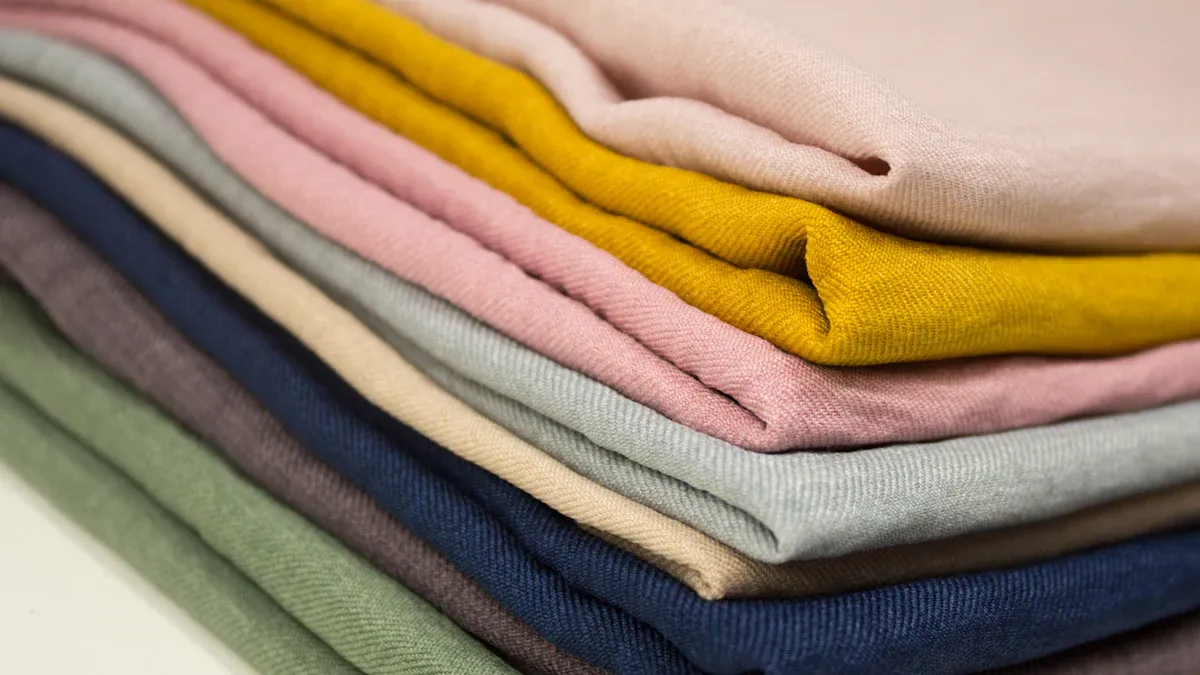
When it comes to sourcing 100% polyester fabric online, several platforms stand out for their reliability and variety. Based on customer ratings and market share, here are the top options:
- Wayfair: Known for its extensive selection, including upholstery and cotton blends.
- Faire: A platform that connects independent makers with specialty fabrics.
- Etsy: Popular for unique and handmade fabrics, especially for quilting projects.
- Walmart: Offers a wide range of fabrics at competitive prices.
- eBay: A go-to source for rare and out-of-production fabrics.
- Shopify: Hosts small businesses that specialize in niche fabric offerings.
- Amazon: Renowned for its vast selection and convenient shopping experience.
- BBB Fabrics: Focuses on high-quality quilting fabrics.
- Fabritual: Provides a curated selection of contemporary fabrics.
These platforms cater to different needs, whether you’re looking for bulk orders, unique designs, or affordable options.
Pros and Cons of Online Sourcing
Online marketplaces have revolutionized the way we source 100% polyester fabric. They offer unparalleled convenience, allowing buyers to browse a wide range of options from the comfort of their homes. Advanced technologies like AI and augmented reality enhance the shopping experience by providing detailed fabric descriptions and virtual try-ons. This makes it easier to compare prices, read reviews, and make informed decisions.
However, online sourcing has its challenges. The inability to physically inspect the fabric before purchase can lead to discrepancies in color, texture, or quality. Shipping delays and additional costs may also arise, especially when ordering from international sellers. Despite these drawbacks, the benefits often outweigh the risks when you choose a reliable platform.
Tips for Choosing Reliable Online Sellers
Selecting the right online seller is crucial for ensuring the quality of your 100% polyester fabric. Here are some tips to guide you:
- Check Reviews and Ratings: Look for sellers with high ratings and positive customer feedback. This provides insight into their reliability and product quality.
- Request Samples: Many sellers offer fabric swatches for a small fee. This allows you to evaluate the material before committing to a larger purchase.
- Verify Return Policies: Ensure the seller has a clear and fair return policy in case the fabric doesn’t meet your expectations.
- Look for Certifications: Certifications like OEKO-TEX or GRS indicate that the fabric meets specific quality and sustainability standards.
- Communicate Directly: Reach out to the seller with any questions about the fabric’s specifications, such as weight, weave, or dyeing process.
By following these steps, you can minimize risks and make confident purchasing decisions.
Sourcing Directly from Manufacturers
Advantages of Working with Manufacturers
Sourcing directly from manufacturers offers unmatched benefits. Manufacturers provide greater control over fabric specifications, ensuring consistency in quality and design. Bulk orders often come with cost savings, making this option ideal for businesses requiring large quantities of 100% Polyester fabric. Manufacturers also streamline communication, reducing the risk of misunderstandings that can occur with intermediaries.
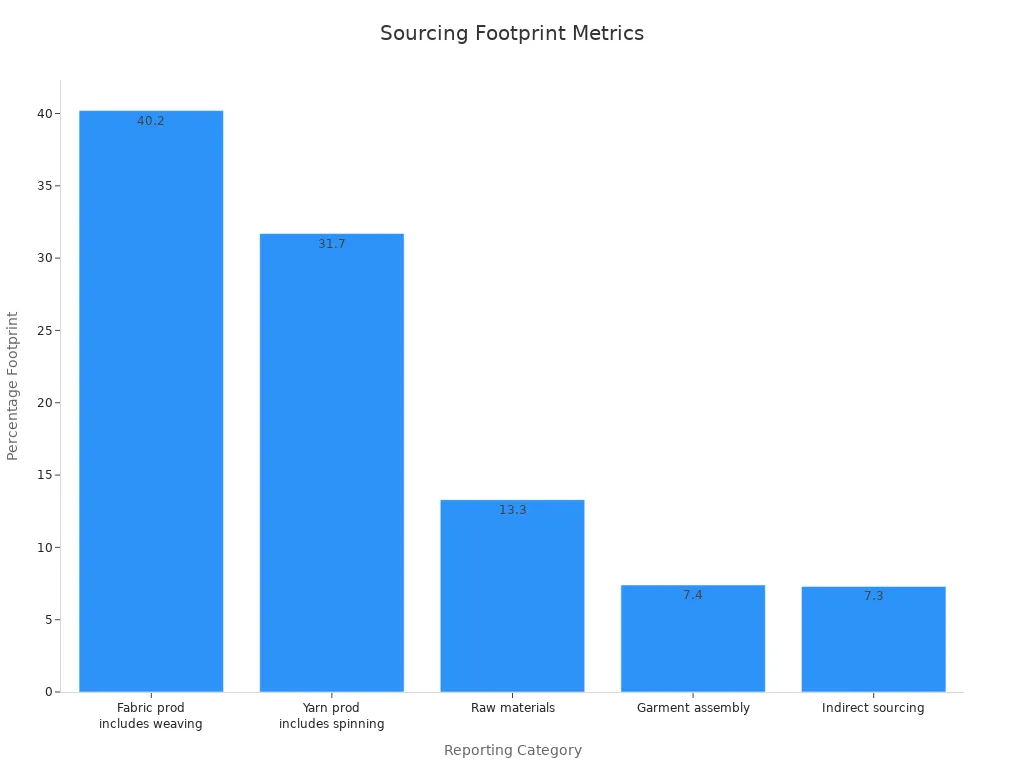
Direct sourcing contributes significantly to sustainability efforts. For instance, fabric production accounts for 40.2% of the sourcing footprint, while yarn production adds another 31.7%. Manufacturers increasingly adopt eco-friendly practices, such as reducing freshwater use in high-stress areas by 22% in FY20.
How to Vet Manufacturers for Quality
Evaluating manufacturers requires a systematic approach. Start by reviewing their certifications, such as OEKO-TEX or ISO standards, which guarantee fabric quality and safety. Request samples to assess the texture, durability, and color accuracy of the fabric. Examine their track record by checking customer testimonials and industry reviews.
Transparency in operations is another key indicator. Manufacturers with high assessment rates, such as 98% for Tier 1 facilities in 2021, demonstrate commitment to quality assurance. Visiting their facilities, if possible, provides firsthand insight into their production processes.
Why Choose Shaoxing Yun Ai Textile Co., Ltd.
Shaoxing Yun Ai Textile Co., Ltd. stands out as a trusted name in polyester fabric manufacturing. Their expertise spans various applications, including medical wear and upholstery. They prioritize quality control, ensuring every batch of 100% Polyester fabric meets stringent standards. Their commitment to sustainability aligns with industry goals, making them a reliable partner for eco-conscious buyers.
Local Wholesalers and Retailers
Benefits of Sourcing Locally
Sourcing fabric locally offers several advantages. I’ve found that buying from local wholesalers or retailers allows me to inspect the material in person. This ensures I can verify the texture, color, and quality before making a purchase. Local sourcing also eliminates shipping delays, which is crucial when working on tight deadlines. Additionally, it supports the local economy and fosters relationships with nearby suppliers.
According to a survey by the National Retail Federation, 55% of consumers prefer shopping in-store for items they want to physically examine, such as fabric. This preference highlights the importance of tactile evaluation, especially for materials like 100% polyester fabric, where texture and finish can vary significantly.
Finding Local Suppliers
Finding reliable local suppliers requires a bit of research. I recommend starting with fabric stores in your area. Many of these retailers stock a wide range of polyester fabrics and can provide expert advice on their applications. Visiting local trade directories or community forums can also help identify wholesalers who specialize in bulk orders. Networking with other professionals in the textile industry often leads to valuable supplier recommendations.
Inspecting Fabric in Person
When sourcing fabric locally, I always prioritize inspecting the material in person. This hands-on approach allows me to assess the fabric’s weight, weave, and durability. I also check for any inconsistencies in color or texture. If possible, I bring along a sample of the fabric I need to match. This ensures I make the right choice for my project. Local suppliers often welcome such inspections, as they understand the importance of quality assurance in the textile industry.
Trade Shows and Fabric Expos
Benefits of Attending Trade Shows
Attending trade shows offers numerous advantages for sourcing high-quality fabrics. Based on my experience, these events provide:
- Opportunities to discover the latest trends in textiles and technologies.
- Prime networking chances with industry professionals, including suppliers and manufacturers.
- Access to unique and high-quality materials that can elevate your projects.
- Inspiration through diverse exhibits showcasing innovative patterns and designs.
- Educational seminars and workshops led by industry leaders, offering insights into market trends and sustainability.
- A competitive edge by staying updated on industry standards and innovations.
- Exposure to sustainable practices, aligning with the growing demand for eco-friendly materials.
These benefits make trade shows an invaluable resource for anyone in the textile industry.
Connecting with Suppliers at Events
Trade shows excel at connecting buyers with quality polyester fabric suppliers. I’ve noticed that engaging displays and vibrant booths often attract significant foot traffic. These setups create an inviting atmosphere, making it easier to establish personal connections with suppliers. Building these relationships is crucial for long-term success in the textile industry. The face-to-face interactions at these events foster trust and allow for detailed discussions about fabric specifications, pricing, and customization options.
Recommended Trade Shows for Polyester Fabric
If you’re looking to source 100% Polyester fabric, I recommend attending the following trade shows:
- Intertextile Shanghai Apparel Fabrics: One of the largest textile fairs globally, offering a vast selection of polyester fabrics.
- Première Vision Paris: Known for its focus on innovation and sustainability, this event showcases high-quality materials from top suppliers.
- Texworld USA: A must-visit for buyers seeking affordable yet premium polyester fabrics.
- Heimtextil Frankfurt: Ideal for those interested in home textiles, including polyester upholstery and drapery fabrics.
These events provide excellent opportunities to connect with reputable suppliers and explore the latest trends in polyester fabrics.
Ensuring the Quality of 100% Polyester Fabric
Requesting Samples
When sourcing 100% Polyester fabric, I always request samples before committing to a large order. Samples allow me to evaluate the fabric’s texture, weight, and color accuracy firsthand. This step is crucial because online images or descriptions often fail to capture the true characteristics of the material.
I recommend asking for swatches that represent the full range of colors and patterns available. For example, if I’m sourcing fabric for upholstery, I ensure the sample includes the exact weave and finish I need. Many suppliers offer samples at a nominal fee, which is a small price to pay for peace of mind.
Tip: When you receive a sample, test it under different lighting conditions. This helps you confirm the color consistency and ensures it matches your project requirements.
Checking Certifications
Certifications play a vital role in verifying the quality and sustainability of 100% Polyester fabric. I always check for recognized standards that guarantee the fabric meets industry benchmarks. These certifications not only ensure the material’s durability but also confirm its compliance with environmental and ethical practices.
Here’s a quick overview of key certification standards:
| Certification Standard | Description |
|---|---|
| Textile Exchange Standards | Help verify sustainability claims from raw material to final product. |
| Global Recycled Standard | Ensures recycled products are processed in a climate-friendly way. |
| Green Button Certification | Ensures traceability and verifies recycled content in textiles. |
I prioritize suppliers who offer GRS-certified polyester or fabrics with the Green Button Certification. These certifications provide transparency and build trust, especially when sourcing sustainable textiles.
Note: Always ask suppliers to provide documentation for their certifications. This ensures the claims are legitimate and verifiable.
Reading Reviews and Testimonials
Customer reviews and testimonials are invaluable when assessing the reliability of a supplier. I make it a point to read feedback from other buyers to understand their experiences with the fabric’s quality, delivery times, and customer service.
I focus on reviews that mention specific details about the fabric, such as its durability, colorfastness, or suitability for particular applications. For instance, if I’m sourcing fabric for medical wear, I look for testimonials that highlight the material’s breathability and ease of maintenance.
Tip: Pay attention to patterns in the reviews. Consistently positive feedback about a supplier’s 100% Polyester fabric indicates reliability, while repeated complaints signal potential issues.
Sourcing 100% Polyester fabric requires careful consideration of options like online platforms, manufacturers, and trade shows. I always prioritize suppliers based on budget, quantity, and location. Shaoxing Yun Ai Textile Co., Ltd. consistently delivers exceptional quality and reliability. Their expertise makes them my top recommendation for professional-grade polyester fabric.
FAQ
What is the best way to ensure fabric quality before purchasing?
I always request samples from suppliers. This allows me to evaluate the fabric’s texture, weight, and color accuracy before committing to a larger order.
Tip: Test samples under different lighting to confirm color consistency.
How can I identify a trustworthy polyester fabric supplier?
I check certifications like OEKO-TEX, read customer reviews, and verify return policies. Reliable suppliers often provide transparent information about their products and processes.
Is polyester fabric eco-friendly?
Polyester fabric can be eco-friendly when sourced from suppliers using recycled materials or sustainable practices. Certifications like GRS ensure the fabric meets environmental standards.
Note: Always confirm certifications to verify sustainability claims.
Post time: May-30-2025