
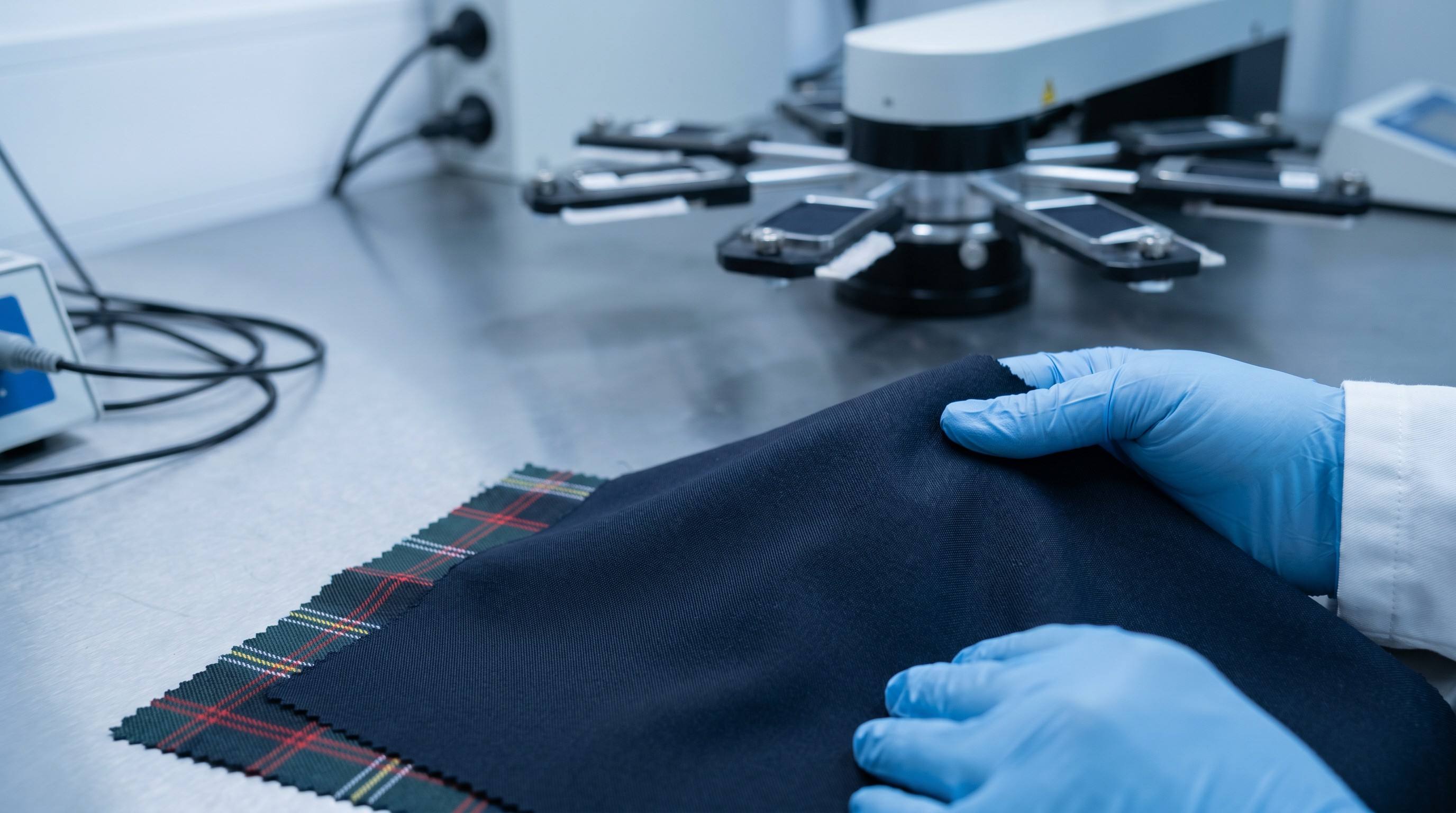
For school uniform brands and B2B apparel suppliers targeting European and American markets, return rates are a silent profit killer. Among the most frequent complaints from parents are uniforms that warp, shrink, or pill after just a few weeks of wear.
In Western households, school uniforms endure a brutal daily cycle: heavy playground wear followed by high-temperature washing and machine drying. If your fabric isn’t engineered to survive this routine, your brand reputation will suffer. Investing in advanced textile technologies like anti-pilling treatments and liquid ammonia easy-care finishes isn’t just a quality upgrade—it’s a core business strategy to protect your bottom line.
The Ultimate Test: Why Western Laundry Habits Demand Durable Fabrics
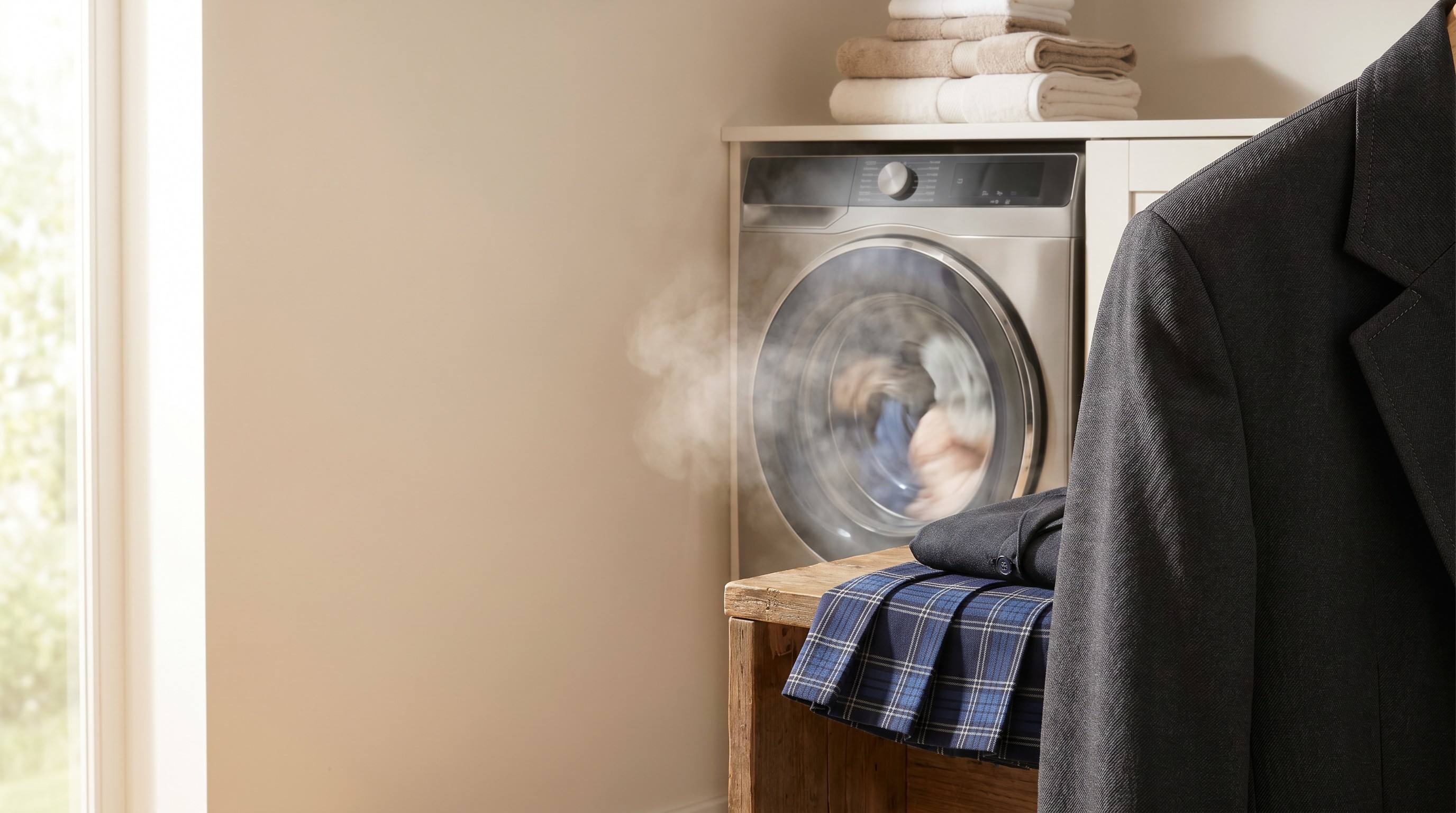
In many Asian markets, line-drying clothes is the norm. In the US, UK, and Europe, however, the commercial and household clothing dryer is a standard appliance.
Dryers subject garments to prolonged high temperatures and intense friction. For standard fabrics, this environment accelerates fiber breakage. As loose fibers rub together during the drying cycle, they tangle into unsightly pills.
If a school uniform brand uses sub-par materials, a premium British style school uniform fabric can look worn out and cheap within a month. To withstand the relentless heat and friction of Western laundry habits, suppliers must prioritize high-performance synthetics, specifically engineered 100 polyester school uniform fabric, or specialized poly-cotton blends that can handle the heat without losing their structural integrity.
Protecting B2B Brand Reputation with Grade 4-5 Anti-Pilling Ratings
In the B2B school uniform industry, word-of-mouth and procurement reviews dictate your success. A high return rate from parents puts immense pressure on schools and retail distributors, who will quickly look for alternative suppliers if your garments fail to last.
This is where standardized testing becomes your strongest selling point. When sourcing materials, looking for a verified anti-pilling rating of Grade 4-5 (with Grade 5 being the absolute best) is critical.
Achieving a Grade 4-5 rating means that even after rigorous friction testing—replicated in real life by kids sliding across carpets or backpacks rubbing against shoulders—the fabric surface remains smooth and free of fuzz. Offering certified anti-pilling fabric gives B2B buyers the confidence that they won’t be flooded with angry customer complaints and costly returns.
Precision Engineering: Understanding Fabric Weight and Style
When designing traditional garments, weight matters just as much as composition. For instance, authentic British style school uniform fabric—frequently featuring classic yarn-dyed plaids and tartans—requires a specific density to drape beautifully and withstand daily wear.
The industry standard for premium tartan plaid school uniform fabric weight usually falls within a specific range:
-
The Sweet Spot: The most reliable weight for durability and comfort sits tightly between 220GSM to 230GSM.
-
Why 220GSM–230GSM? This specific yarn dyed school uniform fabric weight ensures the garment is heavy enough to hold pleats cleanly and resist structural warping in the dryer, yet breathable enough for year-round student wear.
Combining a robust weight like 220GSM school uniform fabric with advanced finishing techniques ensures the uniform maintains its premium aesthetic long-term.
Liquid Ammonia Easy-Care Technology: The No-Iron Revolution
Busy parents despise ironing. In the competitive school uniform landscape, “easy-care” or “iron-free” claims are massive selling points. However, traditional resin treatments often leave fabrics feeling stiff and lower their tearing strength.
The modern solution is liquid ammonia easy-care technology.
[Liquid Ammonia Treatment Process]
Raw Cotton/Blend Fabric ➔ Liquid Ammonia Bath (-33°C) ➔ Fiber Swelling & Alignment ➔ Fixation ➔ Ultra-Soft, Wrinkle-Resistant Fabric
By treating the fabric with liquid ammonia at ultra-low temperatures, the cellular structure of the fibers (particularly cotton blends) is fundamentally altered. The fibers swell, smooth out, and relieve internal stresses.
Benefits of Liquid Ammonia Finishing:
-
Permanent Wrinkle Resistance: The fabric naturally resists wrinkling, remaining crisp straight out of the dryer.
-
Superior Softness: Unlike harsh chemical coatings, liquid ammonia leaves the fabric incredibly soft against a child’s skin.
-
Enhanced Durability: It improves the fabric’s tensile strength, making it much harder to tear during active school days.
Conclusion: Lower Returns, Higher Profits
Reducing school uniform return rates in Europe and America requires meeting the lifestyle realities of modern parents. By utilizing a high-grade 100 polyester school uniform fabric, specifying a durable 230GSM school uniform fabric weight for plaids, and insisting on Grade 4-5 anti-pilling and liquid ammonia technologies, textile suppliers can deliver garments that look brand new after a hundred washes. Protect your B2B brand reputation by choosing engineered durability over cheap alternatives.
Post time: Jul-08-2026