
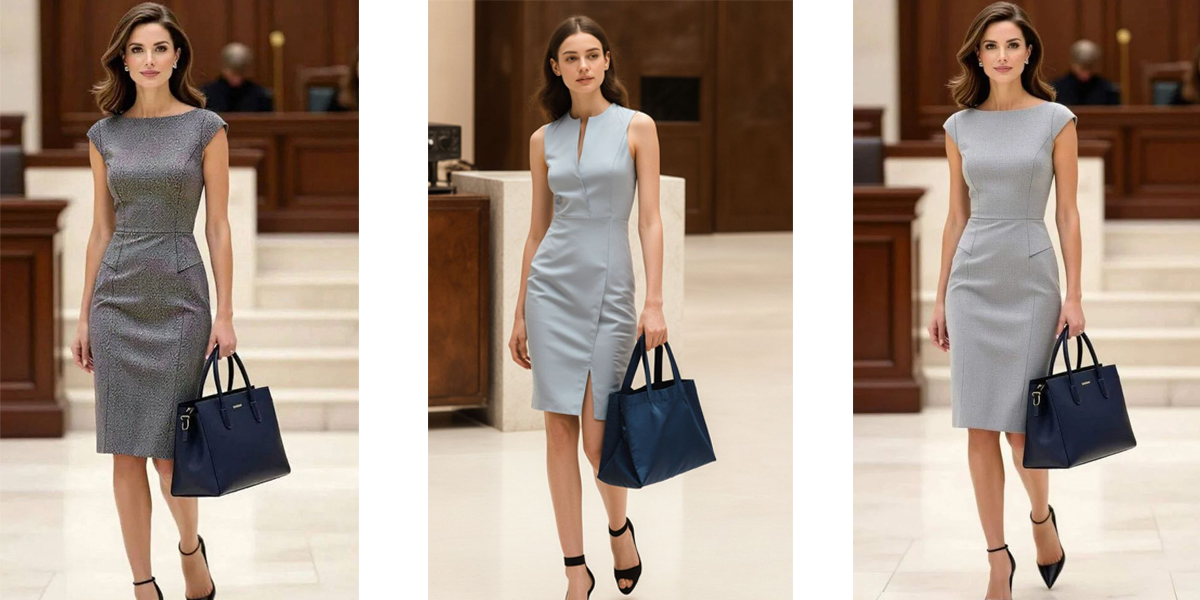
TR fabrics stand out for their versatility. I find them suitable for various applications, including suits, dresses, and uniforms. Their blend offers numerous advantages. For instance, TR suit fabric resists wrinkles better than traditional wool. Additionally, fancy TR suiting fabric combines style with comfort, making it ideal for modern apparel. Moreover, TR fabric for dresses provides a chic option for any occasion, while TR fabric for uniforms wholesale ensures quality and durability for professional attire. As a reliable TR suiting fabric supplier, we offer a range of options, including fancy TR fabric for women’s wear, to meet diverse fashion needs.
Key Takeaways
- TR fabrics resist wrinkles better than traditional materials, making them ideal for a polished look without constant ironing.
- These fabrics are durable and maintain their shape after multiple wears, perfect for uniforms and professional attire.
- TR blends are eco-friendly, requiring less water and producing lower carbon emissions compared to traditional fabrics.
Benefits of TR Blends
TR blends offer a multitude of advantages that make them an excellent choice for suits, dresses, and uniforms. I appreciate how these fabrics combine the best qualities of their components, resulting in garments that are not only stylish but also practical. Here are some key benefits I have observed:
- Wrinkle Resistance: TR blends, particularly those made from cotton-polyester combinations, outperform 100% cotton in wrinkle resistance. In my experience, a 70/30 cotton-poly blend recovers from wrinkles much better than pure cotton. While 100% cotton retains 30–40% of its original wrinkle height after several washes, blends only keep about 15–20%. This makes TR suit fabric a smart choice for anyone who values a polished appearance without the hassle of constant ironing.
- Durability: The longevity of TR blends is impressive. They maintain their shape and structure even after multiple wears and cleanings. This durability is crucial for commercial use, where garments face rigorous demands. I find that TR fabrics resist wear and tear effectively, making them ideal for uniforms that require frequent laundering.
- Easy Care: One of the standout features of TR blends is their low maintenance. They dry quickly and possess anti-static properties, which simplifies care routines. I often recommend TR suit fabric to clients who seek garments that look great with minimal effort.
- Color Retention: The vibrant color retention of TR blends is another benefit I admire. The composition of 65% polyester and 35% rayon allows these fabrics to accept dyes beautifully, resulting in fade-resistant colors. This quality is particularly important for uniforms and dresses that need to maintain their visual appeal over time.
- Environmental Impact: When I compare the environmental footprint of TR blends to traditional fabrics like cotton and wool, TR blends emerge as a more sustainable option. For instance, producing 1kg of cotton generates 16.4kg of CO2 and uses 10,000 liters of water. In contrast, TR blends require significantly less water and produce lower carbon emissions, making them a more eco-friendly choice.
- Breathability and Comfort: While TR blends offer good breathability, they may not match the comfort of natural fibers like cotton. However, I find that they still provide a soft, skin-friendly feel. For those in warmer climates or engaging in physical activities, tri-blend fabrics, which include cotton, polyester, and rayon, enhance moisture-wicking properties and overall comfort.
Fancy TR Designs That Elevate Garments
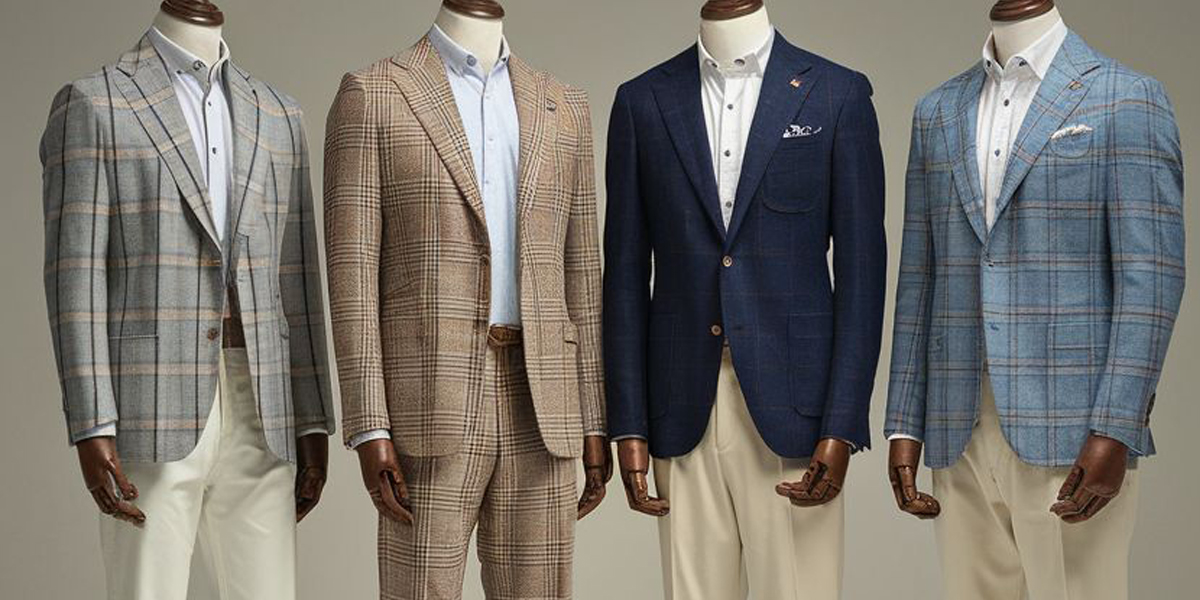
Fancy TR fabrics offer a unique opportunity to elevate the aesthetic appeal of garments. I have seen how designers embrace various patterns to create stunning pieces that stand out. Some of the most popular fancy TR fabric patterns currently used in high-end fashion include:
- Floral
- Geometric
- Abstract
- Ornamental
- Stripes
- Waves
These designs allow for creativity and versatility in both formal and casual wear. Designers often utilize TR fabrics for their comfort and adaptability. For example, I have noticed that fabrics like crepe work beautifully for flowing dresses and structured blouses. Meanwhile, satin, traditionally associated with luxury, is now being adapted into casual styles, showcasing its versatility in modern fashion.
Recent technological advancements in TR fabric finishing have also enhanced garment aesthetics. Innovations such as plasma technology improve durability and stain resistance while maintaining breathability. Additionally, nano-finishing provides antimicrobial properties and UV protection, which are essential for various applications.
The unique textural effects of TR fabrics further distinguish them from other blends. Compared to other materials, TR fabrics offer a smooth and clean texture, good elasticity, and high wrinkle resistance. This combination makes TR suit fabric an excellent choice for tailored garments that require both style and functionality.
Why Brands Choose TR Fabrics

Brands increasingly opt for TR fabrics due to their remarkable qualities that align with modern consumer demands. I have observed several compelling reasons that drive this choice:
- Versatility: TR fabrics adapt well to various applications, including men’s suits, women’s dresses, and activewear. This flexibility allows brands to cater to diverse markets without compromising on quality.
- Durability: I appreciate how TR fabrics are engineered to last. They feature wrinkle resistance and tear resistance, making them ideal for garments that undergo frequent wear and washing. This durability is crucial for brands that prioritize long-lasting products.
- Comfort: The soft feel and stretch properties of TR fabrics enhance the overall wearing experience. I often hear from customers that they appreciate how these fabrics provide a flattering fit without sacrificing comfort.
- Eco-Friendliness: Many sustainable fashion brands are drawn to TR fabrics because they combine rayon and polyester. This blend not only reduces environmental impact but also appeals to consumers who prioritize eco-conscious choices.
In my experience, brands often cite the following key factors when choosing TR fabrics:
- Durability and Comfort: The combination of polyester’s resistance to wear with rayon’s breathability creates a fabric that stands the test of time while remaining comfortable.
- Wrinkle Resistance: TR fabrics maintain a polished appearance throughout the day, which is essential for professional attire.
- Customization: With over 100 color options available, brands can express their unique style and meet customer preferences effectively.
Customer satisfaction plays a significant role in a brand’s decision to use TR fabrics. I have found that the choice of fabric composition significantly affects perceived quality. Customers often prioritize the touch, feel, finishing, and durability of garments in their reviews. High-quality fabrics enhance the perceived value of a product, which directly influences customer satisfaction.
TR fabric stands out as a strong and durable option compared to regular cotton. It retains color and resists creases better than many other materials, contributing to long-term customer satisfaction. Additionally, its construction ensures longevity and maintains appearance after multiple washes. This reliability makes TR suit fabric a preferred choice for work clothing and formal attire.
Overall, brands choose TR fabrics for their ability to meet the demands of today’s consumers while providing a blend of style, comfort, and sustainability.
Case Study: Brands Using Fancy TR Fabrics
Several brands have successfully integrated fancy TR fabrics into their collections. I have observed how these brands leverage the unique qualities of TR blends to create stylish and functional garments. Here are a few notable examples:
- Brand A: This brand specializes in professional attire. They use fancy TR suit fabric to craft tailored suits that offer both elegance and comfort. Customers appreciate the wrinkle resistance and durability, making these suits ideal for busy professionals.
- Brand B: Known for its chic dresses, Brand B incorporates floral and geometric patterns in their TR fabric designs. I admire how they create versatile pieces that transition seamlessly from day to night. The breathability of TR blends ensures that wearers feel comfortable throughout the day.
- Brand C: This activewear brand has embraced TR fabrics for their uniforms. They focus on moisture-wicking properties and stretch, which enhance performance during physical activities. I find it impressive how they combine functionality with style, appealing to a wide range of consumers.
These brands exemplify the versatility and appeal of fancy TR fabrics. Their commitment to quality and innovation showcases the potential of TR blends in modern fashion.
I believe TR fabrics represent a future-proof choice for apparel. Their durability and easy maintenance ensure garments maintain quality and appearance over time. As brands increasingly adopt eco-friendly and innovative materials, TR fabrics will drive advancements in sustainability and technology, reshaping the fashion landscape for years to come.
Post time: Sep-24-2025