
Introduction
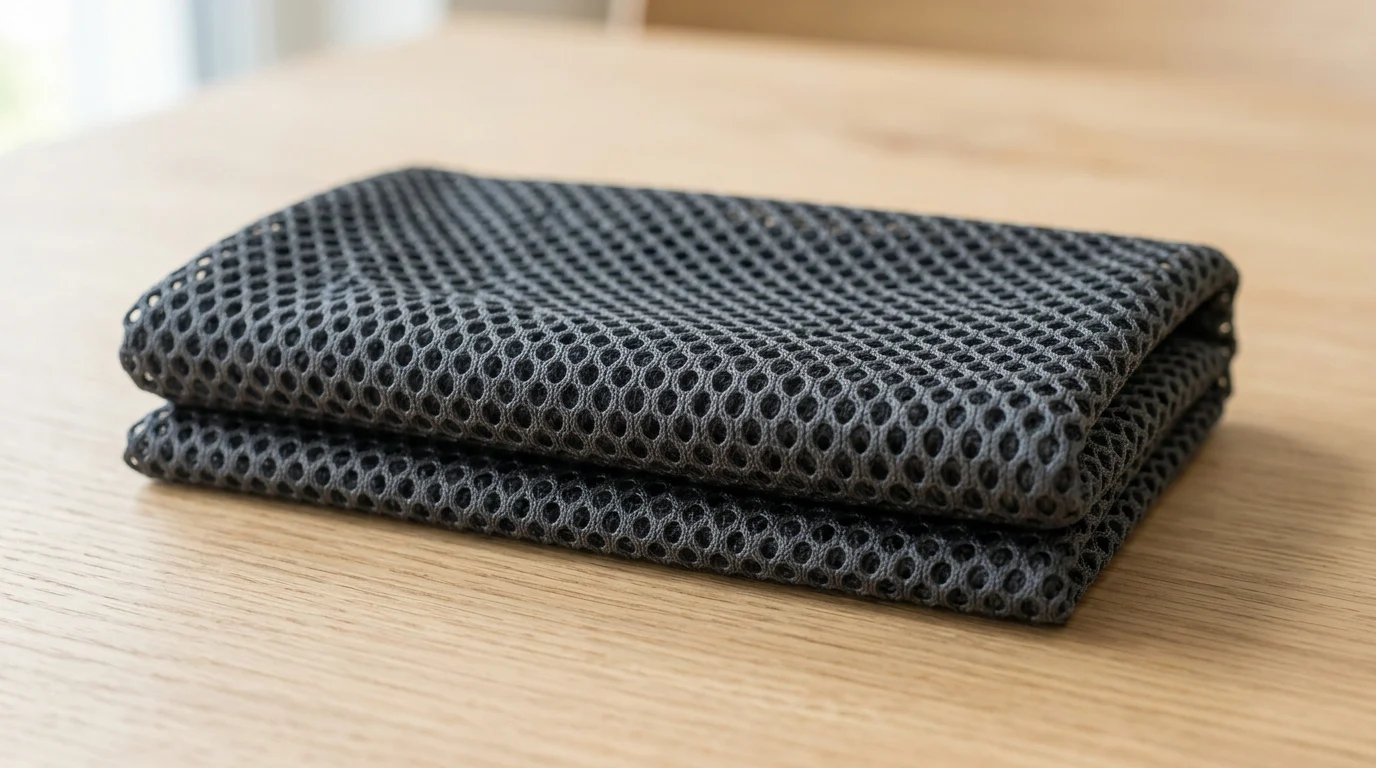
Lightweight outdoor apparel is changing as brands look for fabrics that reduce bulk without sacrificing comfort, durability, or climate control. Functional mesh fabric has emerged as a key answer because its engineered structure can improve airflow, speed moisture transfer, lower garment weight, and support stretch or layering in ways dense textiles often cannot. For designers, it opens more precise control over performance; for buyers, it helps explain why newer trail, training, and everyday outdoor pieces feel cooler, pack smaller, and move more easily. This article examines the market forces, material properties, and product demands that are accelerating the adoption of functional mesh across modern lightweight outdoor wear.
Why Functional Mesh Fabric Is Growing in Lightweight Outdoor Wear
As the landscape of performance apparel rapidly shifts, specialized textiles are ascending. Modern consumers demand gear that bridges technical utility with everyday comfort, propelling lightweight constructions to the forefront of outdoor apparel design. Functional mesh has evolved from a simple component into the foundational architecture of next-generation activewear.
How lightweight trends and outdoor casualization drive demand
The phenomenon of outdoor casualization—often termed “gorpcore”—has fundamentally altered baseline expectations for activewear. Consumers now require garments that perform flawlessly on a humid 15-mile trail yet drape appropriately for urban environments. This dual-use expectation demands base layers and mid-layers that actively minimize thermal burden.
Consequently, there is a compound annual surge in specifications for sub-150 grams per square meter (gsm) textiles. Such lightweight profiles reduce overall garment weight by up to 30% compared to traditional heritage weaves. This weight reduction directly correlates with lower metabolic fatigue for the wearer, addressing the critical demand for packability and unrestricted mobility in modern capsule collections.
What functional mesh fabric means in this market
“Functional mesh” transcends basic open-knit structures; today’s iterations are highly engineered composites designed at the microscopic level. For example, a premium 100 polyester mesh knit fabric often integrates an 8% to 12% elastane blend to achieve dynamic four-way stretch, offering a stretch recovery rate exceeding 90%.
Functionality is further embedded at the yarn level through cross-sectional modifications (such as trilobal or hexachannel yarns) that induce capillary action. This pulls moisture away from the skin up to 40% faster than standard circular knits. Sourcing these materials often involves looking for inherent anti-odor treatments applied via silver-ion or zinc-based finishes, alongside UV resistance ratings of UPF 30+. This multifaceted engineering elevates a simple mesh into a critical microclimate manager essential for high-exertion outdoor pursuits.
How Functional Mesh Fabric Compares on Performance and Cost
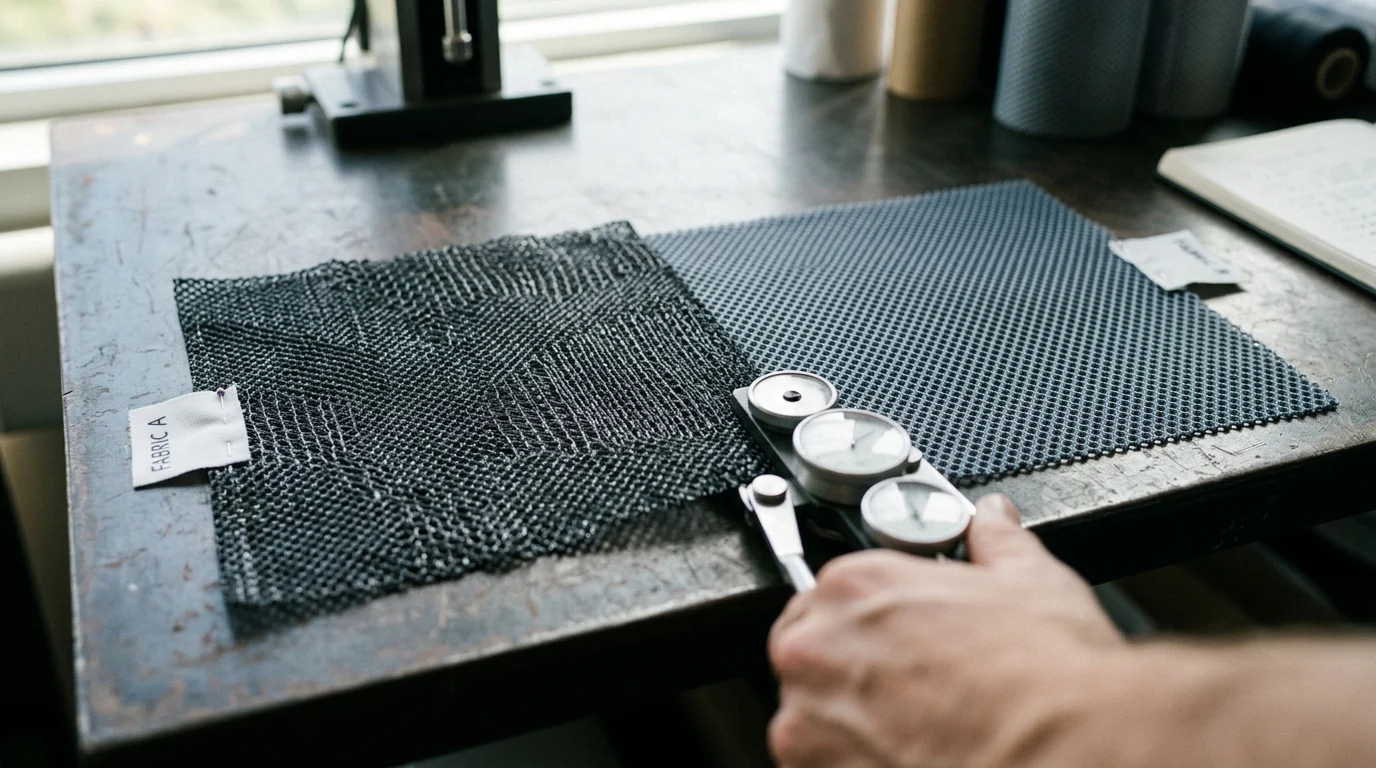
Transitioning from conceptual design to commercial viability requires rigorously benchmarking these meshes against established performance metrics and cost parameters. Navigating this delicate balance dictates the financial and practical success of procurement strategies.
Which specifications best explain breathability, durability, and price
To objectively evaluate a knit mesh fabric, brands rely on specific, quantifiable thresholds. Air permeability, typically measured via the ASTM D737 standard, must consistently exceed 150 cubic feet per minute (cfm) to ensure optimal convective cooling. Durability in lightweight knits is often validated by a minimum bursting strength of 250 kPa (ISO 13938-1), ensuring the open structure does not compromise structural integrity under dynamic stress.
Pricing scales directly in tandem with these technical specifications. Standard wicking meshes generally average $1.50 to $1.90 per yard, whereas high-elastane, multi-treated variants command premium pricing between $3.50 and $4.50 per yard.
| Specification Profile | Weight (GSM) | Elastane % | Air Permeability (cfm) | Est. Cost per Yard (USD) |
|---|---|---|---|---|
| Standard Birdseye Mesh | 140 – 150 | 0% | ~120 | $1.50 – $1.90 |
| High-Stretch Active Mesh | 130 – 145 | 8% – 12% | ~160 | $2.30 – $2.80 |
| Premium Treated Mesh | 110 – 125 | 12% – 15% | 180+ | $3.50 – $4.50 |
How it compares with alternative materials
When benchmarking functional mesh against traditional alternatives like tightly woven nylons or standard cotton-poly jerseys, the performance delta becomes starkly apparent. Woven nylons offer superior abrasion resistance—often exceeding 50,000 cycles on the Martindale rub test—but they typically trap heat, severely limiting their utility in high-perspiration zones. Conversely, standard jersey lacks the mechanical venting provided by a micro-mesh structure.
Specifying a white knit mesh fabric for sports wear for localized venting panels, such as pit zips or back yokes, is a common industry practice. Integrating these panels delivers a 50% increase in the localized Moisture Vapor Transmission Rate (MVTR) compared to utilizing a solid knit of the exact same weight and yarn composition.
How to Source, Validate, and Select Functional Mesh Fabric
Ultimately, successfully integrating these advanced textiles hinges on a robust and transparent supply chain methodology. Sourcing functional mesh requires stringent validation protocols to mitigate quality fade and ensure absolute compliance with global apparel standards.
Which steps reduce risk in sourcing, compliance, and testing
Risk mitigation begins with strict compliance testing before bulk production. AATCC 195 testing for liquid moisture management is standard, requiring an Overall Moisture Management Capacity (OMMC) score above 0.6. Furthermore, because these fabrics are worn directly against the skin, achieving OEKO-TEX Standard 100 certification is a non-negotiable prerequisite to verify the total absence of harmful dyestuffs and heavy metals.
Colorfastness is verified via ISO 105-C06, demanding a minimum grade of 4 to prevent bleeding during consumer laundering. From a logistical standpoint, Minimum Order Quantities (MOQs) typically range between 300 kg and 500 kg per colorway for custom dye lots. To control yield losses on the cutting room floor, acceptable defect rates are strictly capped at 2% per roll. Selecting a specialized quick dry mesh sports wear fabric from a rigorously audited supplier ensures these stringent parameters are consistently met across diverse seasonal production cycles.
What criteria help brands choose the right fabric
Choosing the right fabric requires intimately aligning technical specifications with the garment’s intended end-use. For instance, a highly aerobic trail-running singlet demands an ultra-lightweight profile—often under 110 gsm—with aggressive wicking characteristics, prioritizing rapid evaporative cooling over rugged, long-term durability against brush.
In contrast, a mesh jogging knit fabric designed for cooler climates or lower-intensity activities might prioritize a slightly heavier weight and higher elastane content to balance thermal regulation with shape retention.
Key Takeaways
- The most important conclusions and rationale for functional mesh fabric
- Specs, compliance, and risk checks worth validating before you commit
- Practical next steps and caveats readers can apply immediately
Frequently Asked Questions
What should buyers compare first when sourcing functional mesh fabric?
Start with airflow/spec range, compliance requirements, installation constraints, and after-sales spare-part policy. These four factors usually determine total risk and margin quality.
How can readers control landed cost for functional mesh fabric?
Break down unit FOB, packaging volume, container utilization, duty/tax, and expected return rate. A simple landed-cost model by SKU tier helps avoid margin surprises.
Which certifications are commonly required for functional mesh fabric in key markets?
Requirements vary by destination market; verify applicable electrical/safety and material compliance standards before PO confirmation, and keep lab reports tied to exact SKU versions.
How should distributors set MOQ and inventory targets for functional mesh fabric?
Use channel demand split and lead time to set tiered MOQ. Keep fast-moving SKUs deeper in stock while limiting long-tail variants with slower turns and higher holding costs.
What is a practical quality-control checklist for functional mesh fabric orders?
Define AQL, critical defect list, function tests, and packaging drop checks. Run pre-shipment inspection and keep a traceable defect feedback loop with the factory.

Yunai Textile
Post time: Jun-15-2026