

Choosing the right nursing uniform fabric significantly impacts comfort and durability. A suitable fabric enhances performance during long shifts, allowing nurses to focus on their duties. Understanding the properties of materials like polyester spandex and polyester rayon spandex fabric empowers individuals to make informed decisions when selecting nursing uniform fabric.
Key Takeaways
- Choosing the right fabric for nursing uniforms boosts comfort and performance during long shifts.
- Cotton-polyester blends are ideal for nursing uniforms, offering both durability and comfort.
- Proper care of nursing uniforms, like washing in cold water and avoiding harsh detergents, extends their lifespan.
Importance of Nursing Uniform Fabric Choice

Choosing the right nursing uniform fabric significantly influences both comfort and durability. Nurses often work long hours, and the fabric they wear can either enhance or hinder their performance.
Impact on Comfort
Comfort is paramount for nurses who spend their shifts on their feet, attending to patients. The right fabric can alleviate common discomfort issues. Recent surveys indicate that many nurses report discomfort, fatigue, and decreased job satisfaction due to inadequate fabric choices. The table below summarizes these comfort issues:
| Comfort Issues | Description |
|---|---|
| Discomfort | Commonly reported by nurses |
| Fatigue | Linked to uniform fabric performance |
| Decreased Job Satisfaction | A significant concern among staff |
Fabrics like cotton are widely recognized for their breathability and softness. Cotton promotes airflow, which is crucial for prolonged wear in warm environments. Research shows that cotton excels in moisture vapor transmission, effectively reducing sweat pooling. In contrast, polyester fabrics offer moisture-wicking properties that keep healthcare professionals dry by pulling sweat away from the body. Fabrics such as micro-polyester and proprietary performance blends excel in moisture management, ensuring the wearer feels dry and light.
Role in Durability
Durability is another critical factor when selecting nursing uniform fabric. The lifespan of various fabrics can vary significantly under typical hospital laundering conditions. Testing has shown that budget brands may lose 40-50% of their color after 60 washes, while premium brands exhibit less noticeable wear. This difference can impact how often nurses need to replace their uniforms. The table below illustrates the suggested replacement cycle based on professional roles:
| Professional Role | Washing Frequency | Suggested Replacement Cycle (Useful Life) |
|---|---|---|
| Nurses | Daily/Very high | Every 3 months. Due to the intensity of the washing and the direct and prolonged contact with patients. |
To maintain the integrity of nursing uniform fabric, it is advisable to wash uniforms separately to avoid cross-contamination. Using mild detergents and avoiding excessive bleach or fabric softeners can also prolong the life of the fabric. Additionally, avoiding extreme heat during drying helps preserve the material’s quality.
Types of Nursing Uniform Fabrics
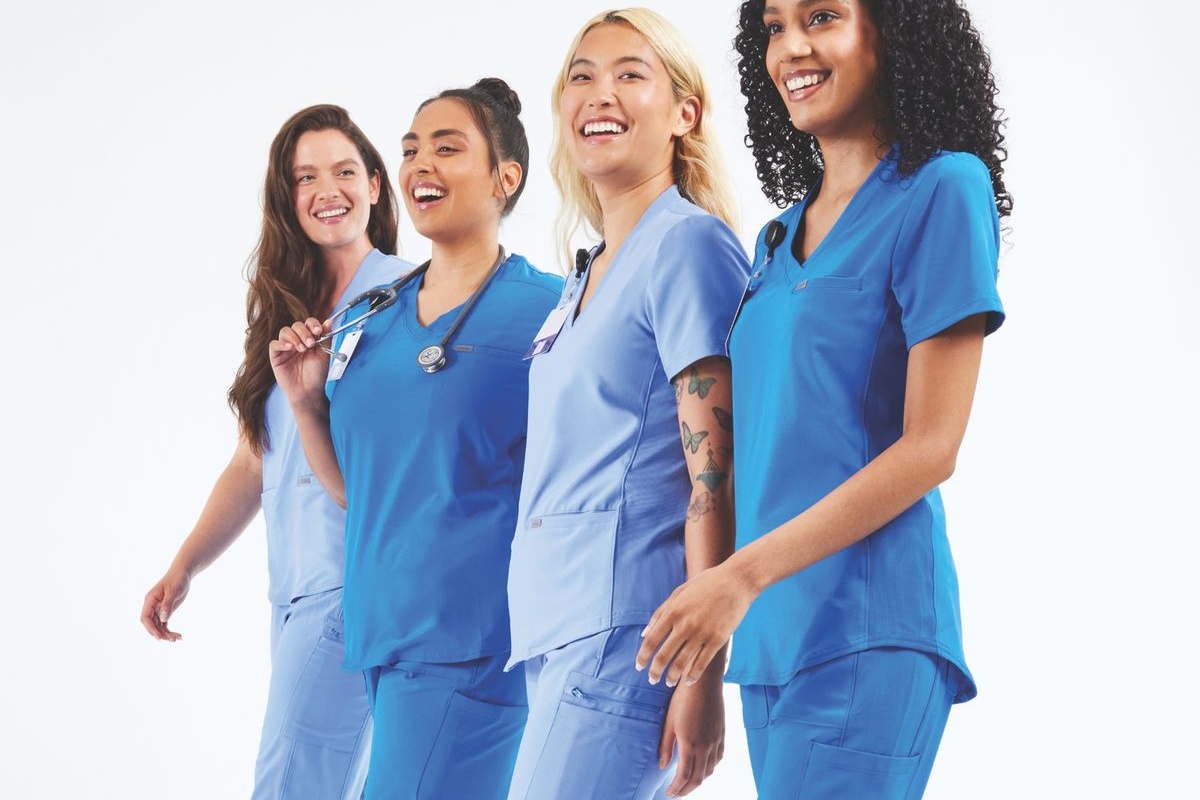
Selecting the right nursing uniform fabric involves understanding the various types available. Each fabric type offers unique benefits and drawbacks, impacting comfort, durability, and overall performance.
Cotton
Cotton remains a popular choice for nursing uniforms due to its natural properties. This fabric is known for its softness and breathability, making it ideal for long shifts.
- Moisture Absorption: Cotton can absorb 24-27 times its weight in moisture, outperforming most synthetic fabrics. This characteristic helps keep nurses dry and comfortable during busy shifts.
- Breathability: The hollow fiber structure of cotton allows for air circulation, preventing heat buildup. This feature is crucial in warm environments, where nurses often work.
However, cotton does have some durability concerns. While it provides comfort, it may not withstand frequent washing as well as synthetic options.
| Attribute | Evidence |
|---|---|
| Moisture Absorption | Cotton can absorb 24-27 times its weight in moisture, outperforming most synthetic fabrics. |
| Breathability | The hollow fiber structure of cotton allows for air circulation, preventing heat buildup. |
| Durability Concern | While they offer comfort, there are noted durability challenges in their maintenance. |
Polyester
Polyester is another common fabric used in nursing uniforms. It offers several advantages that make it suitable for the demanding healthcare environment.
- Enhanced Durability: Polyester is more durable than 100% cotton, resisting abrasion and tearing. This durability is essential for nurses who frequently encounter wear and tear.
- Shape and Wrinkle Resistance: Polyester helps maintain a neat appearance, resisting sagging and creasing. This quality is particularly beneficial for nurses who need to look professional throughout their shifts.
The table below summarizes the cost and advantages of various nursing uniform fabrics, including polyester:
| Fabric Type | Average Cost (per yard) | Key Advantages | Commercial Viability |
|---|---|---|---|
| Cotton-Polyester Blend | $3.50 – $5.00 | Durable, affordable, easy to clean, widely available | High – dominant in institutional markets |
| Bamboo Blend | $6.00 – $9.00 | Soft, breathable, eco-friendly, naturally antimicrobial | Moderate – growing niche demand |
| Modal Fabric | $7.50 – $11.00 | Ultra-soft, excellent drape, color retention | Low-Moderate – limited scalability |
| Performance Moisture-Wicking | $8.00 – $12.00 | Keeps wearers dry, resists odors, enhances comfort | High – ideal for active clinical roles |
Blends
Blended fabrics combine the best features of different materials, offering a balance of comfort and durability.
- 65/35 Poly-Cotton Blend: This blend is the most popular choice for nursing uniforms. It is durable, affordable, and handles high-temperature washes well.
- Premium Rayon-Spandex Blends: These fabrics are softer and stretchier, making them ideal for busy areas. Although more expensive, they enhance mobility.
Blended fabrics ensure breathability and flexibility, crucial for the demanding tasks nurses perform. The addition of spandex enhances elasticity, allowing garments to stretch and return to their original form.
Performance Fabrics
Performance fabrics represent the latest advancements in nursing uniform technology. These fabrics are designed to meet the specific needs of healthcare professionals.
- Antimicrobial Treatments: Many performance fabrics incorporate antimicrobial properties, which inhibit bacterial growth. This feature is crucial for infection control in clinical settings.
- Moisture-Wicking Properties: These fabrics draw sweat away from the body, keeping nurses dry and comfortable. This characteristic reduces the risk of bacterial proliferation, enhancing hygiene.
Recent innovations in textile technology have led to the development of smart textiles, which integrate performance features into nursing uniforms. These advancements improve the overall appeal and functionality of nursing uniform fabric.
Assessing Comfort and Durability in Nursing Uniform Fabric
Feel and Breathability
When evaluating nursing uniform fabric, feel and breathability are essential factors. Fabrics should allow air circulation to keep nurses cool during extended shifts. Various methods assess these properties in laboratory settings:
| Method | Description |
|---|---|
| Thermal Resistance (Rct) | Measures the resistance to heat flow generated by clothing and the air layer between fabric and skin. |
| Evaporative Resistance (Ret) | Assesses the breathability of fabric, indicating how well humid air can pass through it. |
| Subjective Assessments | Evaluates the feel of the fabric through human perception. |
| Air Permeability Tests | Tests the ability of air to flow through the fabric, contributing to breathability. |
Nurses often report that breathable fabrics enhance overall comfort, allowing them to concentrate on their work rather than their clothing. Soft scrubs alleviate discomfort, improving the work experience during demanding hours.
Resistance to Wear and Tear
Durability is crucial for nursing uniforms, as they undergo frequent washing and wear. Standardized tests measure resistance to wear and tear, ensuring fabrics can withstand the rigors of a clinical environment:
| Test Type | Minimum Requirement |
|---|---|
| Warp Breaking Strength | 300 Newtons |
| Weft Breaking Strength | 250 Newtons |
| Warp Tearing Strength | 15 Newtons |
| Weft Tearing Strength | 12 Newtons |
| Abrasion Resistance | 10,000 times |

Care and Maintenance
Proper care extends the life of nursing uniform fabric. Following care labels is essential, as each fabric has specific requirements. Recommended practices include:
- Read the Care Label: Follow specific washing and drying instructions to maintain garment integrity.
- Wash in Cold or Warm Water: Use cooler settings to prevent shrinkage and wear.
- Skip Harsh Detergents: Opt for mild, bleach-free products to protect fabric treatments.
- Air Dry When You Can: Avoid heat from dryers that can damage fabrics.
Neglecting these practices can lead to uniforms becoming misshapen, discolored, or uncomfortable after a few launderings.
Practical Considerations for Nursing Uniform Fabric
Fit and Style
The fit and style of nursing uniforms play a crucial role in comfort and mobility. Quality nursing uniforms feature breathable fabrics that promote air circulation. Tailored uniforms enhance ease of movement, allowing nurses to perform their duties without restrictions. Properly fitting scrubs enable freedom of movement, essential for bending, stretching, and walking. Ill-fitting scrubs can cause discomfort and distractions, negatively impacting performance.
- Scrubs that allow a full range of motion are vital for bending, reaching, and quick movements.
- A practical range-of-motion check ensures that scrubs do not restrict movement during clinical tasks.
Color and Design
Color and design choices significantly affect professional image and patient perceptions. A survey indicated that 90% of nurses believe their attire impacts their professional image. This suggests that uniform choices are crucial in shaping how they are perceived by patients.
| Color of Uniform | Perception | Notes |
|---|---|---|
| White | Professionalism, Trustworthiness | Majority preference among participants |
| Colored Scrubs | Warmth, Approachability | Linked to specialty differentiation |
Blue scrubs are widely used in healthcare settings due to their visual comfort and ability to hide stains. The calming nature of blue helps reduce eye strain, making it a practical choice for long shifts in bright environments.
Budget and Availability
Budget constraints often influence the selection of nursing uniform fabrics. Organizations must evaluate the cost of scrubs against their quality. Affordable options that meet essential performance criteria are typically prioritized. Investing in quality uniforms can enhance comfort and professionalism, despite budget limitations.
- Organizations often seek high-quality fabrics that balance cost and durability.
- Availability of nursing uniforms varies by region, with some suppliers focusing on high-quality products for specific markets.
| Supplier | Product Quality Focus | Certifications | Key Markets |
|---|---|---|---|
| Zhejiang Zhongda Novotex Co., Ltd. | High (OEM for Fortune 500) | GRS | Global |
| Hubei Haixin Protective Products Group Co., Ltd. | High (Medical focus) | CE, EN ISO 13485, MDR | North America, Europe |
By considering fit, style, color, and budget, nurses can select uniforms that enhance their comfort and professionalism in the workplace.
Choosing the right nursing uniform fabric is essential for comfort and durability. Nurses should consider factors such as breathability, stain resistance, and moisture-wicking properties when selecting their uniforms. These elements enhance comfort and maintain a professional appearance. By applying evidence-based criteria, nurses can make informed decisions that improve their overall work experience.
FAQ
What fabric is best for nursing uniforms?
Cotton-polyester blends offer durability and comfort, making them ideal for nursing uniforms.
How often should I replace my nursing uniform?
Nurses should replace uniforms every three months due to frequent washing and wear.
Can I machine wash my nursing uniforms?
Yes, but follow care labels to maintain fabric integrity and prevent damage.
Post time: Apr-14-2026