
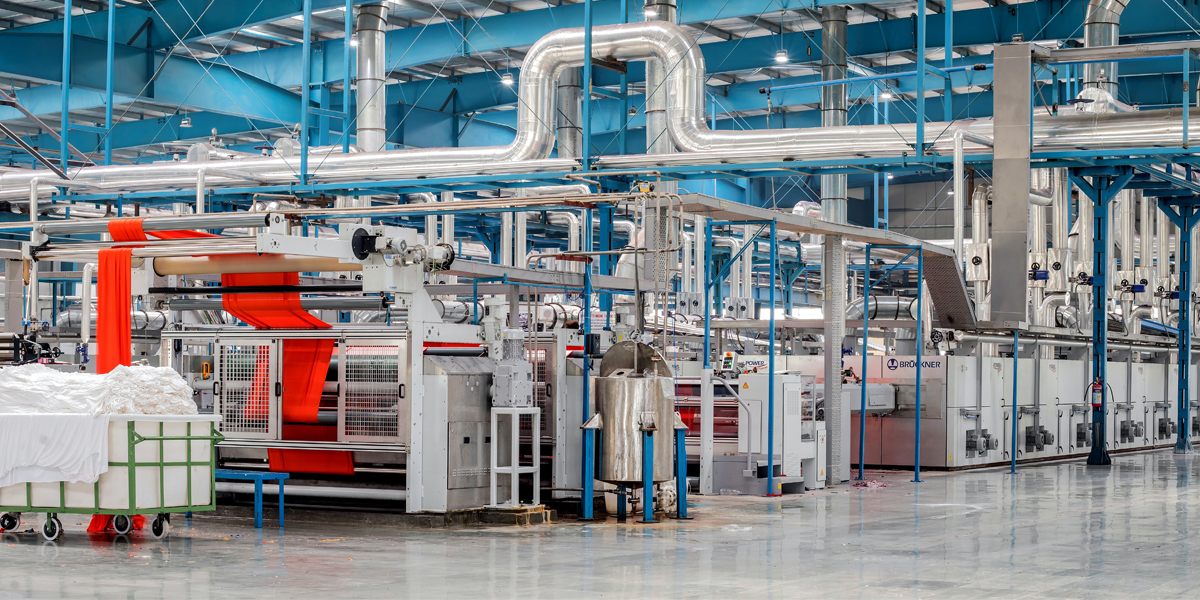
I see the trend of textile evolving as the fabric to garment trend transforms how I approach textile industry sourcing. Collaborating with a global garment supplier allows me to experience seamless fabric and garment integration. Wholesale fabric and garment options now provide quicker access to innovative products and dependable quality.
Key Takeaways
- Fabric-to-garment services simplify production by handling everything from fabric selection to finished clothing with one partner, saving time and improving quality control.
- This integrated model helps brands respond faster to market changes, offer custom designs, and meet growing consumer demands for sustainability and transparency.
- Using fabric-to-garment services reduces waste and carbon emissions by localizing production and recycling materials, making the supply chain more eco-friendly and efficient.
What Are Fabric-to-Garment Services?
Definition and Key Features
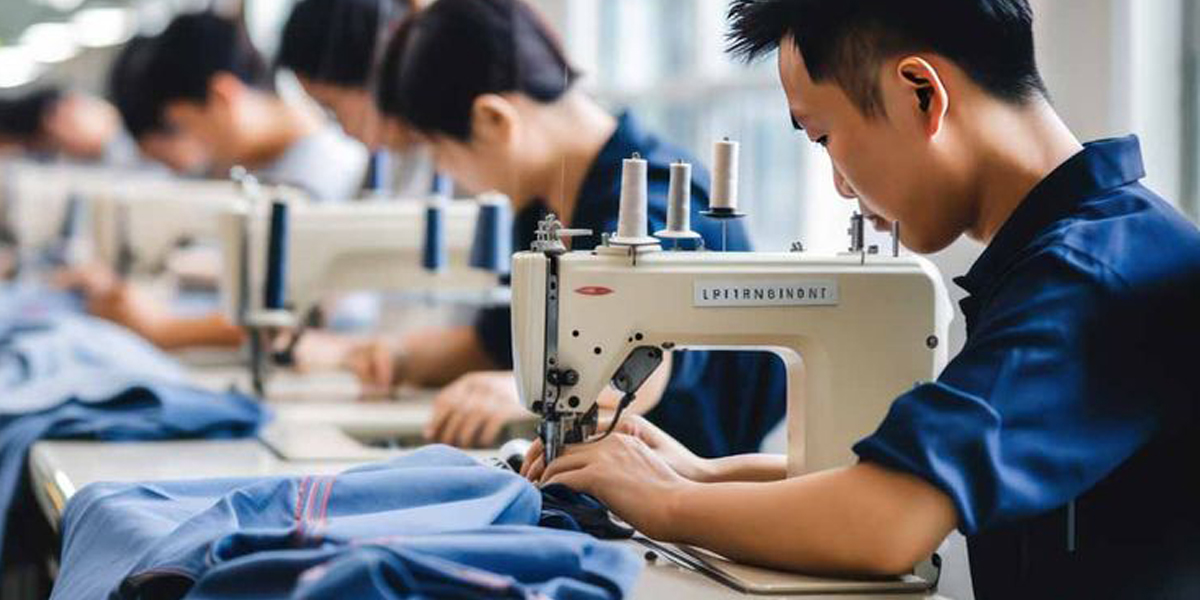
When I talk about fabric-to-garment services, I refer to a process where one provider manages every step from fabric selection to finished garment. This model covers fabric sourcing, design, cutting, sewing, finishing, and even packaging. I see this as a one-stop solution for brands that want to simplify their supply chain.
Some key features stand out to me:
- End-to-End Integration: I work with a single partner who handles everything, which reduces the need for multiple vendors.
- Quality Assurance: I can monitor quality at every stage, from fabric to final product.
- Speed and Flexibility: I notice faster turnaround times because the process happens under one roof.
- Customization: I can request unique designs, prints, or finishes without switching suppliers.
Tip: Choosing a fabric-to-garment service helps me maintain better control over my brand’s quality and timelines.
How the Model Differs from Traditional Sourcing
In my experience, traditional sourcing splits the process into separate steps. I might buy fabric from one supplier, send it to another for cutting, and then use a different factory for sewing. This approach often leads to delays, miscommunication, and quality issues.
Here’s a simple comparison table that I use to explain the difference:
| Aspect | Traditional Sourcing | Fabric-to-Garment Services |
|---|---|---|
| Number of Vendors | Multiple | Single |
| Quality Control | Fragmented | Integrated |
| Lead Time | Longer | Shorter |
| Customization | Limited | High |
| Communication | Complex | Streamlined |
I find that fabric-to-garment services give me more control and fewer headaches. I spend less time managing logistics and more time focusing on design and marketing. This model fits well with the fast pace of today’s fashion industry.
The Trend of Textile: Why Fabric-to-Garment Services Are Rising Globally
Demand for Integrated Solutions by Global Brands
I have watched the trend of textile shift as global brands look for more control over their supply chains. Many companies now want to manage every step, from fabric creation to finished garment. This vertical integration helps me keep quality high and costs low. When I work with integrated fabric-to-garment services, I can respond faster to market changes. I see brands like Inditex (Zara) lead the way by combining design, fabric sourcing, and manufacturing. This approach lets me capture value at each stage and stay flexible.
- I notice that brands want:
- Better quality management
- Faster supply timing
- Cost savings
- More flexibility to meet changing demands
The trend of textile now favors suppliers who act as true partners. I expect them to share business risks and help me manage demand swings. Sustainability also drives my choices. I need suppliers who meet strict regulations and offer eco-friendly products without raising costs. Digital tools, like product development software and blockchain, help me track every step and improve teamwork. I see that integrated solutions make my business more agile and ready for the future.
Influence of Technology and Automation
Technology has changed the trend of textile in ways I never imagined. Automation now handles many tasks that once needed skilled hands. I use robots for spinning, weaving, cutting, and sewing. These machines work faster and make fewer mistakes than people. Automated quality checks catch defects early, so I deliver better products. I also use AI to study what customers want and to plan production. This helps me cut waste and save money.
- Some key technologies I rely on include:
- 3D printing for custom, eco-friendly garments
- Smart textiles with sensors for health and comfort
- Blockchain for tracking each garment’s journey
- Robotics for faster, safer manufacturing
Automation lets me scale up production without losing quality. I can monitor machines in real time and fix problems before they grow. This makes my supply chain stronger and more sustainable. I see the trend of textile moving toward even more digital and automated systems, which helps me stay ahead in a fast-changing market.
Note: Automation brings many benefits, but I must invest in new equipment and train my team to use it well.
Changing Consumer Expectations
Consumers now shape the trend of textile more than ever. I see shoppers ask for products that last longer, use less water, and come from ethical sources. Many people, including myself, want to know where and how clothes are made. I find that 58% of shoppers try to keep their clothes longer for the environment. More than half support repair services to extend garment life. Some even accept slower shipping if it means less pollution.
Personalization is also important. I use direct-to-garment printing to offer custom designs. Customers love having unique pieces that fit their style. Social media spreads these trends quickly, so I must adapt fast or risk losing business. I notice that the slow fashion movement is growing. People want fewer, better items instead of fast, disposable fashion.
- Today’s consumers expect:
- Sustainable materials and processes
- Transparency about product origins
- Customization and unique designs
- Durability and comfort
The trend of textile now centers on meeting these high expectations. I must innovate and use new materials, like recycled fibers and smart fabrics, to keep up. By adopting fabric-to-garment services, I can offer the quality, speed, and sustainability that modern shoppers demand.
Benefits of Fabric-to-Garment Services
Improved Efficiency and Speed to Market
I see a big boost in efficiency when I use fabric-to-garment services. These services let me manage every step, from fabric selection to finished product, under one roof. I rely on tools like General Sewing Data (GSD) to set standard times for sewing tasks. This helps me spot and remove slow steps in production. I also use training programs to make sure my team works at top speed. With these methods, I can:
- Cut down on wasted time and effort
- Lower my labor costs
- Get my products to market faster
Industry groups like Coats Digital and the International Labour Organisation support these practices, which gives me confidence in their value.
Enhanced Quality Control
I keep a close eye on quality at every stage. By working with one partner, I can check fabric, stitching, and finishing all in one place. This reduces mistakes and makes it easier to fix problems right away. I find that integrated quality checks help me deliver better products to my customers.
Sustainability and Waste Reduction
Sustainability matters to me and my customers. I choose fabric-to-garment services that use recycled materials and reduce waste. For example, I know that fast fashion causes almost 10% of global greenhouse gas emissions. By using circular practices, like recycling fabric and choosing eco-friendly materials, I help cut water use and lower emissions. Here is a table that shows some impacts:
| Measurable Impact | Description | Quantitative Data |
|---|---|---|
| Pre-consumer textile waste reduction | Less waste during design and production | 6.3 million tons avoided yearly (Ellen MacArthur Foundation) |
| CO2 emissions reduction | Saving fabric from landfill reduces carbon output | 10 lbs saved = 1 tree planted (Journal of Textile Science) |
Customization and Flexibility
I love offering my customers more choices. Fabric-to-garment services let me use new tech like CAD software and 3D printing. I can create custom designs, offer different sizes, and even let customers pick where to put logos or patches. I also use virtual try-on tools so shoppers can see how clothes look before buying. This flexibility helps me match demand, avoid extra inventory, and keep my brand unique.
Key Industries and Markets Adopting the Model
Fashion and Apparel Brands
I see major fashion brands leading the way in adopting fabric-to-garment services. These companies want to control every part of their supply chain. I work with brands that value speed, quality, and flexibility. They use this model to launch new collections quickly and respond to trends. I notice that luxury labels and fast fashion retailers both benefit from integrated production. They can offer unique designs and maintain high standards. Many brands also use these services to improve sustainability and traceability.
Fashion brands rely on fabric-to-garment services to stay competitive and meet customer expectations for quality and innovation.
Sportswear and Performance Textiles
I observe sportswear companies using fabric-to-garment services to create advanced products. These brands need technical fabrics that offer comfort, durability, and performance. I help them develop garments with moisture-wicking, stretch, and breathability features. The integrated model allows me to test and refine materials quickly. Sportswear brands often require custom fits and branding, which fabric-to-garment services deliver efficiently. I see this approach helping companies launch new lines for athletes and active consumers.
E-commerce and Custom Apparel Startups
I notice e-commerce platforms and startups driving rapid growth in fabric-to-garment services. Online shopping makes it easy for customers to personalize clothing from home. I use digital tools like AI and virtual fitting rooms to help shoppers design unique garments. Startups benefit from private label manufacturing, which lets them create branded lines at lower costs. I choose sustainable materials and ethical production methods to meet consumer demand for eco-friendly fashion. These companies expand market reach and foster innovation by offering custom apparel that reflects individual style. I see younger shoppers embracing these options, pushing the industry toward more personalized and responsible production.
Challenges and Limitations
Supply Chain Complexity
When I manage fabric-to-garment services, I face many supply chain challenges. The global nature of sourcing brings longer lead times and higher logistics costs. I often deal with communication barriers between suppliers in different countries. Seasonal demand changes force me to plan production and delivery with precision. I must also address sustainability and ethical practices, which customers and regulators expect. Sometimes, I struggle with a lack of supply chain visibility, making it hard to spot inefficiencies. My relationships with suppliers can be risky, especially when disruptions occur. I also need to keep up with new technologies like RFID and blockchain, which add another layer of complexity.
- Global sourcing and logistics challenges
- Seasonal demand fluctuations
- Sustainability and ethical practice pressures
- Limited supply chain visibility
- Supplier relationship risks
- High minimum order quantities
- Communication barriers with global partners
- Rising logistics and transportation costs
Investment and Infrastructure Requirements
I know that fabric-to-garment integration requires significant investment. I must upgrade my factories with advanced machinery and digital systems. Training my team to use new technology takes time and resources. I also need to invest in eco-friendly processes to meet sustainability goals. These upgrades can strain my budget, especially for smaller businesses. High minimum order quantities and the need for certifications add to my costs. I must plan carefully to balance investment with expected returns.
Managing Quality Across Integrated Processes
Maintaining quality across every stage is a major challenge for me. I use a structured approach to ensure high standards:
- I develop a quality assurance framework with clear procedures and standards.
- I strengthen quality control by inspecting materials and products at each step.
- I partner with specialized companies for third-party inspections.
- I leverage technology, such as AI and cloud-based dashboards, to monitor production.
I follow a phased quality control process, from raw material inspection to final product audit. The table below shows key activities at each stage:
| Stage of Production | Quality Control Activities |
|---|---|
| Raw Material Inspection | Check fiber and fabric quality |
| Fabric Testing | Test for shrinkage and colorfastness |
| Cutting Accuracy | Ensure precise pattern cutting |
| Stitching and Seam Check | Inspect for loose threads and weak seams |
| Dyeing and Printing | Confirm uniform color and print alignment |
| Fitting and Sizing | Verify sizing and fit |
| Packaging and Labeling | Ensure proper labeling and packaging |
| Final Product Audit | Perform random sampling to detect defects |
I rely on digital quality management systems to automate inspections and track compliance, which helps me deliver consistent, high-quality garments.
Impact on Sustainability and Supply Chain Transparency
Reducing Environmental Footprint
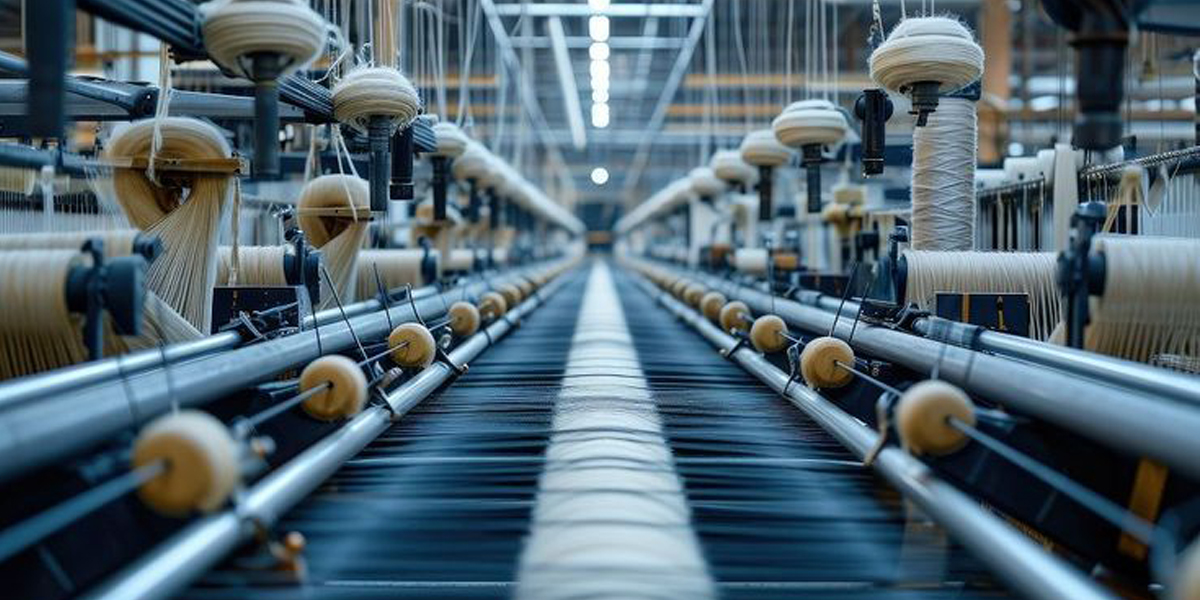
I see a clear shift in the textile industry as I adopt fabric-to-garment services. These services help me lower the environmental impact of my production. By keeping most steps close together, I cut down on long-distance shipping. This change reduces carbon emissions from transportation. I also notice that when I use local or nearby production, I can respond faster and waste less material.
Empirical studies in China show that when I shorten my supply chain and use recycled materials, I can reduce my carbon footprint by up to 62.40%. I choose organic cotton and switch to cleaner energy sources to make my process even greener. Recycling plays a big role in this improvement. When I recycle fabric, I use fewer resources and create less waste. These steps help me meet strict environmental standards and show my customers that I care about the planet.
Post time: Aug-28-2025