
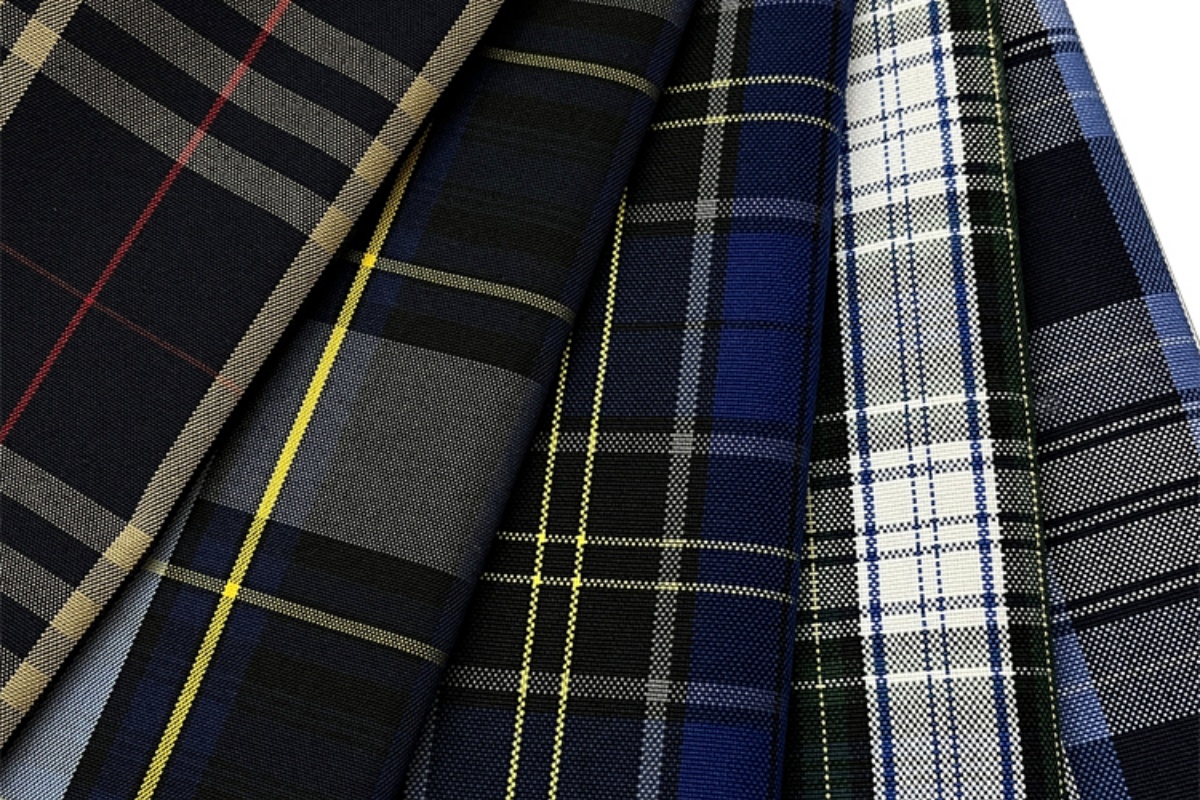
Define School Uniform Fabric Requirements
Selecting the right textiles is a critical decision in developing a successful school apparel program for educational institutions, parents’ associations, and garment manufacturers. Strict budgetary constraints must balance with the rigorous daily wear active students subject their garments to. A well-chosen textile enhances the institution’s brand identity, fosters a sense of equality, and provides lasting comfort that aids student focus. Navigating the vast textile market requires a clear understanding of end-user needs—including student health, local climate, and environmental sustainability—before reviewing swatches.
Uniform Functions and Climate Needs
The primary function of a school uniform is to provide a comfortable, standardized, and distraction-free learning environment across various seasons. Local climate heavily dictates the ideal fabric weight, measured in grams per square meter (GSM). For tropical environments or summer terms, lightweight shirting materials ranging from 110 to 150 GSM ensure proper breathability and moisture management, essential for student comfort and preventing skin irritation. Conversely, for temperate climates or winter wear, heavier textiles spanning 240 to 260 GSM are necessary. These heavier weights provide adequate thermal insulation and the structural drape required for formal skirts, trousers, and blazers.
Common Fabric Options
Evaluating the base material composition is the next crucial step. While pure cotton offers excellent breathability and is gentle on sensitive skin, it often lacks the structural wrinkle resistance required for a neat daily appearance without intensive ironing, and its production requires high water usage. Therefore, high-performance synthetic and blended materials are frequently specified. For instance, a robust 100% polyester yarn-dyed fabric is highly favored for skirts and pinafores due to its exceptional color retention, high tear strength, and permanent pleat-holding capabilities. Buyers should, however, weigh this against the environmental trade-offs of synthetic microfiber shedding. When outfitting students for colder environments or designing premium blazer programs, a poly-wool blend, combining 50% wool with 50% polyester, is a common choice. This blend combines the luxurious thermal regulation of natural animal fibers with the resilient durability and cost-effectiveness of modern synthetics.
Compare Key Fabric Performance Factors
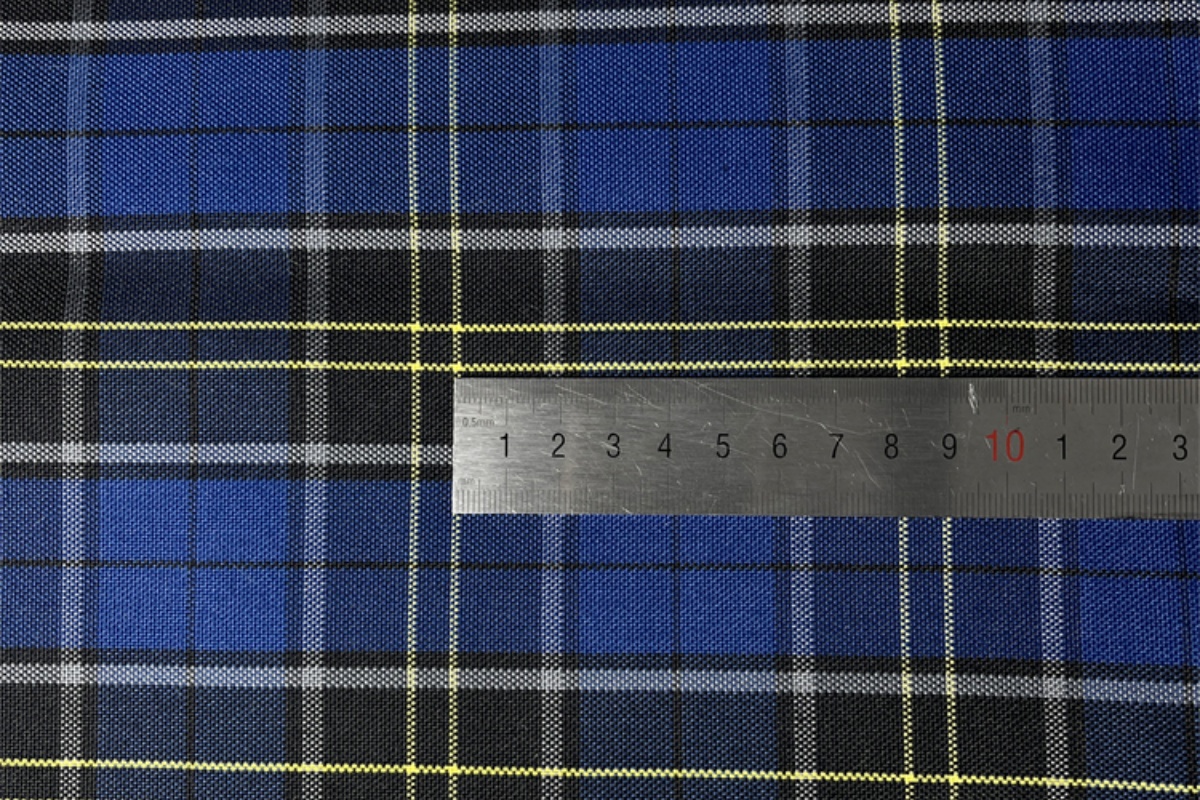
Beyond the initial tactile feel and visual appeal on a hanger, it is essential to evaluate how these textiles will perform over an entire academic year of heavy use. Purchasing managers often face pressure to minimize upfront costs, but focusing on total lifecycle value yields better long-term results. Assessments should rely on standardized industry metrics and rigorous laboratory testing rather than subjective observations, ensuring every yard of material meets the demanding, high-energy lifestyle of a student.
Durability, Comfort, and Care
Durability in school apparel is non-negotiable. Fabric abrasion resistance is commonly measured using the standardized Martindale test (ISO 12947); acceptable woven uniform fabrics typically withstand a minimum of 20,000 to 25,000 rubs before showing significant yarn breakage or wear. Pilling—the unsightly formation of small fuzz balls on the garment’s surface caused by friction—is another common issue that leads to parental complaints. Industry standards (such as ISO 12945-2) often recommend a minimum pilling resistance rating of Grade 3.5 to 4.0 on the standard 5-point scale. Furthermore, because these garments undergo frequent, intensive home laundering, colorfastness to washing and light must achieve a solid Grade 4 rating to prevent institutional colors from fading or bleeding after just a few months of wear.
Compliance, Testing, and Shrinkage Control
Regulatory compliance and dimensional stability form the critical backbone of quality assurance protocols. It is vital to ensure all textiles strictly comply with global restricted substance lists, such as Oeko-Tex Standard 100 (Class II for direct skin contact). This certification guarantees the absence of harmful chemicals like azo dyes and ensures formaldehyde levels are safely capped below the standard limit of 75 parts per million, crucial for preventing allergic reactions and skin sensitivities in students. Shrinkage control is equally critical to the garment’s lifespan. If a uniform shrinks excessively, it quickly becomes unwearable long before the fabric wears out. Woven uniform fabrics should exhibit a dimensional stability variance of no more than +/- 3% after three standard wash cycles at 40 degrees Celsius, ensuring the fit remains consistent throughout the school year.
Choose the Right Fabric for Your Program
Bringing a uniform program from a preliminary concept to a finished reality requires a methodical selection and procurement process. Schools and procurement partners are strongly advised to avoid rushing into bulk production without first validating their textile choices. Implementing a structured sampling phase and comparative analytical review prevents costly manufacturing errors and ensures stakeholder alignment before capital is committed.
Sampling and Lab Testing Steps
The procurement cycle begins with requesting laboratory dips to verify exact Pantone color matches against the school’s branding guidelines, a technical process that typically requires 10 to 15 days. Once the precise color formulation is approved, ordering a sample yardage run—usually around 5 to 15 meters—allows for the construction of physical prototype garments. These prototypes should undergo real-world wear testing by students alongside independent laboratory evaluations. When planning the final commercial rollout, procurement teams must also account for rigid production minimums and seasonal timelines. For custom-dyed or specialty woven plaid patterns, a Minimum Order Quantity (MOQ) of 2,000 meters per colorway is standard. Furthermore, bulk production lead times can extend from 30 to 45 days depending on the textile mill’s seasonal capacity, necessitating early planning for back-to-school delivery windows.
Fabric Decision Matrix
To synthesize these complex variables, a standardized comparative matrix is highly effective. This framework allows decision-makers to objectively weigh functional performance benefits against unit costs, ensuring the final selection aligns perfectly with the school’s operational, environmental, and financial parameters. For example, a budget-constrained tropical primary school might prioritize lightweight poly-cotton for cost and breathability, while a premium temperate academy might invest in heavier poly-wool blends for formal drape and warmth.
Below is an example of the baseline metrics used to evaluate standard fabric options during the final decision phase:
| Fabric Type | Typical Weight (GSM) | Abrasion (Martindale Rubs) | Shrinkage Tolerance | Estimated Cost Tier |
|---|
Key Takeaways
- Match fabric GSM to climate by choosing 110 to 150 GSM shirting for hot seasons and 240 to 260 GSM textiles for structured winter garments.
- Use 100% polyester yarn-dyed fabrics when color retention, tear strength, easy care, and permanent pleat holding are top priorities.
- Consider 50% wool and 50% polyester blends for blazers or colder climates because they balance warmth, durability, and cost efficiency.
- Assess lifecycle value rather than only upfront price, since durable fabrics can reduce replacements and parent complaints over the school year.
- Specify measurable performance standards, including at least 20,000 to 25,000 Martindale rubs and a pilling rating of Grade 3.5 to 4.
Frequently Asked Questions
What GSM is best for summer school uniforms?
For hot or tropical climates, lightweight shirting fabrics around 110 to 150 GSM are usually best because they improve breathability, moisture management, and day-long comfort.
What fabric weight should be used for winter uniforms?
For cooler seasons, trousers, skirts, and blazers often need heavier fabrics around 240 to 260 GSM to provide warmth, structure, and a more formal drape.
Is cotton a good choice for school uniforms?
Cotton is breathable and soft on sensitive skin, but it wrinkles easily and may require more ironing. It also has a higher water footprint than many synthetic or blended options.
Why is polyester commonly used in school uniform fabrics?
Polyester is valued for durability, color retention, tear strength, easy care, and pleat holding, making it practical for skirts, pinafores, trousers, and daily-wear uniforms.
When should schools choose a wool-polyester blend?
A 50% wool and 50% polyester blend is suitable for premium blazers or colder climates because it combines wool’s warmth and thermal regulation with polyester’s resilience and cost efficiency.

Yunai Textile
Post time: Jun-25-2026